Rwanda is one of the most rewarding safari destinations in Africa, particularly for first-time travellers who want a safe, well-organised experience with a strong chance of seeing mountain gorillas. It is also one of the more expensive options, so understanding where your money goes is essential when planning.
A Rwanda safari typically includes four main cost areas:
Each of these can vary significantly depending on your budget and travel style.
Gorilla trekking is the main reason most people visit Rwanda. Permits are strictly limited to protect the gorillas and their habitat.
These permits are issued by the Rwanda Development Board and must be booked in advance, often months ahead in peak seasons.
The cost may seem high, but it funds conservation efforts, anti-poaching patrols, and local community initiatives. Rwanda positions this as a premium, low-impact tourism model.
Accommodation is the second largest cost driver and ranges from budget lodges to ultra-luxury eco-retreats.
Prices are typically per person per night and may include meals and some activities.
Rwanda is compact, which helps reduce travel time, but you will still need organised transport.
Most itineraries start in Kigali, with a 2.5-hour drive to Volcanoes National Park.
Rather than fixed templates, most Rwanda safaris are built around a few core trip types. Looking at how operators like Baheka Travel structure their tours, you can see clear patterns in how itineraries are designed and priced.
These are the most common entry point for first-time travellers. The experience is centred around Volcanoes National Park, with gorilla trekking as the main event and minimal additional travel.
A typical structure includes arrival in Kigali, a transfer to Volcanoes National Park, a single gorilla trek, and then departure. Some variations include an added golden monkey trek or a short cultural visit. These trips are short, efficient, and designed to maximise the chance of seeing gorillas with minimal logistics.
Because the itinerary is tight, the overall cost is heavily weighted toward the $1,500 permit, making these trips feel expensive for their duration.
A step up from the core gorilla experience, these itineraries add depth by including Nyungwe Forest National Park or additional primate tracking.
Baheka-style itineraries highlight activities such as chimpanzee tracking, canopy walks, and forest hikes alongside gorilla trekking.
These trips typically run for 5 to 7 days and appeal to travellers who want more than a single flagship experience. The added transport, accommodation nights, and permits increase the overall cost, but also make the trip feel more rounded.
Rwanda is not only about primates. Akagera National Park introduces a more traditional safari element, including game drives and boat safaris where you can see lions, elephants, giraffes, and hippos.
These itineraries usually combine gorilla trekking with 2 to 3 days in Akagera. The structure often starts with wildlife viewing before moving into the forest regions, or vice versa. This creates a more complete East African safari experience, but also adds transport time and park fees.
Some of the longer Baheka itineraries combine Rwanda with Uganda or other East African destinations, extending trips to 10 days or more.
These trips are designed for travellers who want to maximise their time in the region, combining gorilla trekking with broader wildlife experiences such as savannah safaris, lake regions, and cultural visits. While the per-day cost can decrease slightly, the total trip cost increases significantly due to duration.
Many travellers compare Rwanda with Uganda, particularly for gorilla trekking. Rwanda is consistently more expensive for several key reasons.
This single factor often doubles the overall trip cost difference.
Rwanda has deliberately positioned itself as a high-end destination. The government focuses on low visitor numbers with higher spending per traveller, which helps protect natural resources and wildlife.
Rwanda offers:
In Uganda, reaching gorilla trekking areas can take 8–10 hours by road or require domestic flights.
Rwanda has a higher concentration of luxury lodges, often operated by international hospitality brands. Even mid-range options tend to be more expensive than their Ugandan equivalents.
Rwanda is widely regarded as one of the safest and cleanest countries in Africa. This perception increases demand, particularly among first-time safari travellers, which in turn supports higher pricing.
Rwanda is not the cheapest way to experience a safari, but it is one of the most straightforward and polished. For first-time travellers, the combination of safety, accessibility, and a high likelihood of seeing gorillas makes it a compelling option.
If budget is a concern, Uganda offers a more affordable alternative. If you prioritise ease, comfort, and a premium experience, Rwanda justifies its higher price point.
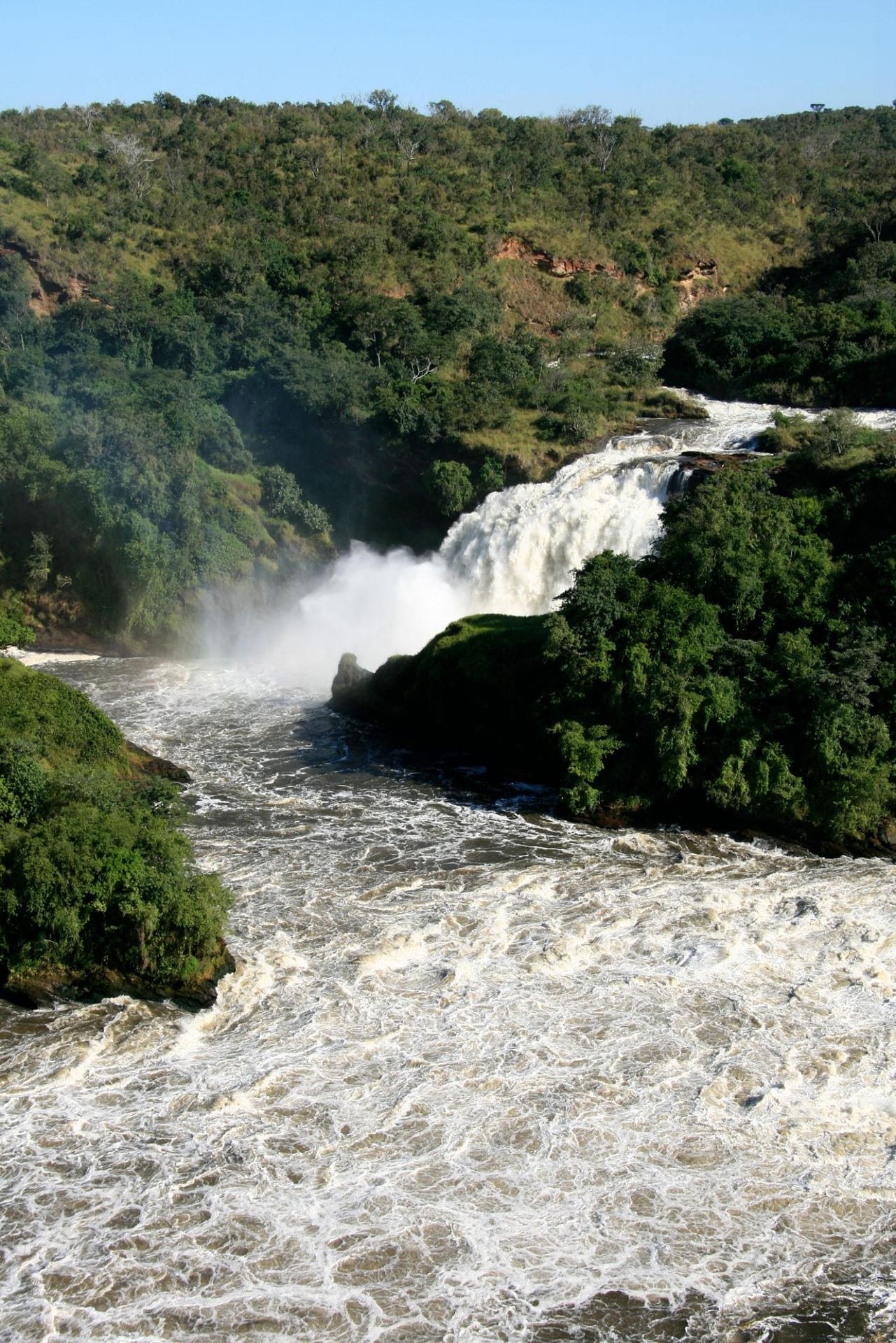
Murchison falls National Park in Uganda
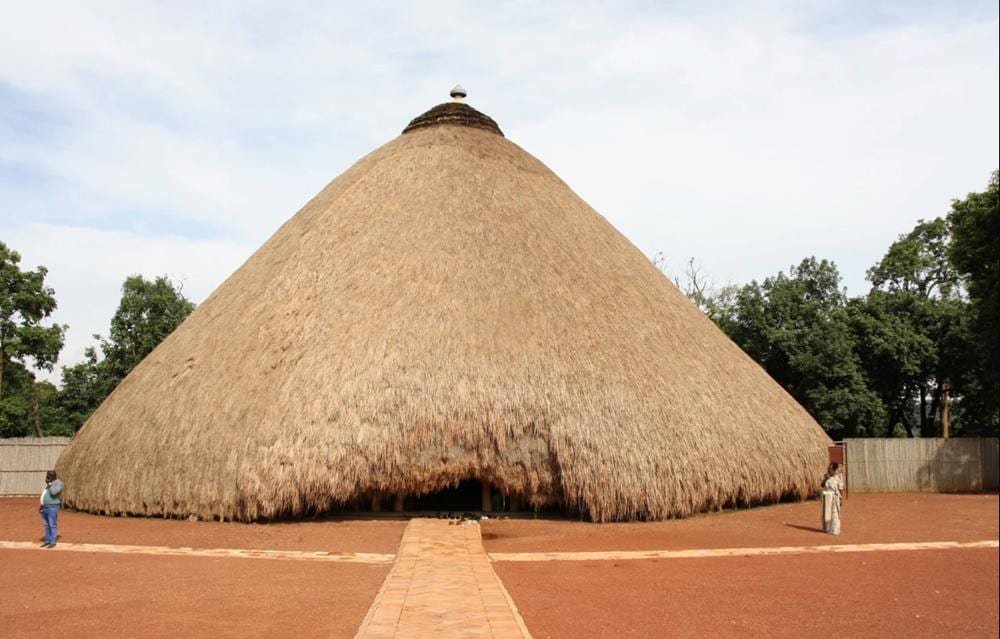
Historical Landmarks to Visit in Kampala: A Local’s Walking Guide
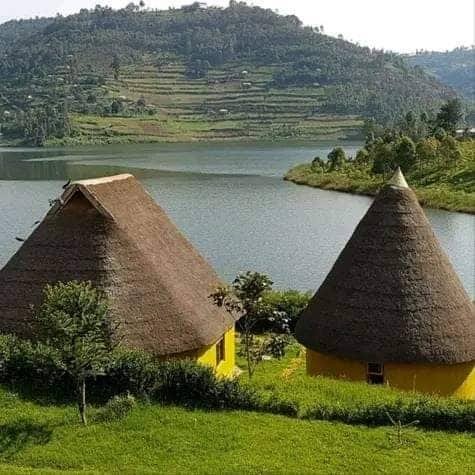
Homestay Accommodations for Cultural Immersion: What Actually Happens When You Move In
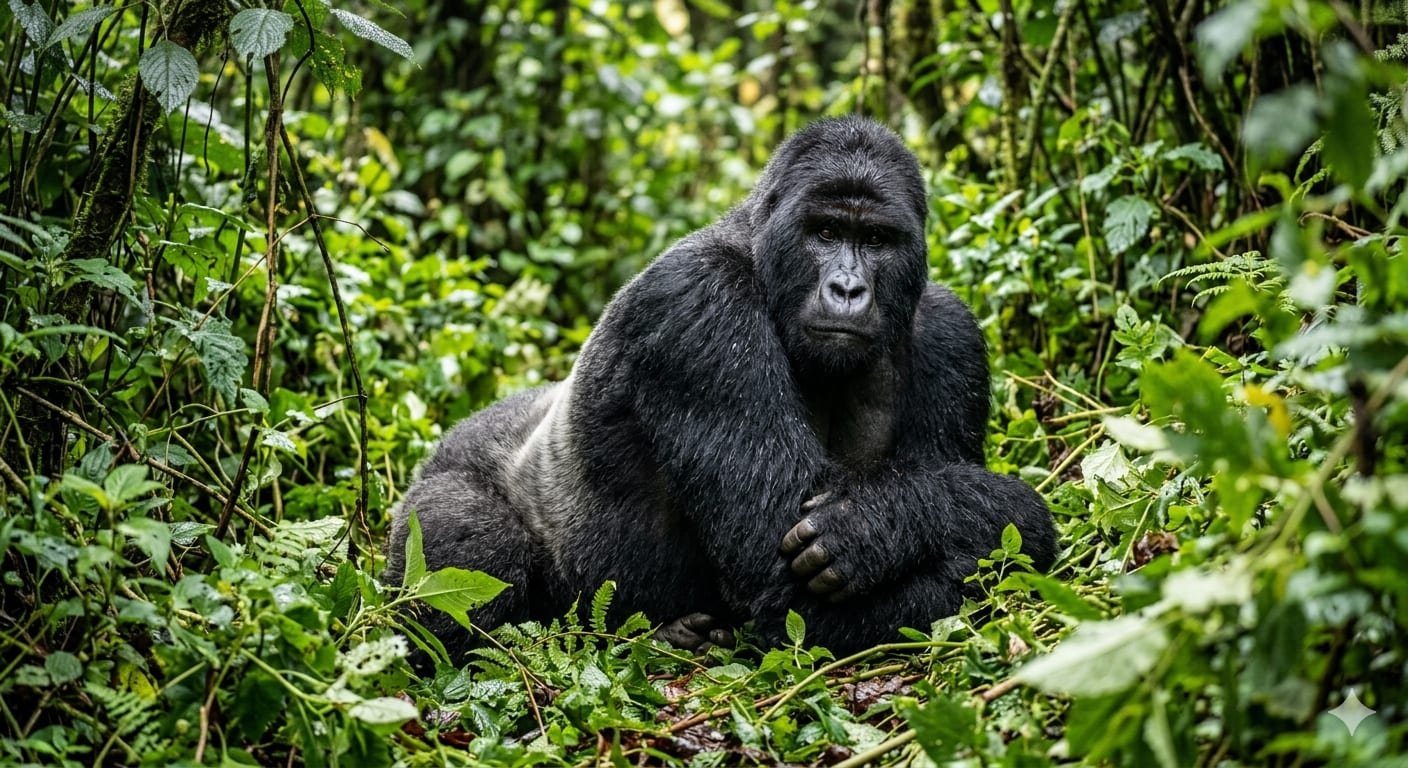
Gorilla trekking tours with Baheka Travel in Uganda, community-owned and guide-led
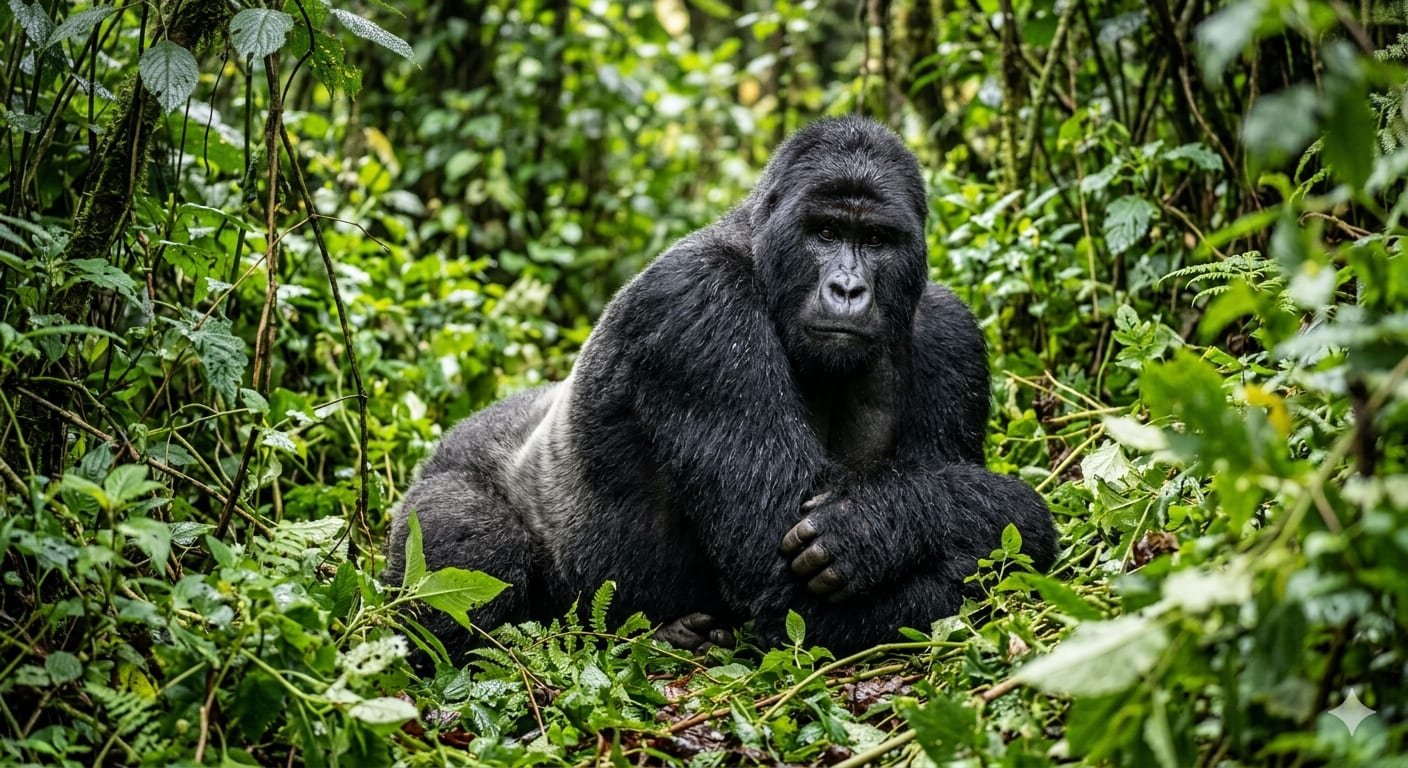
Sustainable Safari Experiences in Uganda: What Responsible Travel Looks Like Here
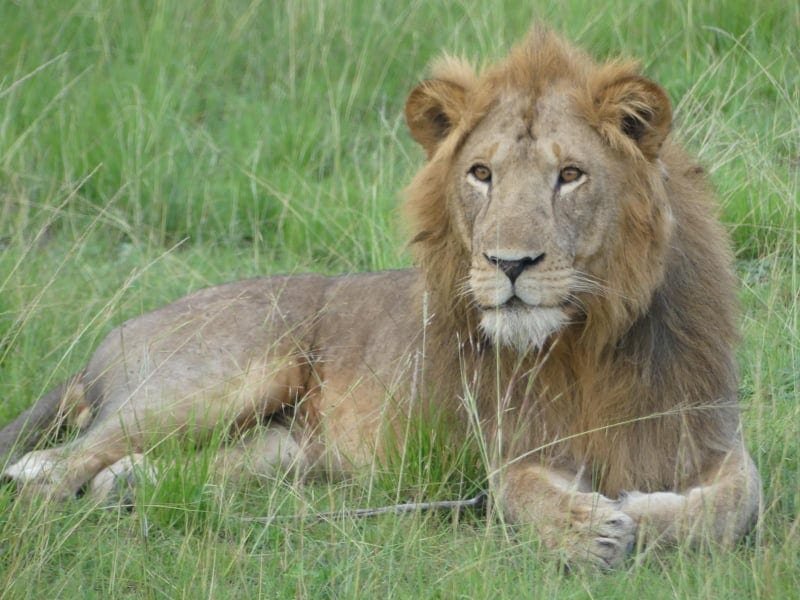
Mweya After Queen Elizabeth: What to Do Next on Your Uganda Safari