Gorilla trekking is one of the most sought-after wildlife experiences in the world. It is also one of the most tightly controlled, which means permits are limited and prices are fixed by national authorities. For first-time travellers, understanding what you are paying for, and why prices vary between countries, is essential when planning a trip.
This guide breaks down permit costs in Uganda and Rwanda, what is included, and how to decide which option is right for you based on budget and experience.
The cost of a gorilla trekking permit depends on the country you visit. These permits are issued by government wildlife authorities and are required for every person who wants to trek.
In Uganda, a standard gorilla trekking permit costs:
Permits are issued by the Uganda Wildlife Authority and apply to treks in Bwindi Impenetrable National Park and Mgahinga Gorilla National Park.
In Rwanda, a standard gorilla trekking permit costs:
Permits are issued by the Rwanda Development Board and apply to treks in Volcanoes National Park.
While the price can seem high, the permit covers far more than just entry into the forest.
A typical gorilla trekking permit includes:
The one-hour viewing limit is strictly enforced to minimise stress on the gorillas and reduce the risk of disease transmission.
The price difference between Uganda and Rwanda is significant, and it often shapes the decision for travellers. However, the higher cost in Rwanda is not arbitrary.
Rwanda has positioned itself as a premium safari destination. The higher permit cost is part of a deliberate strategy to attract higher-spending travellers while limiting visitor numbers.
Uganda, by contrast, offers a more accessible price point to attract a broader range of travellers.
Volcanoes National Park in Rwanda is around a 2–3 hour drive from Kigali International Airport. This makes it possible to do gorilla trekking in a short itinerary.
Bwindi Impenetrable National Park in Uganda typically requires a longer journey, often involving a domestic flight or a full day’s drive from Entebbe or Kampala.
The easier access in Rwanda reduces travel time and increases convenience, which is reflected in the higher permit cost.
Rwanda’s trekking terrain is generally more open, with bamboo forests and less dense vegetation in some areas. This can make sightings slightly more predictable and the trek less physically demanding in certain sectors.
Uganda’s Bwindi forest is denser and more rugged. Treks can be longer and more physically demanding, but many travellers value this as a more adventurous and immersive experience.
Rwanda has a strong focus on high-end lodges and luxury experiences, which aligns with its higher permit pricing.
Uganda offers a wider range of accommodation options, from budget to luxury, making it more flexible for different types of travellers.
The right choice comes down to what you value most in your trip.
Both Uganda and Rwanda offer exceptional gorilla trekking experiences, and the core encounter with the gorillas is equally powerful in both destinations.
The difference in permit cost reflects broader differences in positioning, accessibility, and travel style rather than the quality of the wildlife experience itself.
If budget is a key factor, Uganda provides outstanding value. If convenience and a more premium experience are priorities, Rwanda justifies its higher price.
Whichever you choose, booking permits well in advance is essential, as availability is limited and demand remains high throughout the year.
Budget vs Mid-Range vs Luxury Safaris in Uganda: How to Choose the Right Experience
Gorilla Trekking Permit Costs: Uganda vs Rwanda
Rwanda Safari Cost Breakdown for First-Time Travellers
How much does a Uganda safari cost in 2026?
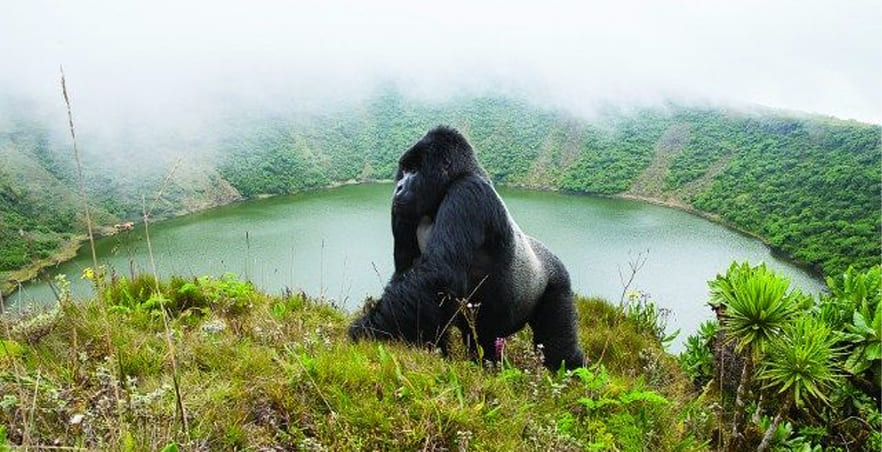
The Mist With Unforgettable Rwanda Gorilla Trekking Tours
Awaken Your Inner Explorer With The Best Adventure Trips Uganda