A Uganda safari is one of those trips where pricing can feel unclear at first.
You will see packages ranging from just over $1,000 to well beyond $5,000, and it is not always obvious what you are actually paying for or what is included.
For first-time travellers, the key is understanding that a safari is not a single product. It is a combination of permits, accommodation, transport, guiding, and extras. Once you break those components down, the pricing becomes much easier to navigate and, importantly, easier to control.
The short answer is that a typical 3 to 5 day Uganda safari including gorilla trekking will cost between $1,100 and $1,500 on a budget, $1,500 to $3,000 for a mid-range experience, and $3,000 to $5,000 or more for a luxury trip.
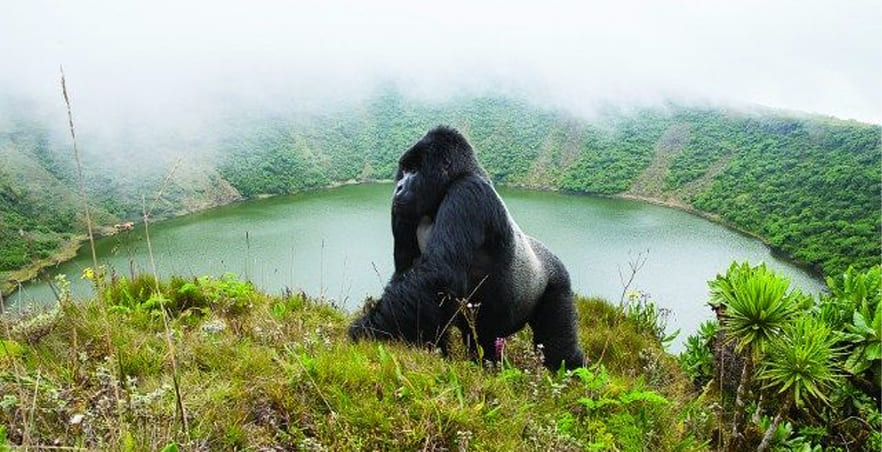
The biggest fixed cost across all of these tiers is the gorilla trekking permit, which is currently priced at $800 per person for foreign non-residents.
This is a non-negotiable fee set by the Uganda Wildlife Authority, and it grants you one guided trek and one hour with a habituated gorilla family in the wild. It also includes park entry and ranger support, but it does not cover accommodation, transport, food, or tips, which is where many first-time travellers misunderstand the total cost.
The gorilla permit is the foundation of your safari cost and the main reason Uganda sits at a higher price point than many other destinations. At $800 per person, it represents a significant portion of your overall budget.
What is important to understand is that this permit covers only the trekking experience itself. Everything else, including where you stay, how you get there, and what you eat, sits outside of that cost. This is why safari prices can vary so widely even though the core experience remains the same.
At the budget level, typically between $1,100 and $1,500 per person, you can expect a functional but stripped-back experience. This usually includes basic guesthouse or budget lodge accommodation, shared transport with other travellers, and a fixed itinerary with limited flexibility.
The gorilla permit will account for the majority of the cost at $800, with the remaining budget covering two to three nights of accommodation, shared vehicle transport, and simple meals. This option works well if you are comfortable with long travel days, often eight to ten hours by road, and do not mind more basic facilities. Importantly, the core gorilla trekking experience is the same regardless of budget, so you are not compromising on the main reason for visiting Uganda.
Mid-range safaris, which typically fall between $1,500 and $3,000 per person, offer a much more balanced experience and are where most travellers choose to sit. At this level, you can expect comfortable lodges with good amenities, better food, and either private or small group transport.
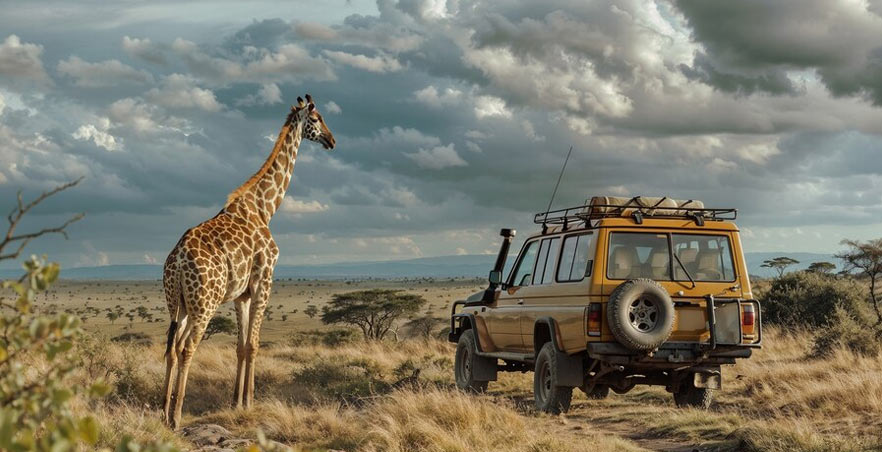
The cost still includes the $800 permit, but accommodation is upgraded to the $150 to $350 per night range, and transport is often provided via a private driver-guide, which significantly improves the overall experience. This tier also allows for more flexibility in your itinerary, including optional activities such as chimpanzee trekking, game drives, or boat safaris. For first-time visitors, this is usually the most practical option because it reduces travel fatigue and improves comfort without pushing costs into luxury territory.
Luxury safaris, starting at around $3,000 and often exceeding $5,000 per person, focus on convenience, comfort, and time efficiency. The gorilla permit remains the same fixed cost, but everything else is elevated. Accommodation is typically in high-end lodges ranging from $500 to over $1,500 per night, often with all-inclusive service and exceptional locations.
One of the biggest differences at this level is transport, with many itineraries using domestic flights instead of long road transfers. These flights can cost between $300 and $800 per leg but save significant time and energy. Luxury safaris also tend to include fully personalised guiding, curated experiences, and seamless logistics, making the trip feel effortless from start to finish.
Transport is one of the most underestimated aspects of a Uganda safari. The country’s terrain and infrastructure mean that distances take longer to cover than many travellers expect. Road transfers can cost between $70 and $150 per day plus fuel, and journeys between key parks can take most of a day.
Choosing a private vehicle adds cost but greatly improves comfort and flexibility, while domestic flights reduce travel time but increase the overall budget. Understanding how you want to balance time versus cost is a key part of planning your safari.
Accommodation plays a major role in shaping the total price. Budget options typically range from $50 to $120 per night, mid-range lodges sit between $150 and $350, and luxury properties can exceed $500 per night. Higher-end lodges often include meals, drinks, and some activities, which can make them appear expensive upfront but simplify budgeting overall.
Beyond the headline costs, there are several additional expenses that are easy to overlook. Tips are customary and should be factored in, with guides typically receiving $10 to $20 per day and porters around $15 to $20 per trek. Hiring a porter is strongly recommended, as gorilla trekking can be physically demanding, especially in wet or steep conditions.
Travellers also need to budget for a visa, which is usually around $50, and ensure they meet any vaccination requirements, including yellow fever. Travel insurance is essential due to the remote nature of trekking, and international flights from the UK typically range between £500 and £900 depending on the season.
Optional activities such as chimpanzee trekking, as well as boat safaris and additional park fees, can also increase the overall spend. Solo travellers should also be aware of single supplements, which can add a noticeable premium to accommodation costs.
When you step back, the total cost of a Uganda safari is driven by a small number of key decisions. The gorilla permit is fixed, so the main variables are accommodation standard, transport type, whether you travel privately or in a group, and the length of your trip. By adjusting these factors, you can shape a safari that fits your budget without losing the essence of the experience.
Uganda is widely considered one of the best value destinations for gorilla trekking, particularly when compared to Rwanda, where permits are significantly more expensive. You are not sacrificing the quality of the wildlife experience, but you are gaining more flexibility in how you allocate your budget across the rest of the trip.
A Uganda safari is not a low-cost holiday, but it is far more accessible than many people assume. At around $1,500, you can experience gorilla trekking on a budget, while $2,000 to $3,000 allows for a comfortable and well-paced trip.
Spending beyond that is less about access and more about ease, convenience, and overall experience.
For first-time travellers, the key is not to focus on the highest or lowest price you see, but to understand what is included and how each element contributes to the overall journey.
If you are considering a Uganda safari and want clarity on what your budget can realistically achieve, the best place to start is with a tailored plan based on your travel dates, group size, and preferred level of comfort, giving you a clear and realistic picture of what your trip could look like.