[[IMAGE: Place: UG/entebbe. Offering: none. Caption: The shores of Lake Victoria near Entebbe, where most Uganda trips begin. Prompt: Lake Victoria shoreline Entebbe Uganda soft afternoon light. Fallback: tropical lakeshore with green vegetation warm afternoon light.]]
The drive from Entebbe International Airport to your first lodge takes maybe forty minutes, and already the air feels different. Warm, thick, carrying the smell of red earth and roadside charcoal grills. A 7 days trip to Uganda itinerary covers serious ground, from primate forests in the southwest to savannah plains in the west, but the distances between parks are manageable when you plan the route right. This itinerary moves south and west in a logical loop, starting and ending at Entebbe, covering gorilla trekking in Bwindi Impenetrable National Park, wildlife game drives in Queen Elizabeth National Park, and a boat cruise on the Kazinga Channel. Seven days is enough to see the highlights without rushing through them.
Baheka Travel & Safaris builds private itineraries along this route, with a local guide and vehicle assigned to your group for the full week. The structure below follows their most popular 7-day framework, adjusted for realistic driving times and permit availability.
Your Uganda trip starts at Entebbe International Airport, situated on the northern shore of Lake Victoria. Most international flights land in the morning or early afternoon. Your guide meets you at arrivals, and after a brief stop for breakfast or lunch (depending on your landing time), you begin the 5 to 6 hour drive southwest toward Lake Mburo National Park.
The road passes through Masaka town, where the landscape shifts from Kampala’s urban sprawl to rolling green hills dotted with banana plantations and small trading centers. You’ll feel the altitude change as you climb. Lake Mburo National Park sits at roughly 1,220 meters above sea level, and the air cools noticeably by late afternoon.
Check into your lodge near the park gate. If you arrive before dark, a short evening nature walk is possible, but honestly, most people are tired from the flight. Rest up. The next six days demand energy.
Lake Mburo is Uganda’s smallest savannah national park, covering about 370 square kilometers, but it packs in zebras, elands, impalas, hippos, and over 350 bird species. A morning game drive here takes roughly 2 to 3 hours and works as a gentle introduction to East African wildlife before the bigger parks later in the week.
The zebras are the draw. Lake Mburo is one of only two parks in Uganda where you’ll find them. You might also spot the African finfoot along the lakeshore if your guide knows where to look (ask specifically, because most don’t mention it unless prompted).
After the game drive, you begin the 4 to 5 hour transfer to Bwindi Impenetrable National Park. The road climbs through Kigezi Highlands, and the scenery shifts dramatically. Terraced hillsides, eucalyptus groves, and small villages clinging to steep slopes. By the time you reach your lodge near Bwindi, you’re above 1,500 meters. Evenings here are cool. Bring a fleece.
[[IMAGE: Place: UG/lake-mburo. Offering: none. Caption: Zebras grazing on the open plains of Lake Mburo National Park in the early morning. Prompt: zebras grazing savannah Lake Mburo Uganda golden hour. Fallback: zebras on open grassland with warm morning light.]]
The smell of the forest reaches you before you see it. Bwindi’s canopy holds moisture like a sponge, and the air around the park boundary carries that damp, green, slightly sweet scent of decomposing leaves and moss.
This is the day most people plan the entire trip around. Bwindi Impenetrable National Park, a UNESCO World Heritage Site in southwestern Uganda, shelters roughly half of the world’s remaining mountain gorillas. The forest spans over 321 square kilometers of dense, hilly rainforest, and gorilla trekking here is the most direct way to encounter these animals in the wild.
What to know before the trek:
I’d be lying if I said the hike is easy. It’s not. Some mornings the gorillas are close to the trailhead and you’re with them within 45 minutes. Other mornings, you’re climbing for four hours through chest-high stinging nettles. But when you sit three meters from a silverback and watch him strip bamboo with his teeth while an infant rolls across his back, the effort disappears.
The permit fee supports gorilla conservation and local communities around the park. Baheka Travel & Safaris handles permit procurement as part of their Uganda safari tour packages, which removes the logistical headache of securing one independently.
After the trek, return to your lodge. Your legs will thank you for the early night.
The morning drive from Bwindi to Queen Elizabeth National Park takes approximately 4 to 5 hours through the Ishasha sector, the park’s southern arm. This route is deliberate. Ishasha is where Uganda’s famous tree-climbing lions live, and an afternoon game drive through the sector gives you a real chance of spotting them draped across fig tree branches.
Queen Elizabeth National Park covers 1,978 square kilometers of savannah, wetlands, crater lakes, and forest. It sits at the base of the Rwenzori Mountains, with the park’s northern boundary touching the equator line. The diversity of habitat means you can see elephants, buffalo, hippos, leopards, and over 600 bird species within a single park.
Check into your lodge in the Mweya or Kasenyi area. The late afternoon light over the Kazinga Channel is something you’ll remember. Warm, gold, with hippos surfacing in silhouette.
[[IMAGE: Place: UG/queen-elizabeth-np. Offering: none. Caption: A tree-climbing lion resting in a fig tree in the Ishasha sector of Queen Elizabeth National Park. Prompt: lion resting in fig tree Ishasha Uganda warm afternoon light. Fallback: lion lounging in large tree branches soft golden light.]]
If I’m being honest, the Ishasha lions aren’t guaranteed. They move. Some days they’re in the trees, some days they’re not. But the drive through Ishasha’s open grasslands is beautiful regardless, with herds of Uganda kob and topi scattered across the plains.
The Kazinga Channel is a 32-kilometer natural waterway connecting Lake Edward and Lake George, and the boat cruise along it is one of the best wildlife viewing experiences in East Africa. The 2-hour cruise departs from the Mweya peninsula, usually around 2:00 p.m., and brings you within a few meters of hippo pods, Nile crocodiles, and buffalo herds drinking at the water’s edge.
Spend the morning on a game drive in the Kasenyi plains. This is the best sector for predator sightings in Queen Elizabeth, with open grassland that makes spotting easier than in the thicker bush areas. Lions, hyenas, and the occasional leopard move through here.
| Activity | Duration | Best Time |
|---|---|---|
| Kasenyi game drive | 3–4 hours | Early morning, 6:30–10:00 a.m. |
| Kazinga Channel cruise | 2 hours | Afternoon, 2:00–4:00 p.m. |
| Crater lakes drive | 1.5 hours | Late afternoon before sunset |
The bird count on the channel is staggering. Malachite kingfishers, pied kingfishers, African fish eagles, and dozens of wader species line the banks. Even if you don’t consider yourself a birder, you’ll notice.
The afternoon heat near the channel carries the heavy, mineral smell of the water mixed with hippo musk. Not unpleasant, just very alive.
You have a choice on day 6, and it depends on what matters more to you. Option one: drive north to Kibale Forest National Park (about 3 hours from Queen Elizabeth) for chimpanzee trekking. Kibale holds the highest density of primates in Africa, with 13 species including a habituated chimpanzee community. Chimp trekking permits cost $250 per person.
Option two: begin the return drive toward Entebbe via Fort Portal, a quiet highland town at about 1,540 meters elevation, with stops at the crater lakes region. The Ndali-Kasenda crater lakes are a cluster of over 50 volcanic lakes spread across green tea estates. The views from the rim are worth the detour.
If you choose Kibale, the chimp trek starts at 8:00 a.m. and typically lasts 2 to 4 hours. Chimpanzees are louder and faster than gorillas. You hear them before you see them, crashing through the canopy, hooting. The encounter feels wilder, less controlled. I think most people who do both treks prefer the gorillas for the emotional weight, but the chimps for the sheer energy.
Either way, you’ll end the day at a lodge in the Fort Portal area or begin the 5 to 6 hour drive back toward Entebbe if you’re on a tighter schedule. Baheka Travel & Safaris adjusts the routing based on your group’s pace and interests, which is one advantage of their 7-day trip framework.
[[IMAGE: Place: UG/kibale. Offering: none. Caption: Dense tropical canopy in Kibale Forest National Park, home to 13 primate species. Prompt: dense tropical rainforest canopy Kibale Uganda morning mist. Fallback: tropical rainforest canopy with green leaves and morning mist.]]
The final day is mostly a transfer day. The drive from Fort Portal to Entebbe takes 5 to 6 hours along the Kampala-Fort Portal highway, passing through Mubende and skirting the northern edge of Lake Victoria.
If you left Queen Elizabeth the previous evening and overnighted closer to Kampala, you’ll have a shorter morning drive and time for a stop at the Uganda Wildlife Education Centre in Entebbe (about a 45-minute visit) or the Botanical Gardens on the Lake Victoria shore. The Botanical Gardens were established in 1898 and sit right on the water. They’re quiet in the morning. A good place to decompress before a flight.
Most international departures from Entebbe leave in the evening, so you’ll have the afternoon to pack, rest, or pick up last-minute crafts at the airport shops.
Seven days in Uganda, structured well, covers three national parks, one UNESCO World Heritage forest, a channel cruise, and at least two primate encounters. The distances are real but manageable with a private vehicle and experienced driver-guide. Dry seasons (December to February, June to September) offer the best road conditions and wildlife visibility, though Bwindi’s gorillas are trekked year-round.
| Day | Destination | Highlight |
|---|---|---|
| 1 | Entebbe → Lake Mburo | Arrival, evening rest |
| 2 | Lake Mburo → Bwindi | Morning game drive, zebras, transfer |
| 3 | Bwindi Impenetrable NP | Gorilla trekking ($800 permit) |
| 4 | Bwindi → Queen Elizabeth NP | Ishasha tree-climbing lions |
| 5 | Queen Elizabeth NP | Kazinga Channel cruise, Kasenyi drive |
| 6 | Kibale Forest or crater lakes | Chimp trekking ($250 permit) or scenic drive |
| 7 | Return to Entebbe | Transfer, Botanical Gardens, departure |
Baheka Travel & Safaris runs this route as a private, guided safari with all ground transport, accommodation bookings, park fees, and permit arrangements included. The itinerary flexes. If you want to add a homestay experience in a local village or extend into Rwanda for additional gorilla trekking, the team adjusts the routing accordingly.
Permits: Book gorilla trekking permits as early as possible. Peak season (June to September, December to February) sells out months ahead. Baheka Travel handles procurement, but you need to confirm early.
Health: Yellow fever vaccination is required for entry into Uganda. Carry your certificate. Malaria prophylaxis is strongly recommended for all regions covered in this itinerary.
Currency: Ugandan shilling (UGX). US dollars are widely accepted for permits, tips, and some lodges. Carry small bills. Anything printed before 2006 may be refused.
Packing: Layers. Bwindi mornings can drop below 15°C. Queen Elizabeth afternoons push above 30°C. Waterproof hiking boots are non-negotiable for gorilla trekking. Long sleeves and trousers for the forest.
Tipping: Porters at Bwindi ($15–$20), driver-guides ($15–$20 per day per group), and lodge staff ($5–$10 per day) appreciate tips. It’s not obligatory, but it’s expected and deserved.
For longer explorations, Baheka Travel & Safaris offers a 15-day itinerary that adds Murchison Falls, the Rwenzori foothills, and community cultural visits to the route above.
Seven days in Uganda moves through three distinct ecosystems, puts you face-to-face with mountain gorillas in a UNESCO-listed forest, and places you on a channel where hippos outnumber the boats. The itinerary works because the parks connect logically by road, each day builds on the last, and the pace leaves room to actually absorb what you’re seeing. It’s a week. But it’s a full one.
[Primary CTA: Book now]
[[IMAGE: Place: UG/bwindi. Offering: none. Caption: Mist rising through the dense canopy of Bwindi Impenetrable National Park at dawn. Prompt: misty rainforest canopy Bwindi Uganda sunrise golden light. Fallback: tropical rainforest mist rising through green canopy at dawn.]]
 Powered by TypeHero
7 Days in Uganda: A Day-by-Day Itinerary for First-Time Visitors
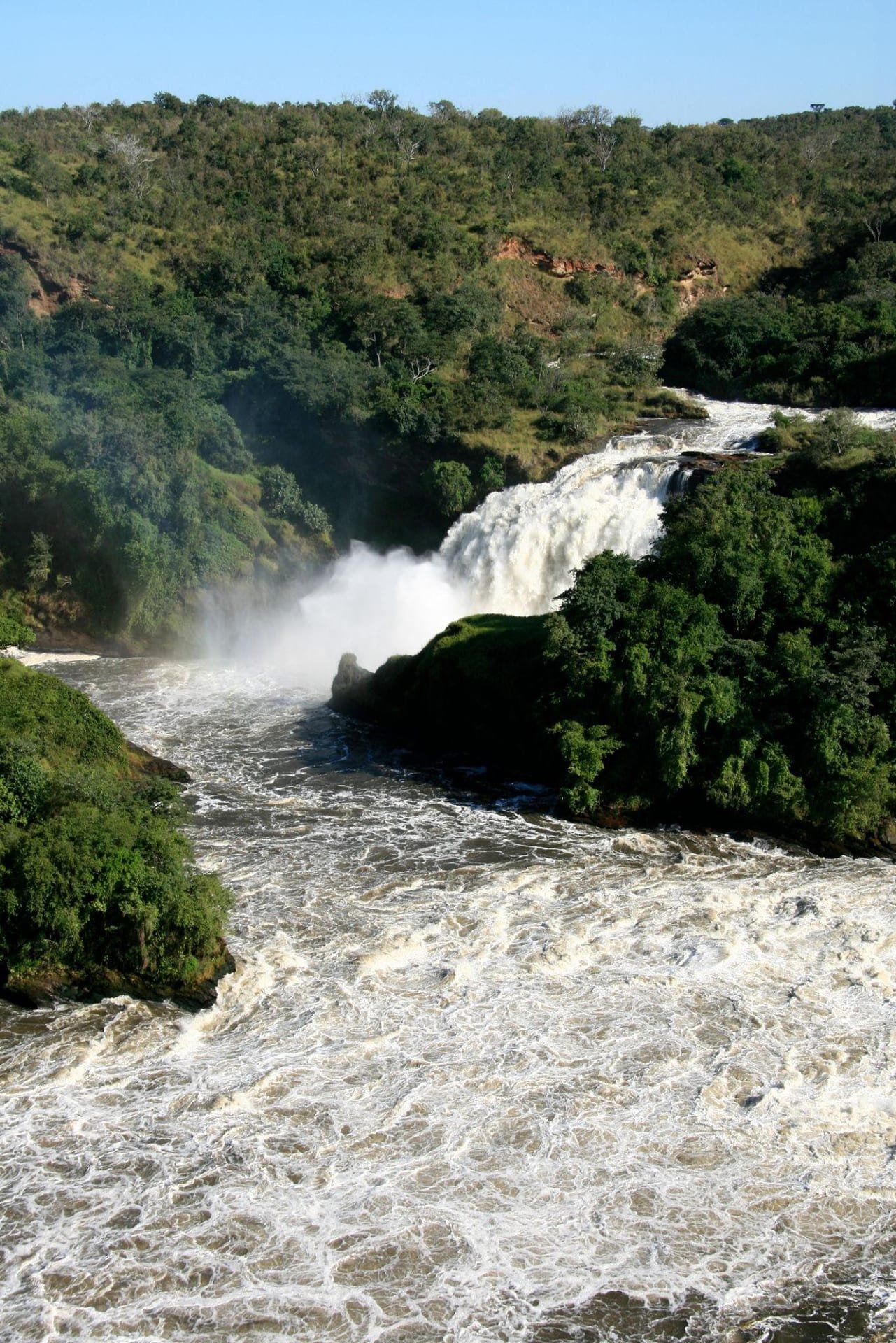
Murchison falls National Park in Uganda
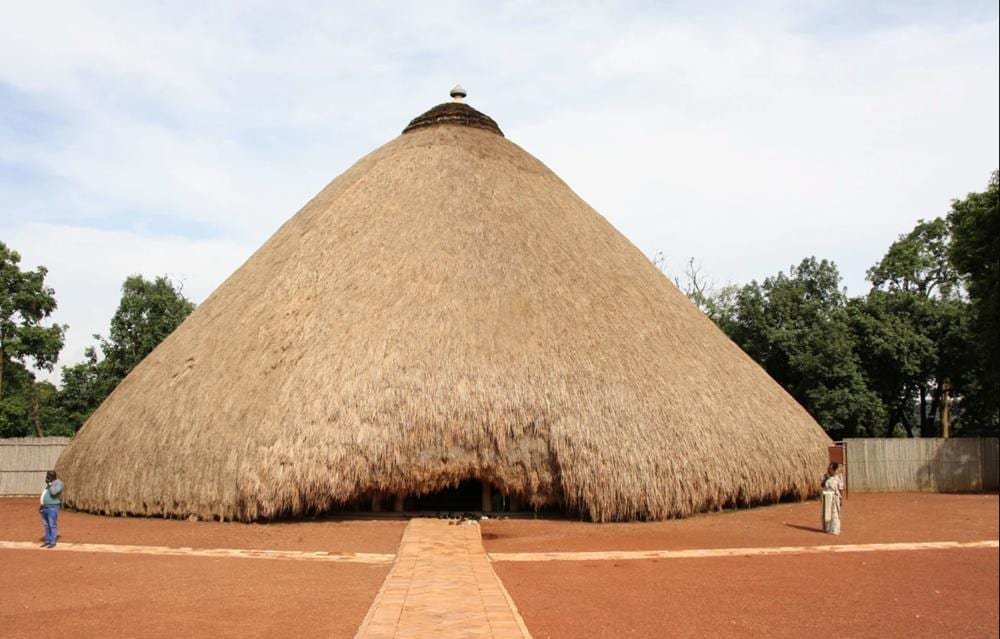
Historical Landmarks to Visit in Kampala: A Local’s Walking Guide
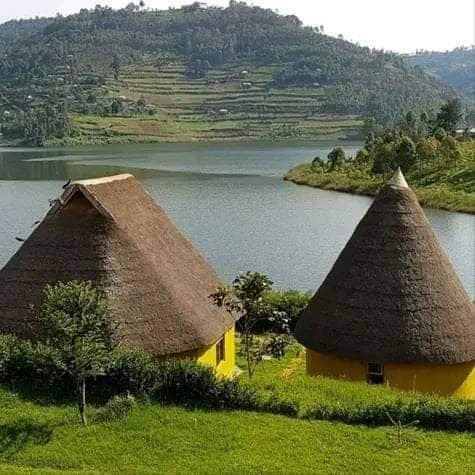
Homestay Accommodations for Cultural Immersion: What Actually Happens When You Move In
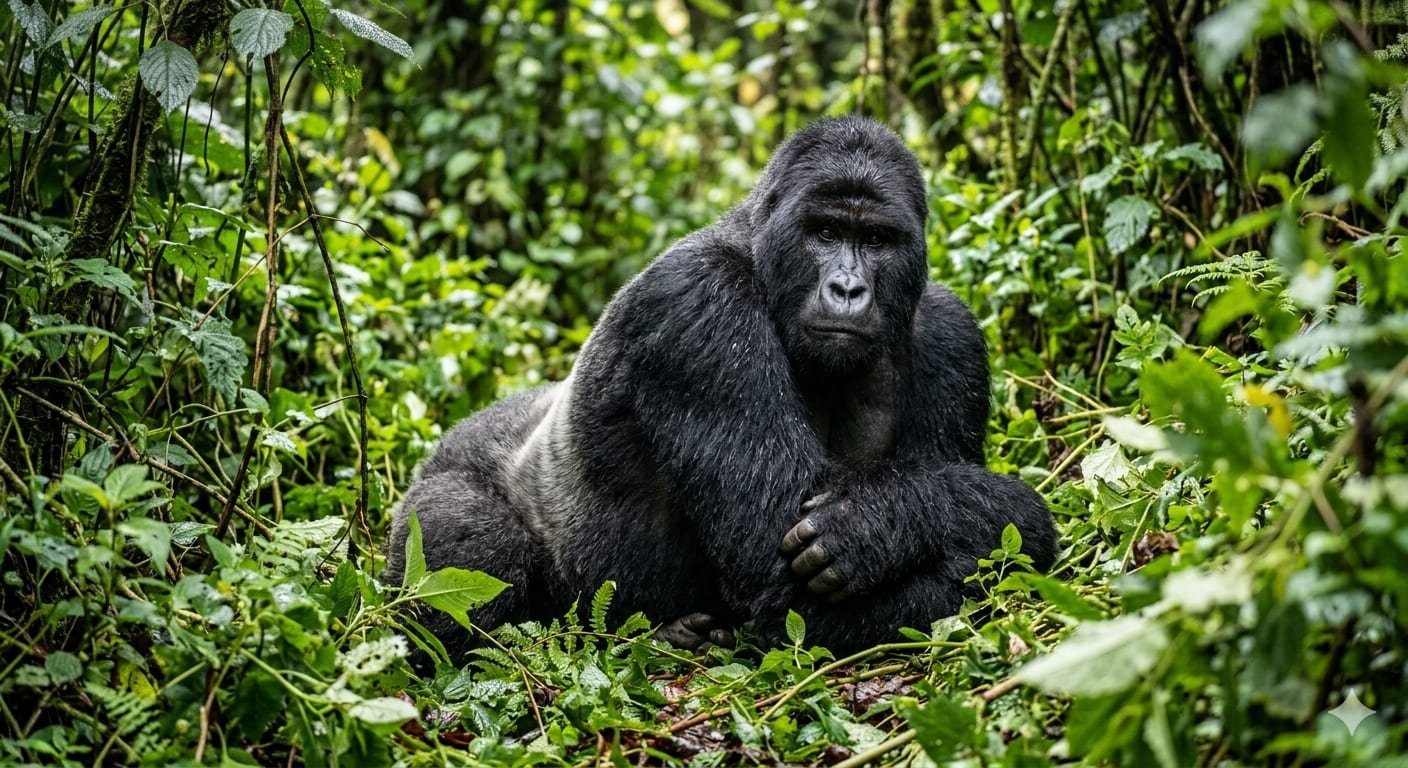
Gorilla trekking tours with Baheka Travel in Uganda, community-owned and guide-led
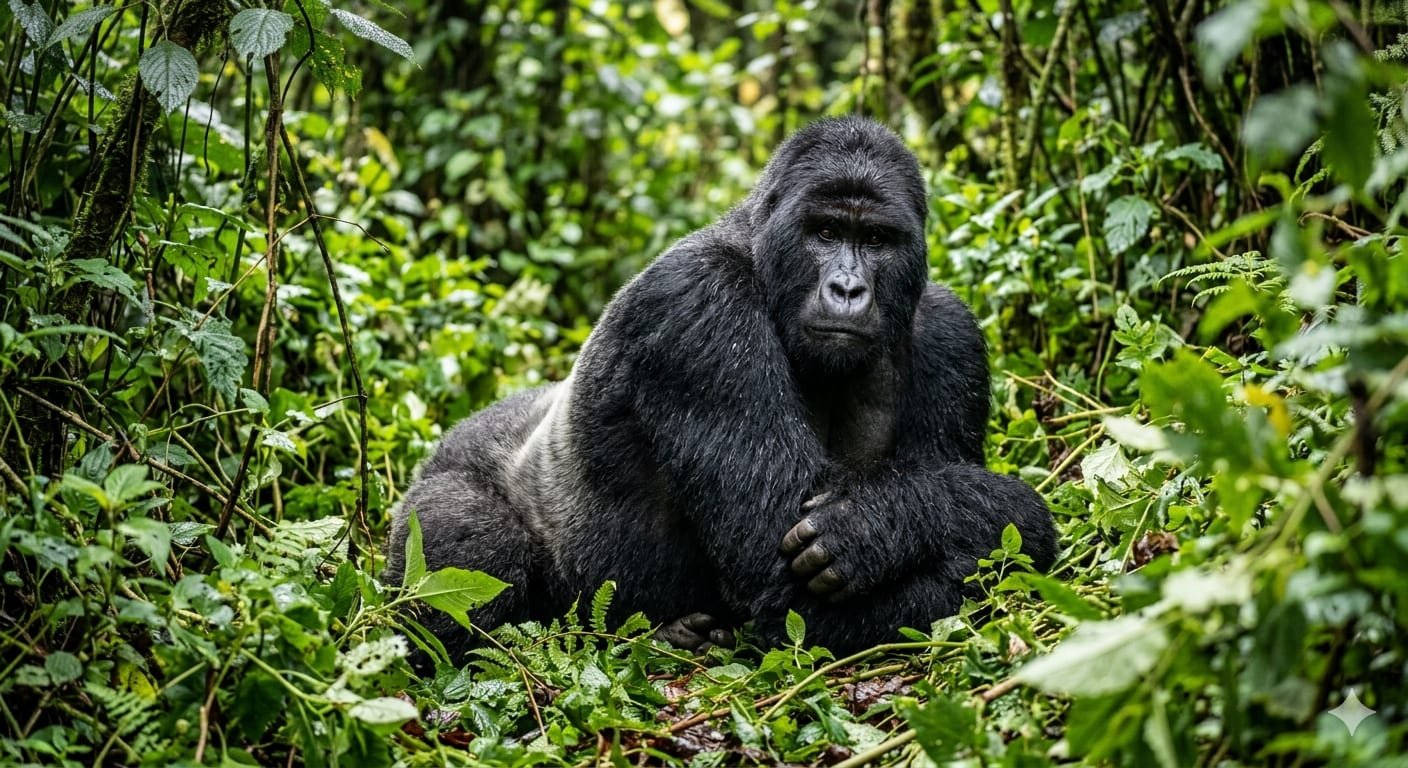
Sustainable Safari Experiences in Uganda: What Responsible Travel Looks Like Here