
Kampala’s key heritage sites sit across its hills, mixing Buganda Kingdom history, colonial-era change, and religious stories.
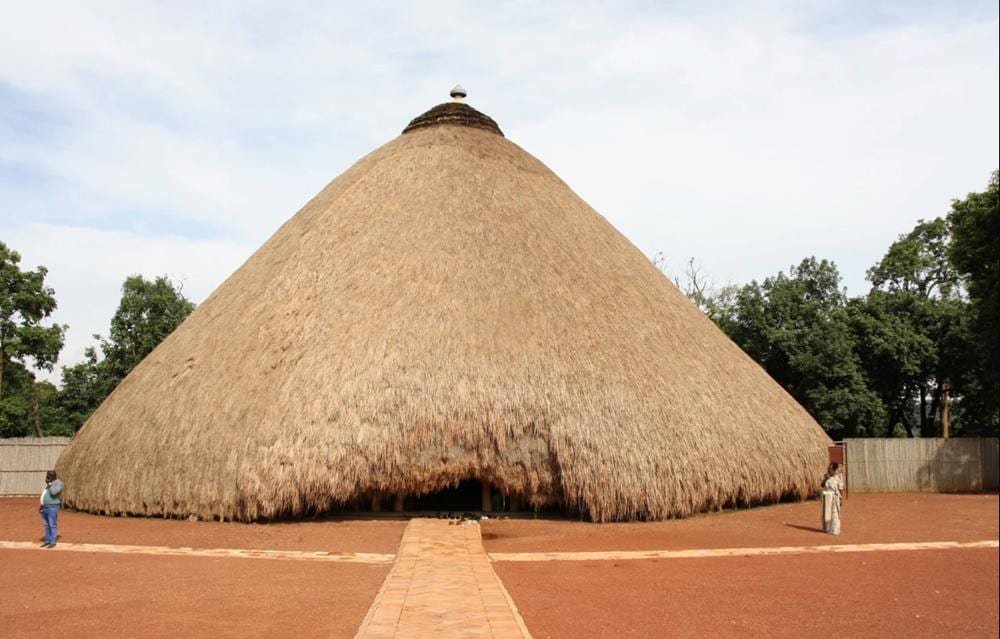
Kasubi Tombs: royal burial site for four Buganda kings; UNESCO-listed; still used for ceremonies.
Namugongo Shrine: memorial to 45 executed converts; busiest near June 3; includes Catholic and Anglican sites.
Uganda Museum: oldest national collection (since 1908) with artifacts, fossils, and traditional hut displays.
Lubiri Palace and nearby cathedrals add layers of political violence and faith history; traffic affects timing.
Kampala’s oldest hill, Kasubi, smells like dried bark cloth and smoke from the ceremonial fire that’s been kept burning inside the Kasubi Tombs for over a century. That’s where most people should start when planning which historical landmarks to visit in Kampala. The city spreads across seven hills (and then some), and each one holds a different chapter of Buganda Kingdom history, colonial-era conflict, or religious martyrdom. You could spend a single afternoon ticking off Kampala historical sites, or you could spend three days and still miss something. I’d recommend at least two full days. The distances between sites are short, rarely more than 10 kilometers apart, but Kampala traffic doesn’t care about your itinerary.
Baheka Travel & Safaris organizes Uganda historical tours that include cultural heritage stops in Kampala before heading to national parks. It’s a smart way to pair city history with the wildlife most travelers come for.
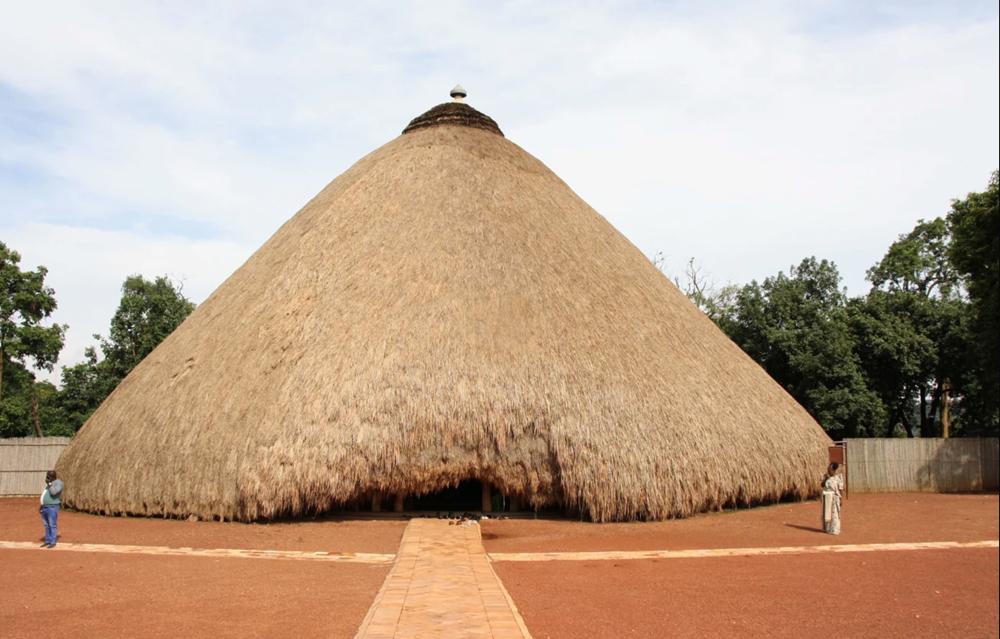
The Kasubi Tombs sit on Kasubi Hill, about 5 kilometers northwest of Kampala’s city center, and serve as the burial site for four Kabakas (kings) of the Buganda Kingdom. UNESCO designated the site a World Heritage property in 2001, recognizing it as one of the most significant spiritual and political landmarks in East Africa. The main structure, Muzibu Azaala Mpanga, was originally built in 1882 as the palace of Kabaka Mutesa I.
A fire in March 2010 destroyed much of the main tomb. Reconstruction has been ongoing since, with support from the Buganda Kingdom and international conservation bodies. You can still visit. The site remains active for royal ceremonies, and the caretakers (Nalinya and Lubuga, traditionally women of the royal household) maintain daily rituals there.
What strikes you first isn’t the architecture. It’s the quiet. Kasubi Tombs history runs deep enough that even on a busy Saturday, the compound feels separate from the city noise maybe 400 meters away. Your guide will ask you to remove your shoes before entering certain areas. Do it without hesitation.
“Traveling with Baheka Travel was fantastic; the entire trip was tailor-made to your needs. Herbert organized everything perfectly and made my dream of seeing and experiencing Uganda come true. I would recommend him to anyone for any need. The driver, Jimmy, was equally fantastic, showing me beautiful places and explaining everything about Ugandan culture and its flora and fauna. He was a true expert on everything. He even lent me a very interesting book that was useful for birdwatching. Travel with Baheka; they are expert, local guides. I will definitely choose them again in the future!”
— Alex Carsana · Google · ★ 5.0
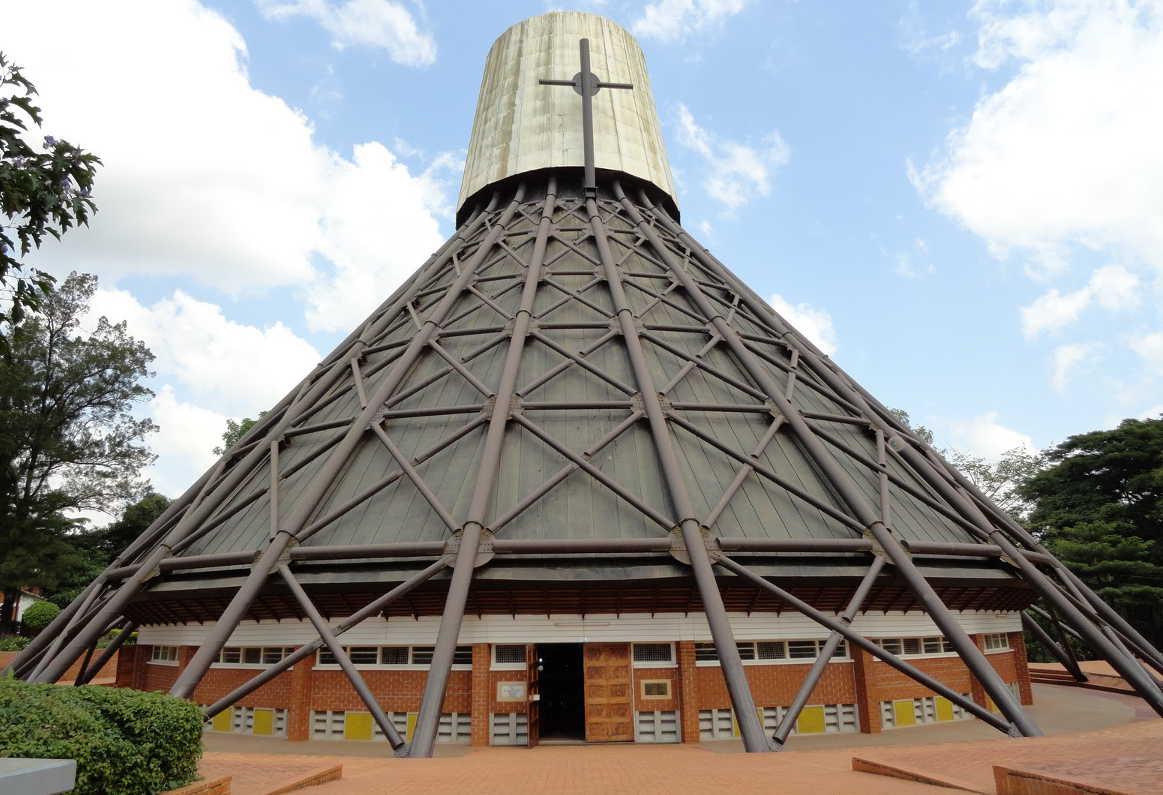
Namugongo Martyrs Shrine stands about 15 kilometers east of central Kampala, on the site where 45 Anglican and Catholic converts were executed between 1885 and 1887 on the orders of Kabaka Mwanga II. Twenty-two of the Catholic martyrs were canonized by Pope Paul VI in 1964, and the shrine draws over 3 million pilgrims annually during the June 3rd Martyrs’ Day celebrations.
The cultural significance of Namugongo Shrine goes beyond religion. It marks a turning point in Buganda’s relationship with European missionaries and colonial influence. The basilica, completed in 1975, was designed to echo the shape of traditional African huts, with a conical roof visible from the main road. A separate Anglican shrine sits nearby, about a 10-minute walk east.
If you visit outside of June, you’ll have the grounds mostly to yourself. The artificial lake on the property is where some of the martyrs were burned, and the memorial plaques around it name each one. I’d honestly recommend going on a weekday morning. The light through the basilica windows is better before noon, and you can talk to the resident guides without competing with school groups.
Uganda Museum, located on Kira Road roughly 3 kilometers from the city center, opened in 1908 and holds the country’s oldest and largest collection of ethnographic, natural history, and archaeological artifacts. The best historical sites in Kampala tend to be outdoors, but this one earns its indoor time.
The ethnography section displays musical instruments, hunting tools, and bark cloth from multiple Ugandan kingdoms. There’s a paleontology wing with fossils from the Karamoja region. And the traditional hut reconstructions in the museum’s outdoor courtyard give you a physical sense of how different ethnic groups built their homes, from the Karamojong to the Baganda.
Uganda Museum attractions are straightforward. Budget about 90 minutes. The signage is aging in places, and if I’m being honest, the lighting in some galleries makes it hard to read labelsBut the collection itself is real. No replicas. The bark cloth pieces alone are worth the visit.
Site | Distance from City Center | Time Needed | Entry Considerations |
|---|---|---|---|
Kasubi Tombs | ~5 km northwest | 1–2 hours | Remove shoes in sacred areas |
Namugongo Martyrs Shrine | ~15 km east | 1.5–2 hours | Busiest around June 3 |
Uganda Museum | ~3 km (Kira Road) | 1–1.5 hours | Weekday mornings are quietest |
Kabaka’s Palace (Lubiri) | ~4 km (Mengo Hill) | 1–1.5 hours | Guided tours required |
Namirembe Cathedral | ~3 km (Namirembe Hill) | 45 min–1 hour | Active church; dress modestly |
Lubiri Palace on Mengo Hill, about 4 kilometers from downtown, was the official residence of the Buganda King until Idi Amin’s forces stormed it in 1966. The attack, ordered by then-Prime Minister Milton Obote, forced Kabaka Mutesa II into exile in London, where he died in 1969. That single event reshaped Ugandan politics for decades.
The palace grounds include underground chambers that Amin later used during his regime in the 1970s. Your guide will take you down a narrow corridor into rooms where prisoners were held. The walls are close. The air is thick. It’s not comfortable, and it shouldn’t be.
Top landmarks in Kampala don’t all feel good to visit. This one matters because it’s honest about what happened. The Buganda Kingdom has since restored parts of the palace, and the current Kabaka uses a separate residence nearby. Guided tours are required, and they run about an hour.
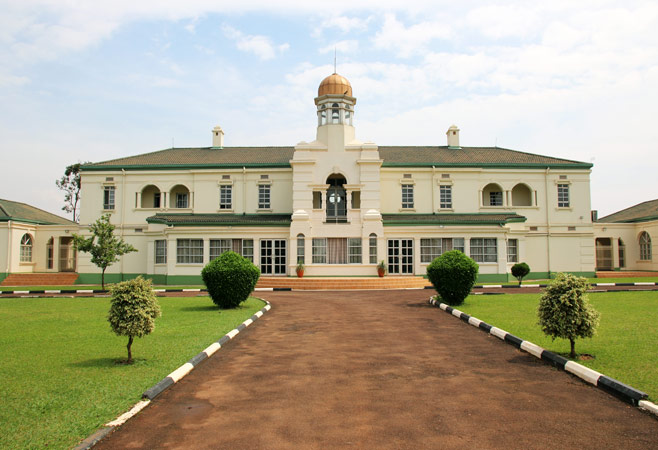
Namirembe Cathedral (Anglican) and Rubaga Cathedral (Catholic) sit on adjacent hills about 3 kilometers west of the city center. You can walk between them in 20 minutes if you don’t mind the incline. Both were built in the early 1900s and both played roles in Uganda’s religious and political formation.
Namirembe, completed in 1919, is the older of the two current structures (earlier versions burned down or collapsed). The red-brick exterior and the cemetery behind it, where early missionaries and Ugandan church leaders are buried, are worth a slow walk. Rubaga Cathedral, seat of the Catholic Archdiocese of Kampala, was completed in 1925 and sits on the hill where the White Fathers first established their mission in 1879.
Cultural attractions in Kampala don’t get more layered than these two. Standing on Namirembe Hill, you can see Rubaga’s white twin towers across the valley. And on a clear morning, the Kasubi Tombs are visible to the north. Three hills, three belief systems, all within a couple of kilometers.
The best time to visit historical landmarks in Kampala is during the dry seasons: December through February and June through August. Roads are more predictable, and outdoor sites like Kasubi and Namugongo are easier to walk. The rainy months (March through May, October through November) bring afternoon downpours that can turn unpaved paths muddy.
How to plan a historical tour in Kampala comes down to sequencing. Start with Kasubi Tombs in the morning (they open at 8am). Move to Lubiri Palace on Mengo Hill, which is close by. After lunch, head to Namirembe and Rubaga. Save Namugongo for a separate half-day because the 15-kilometer drive east can take 45 minutes to over an hour depending on traffic.
Baheka Travel & Safaris builds cultural heritage tours into broader Uganda itineraries, connecting Kampala’s historical sites with gorilla trekking, wildlife safaris, and homestay experiences in southwestern Uganda. If you’ve got 8 or more days in the country, combining city heritage with national park time is the right move.
Uganda Wildlife Authority manages the country’s national parks, but Kampala’s cultural sites fall under a mix of Buganda Kingdom stewardship, religious institutions, and the Uganda National Museum. That split ownership means each site has its own rhythm, its own rules, and its own version of the story. You won’t get a single narrative. You’ll get competing ones. That’s the point.
Kampala holds six centuries of Buganda Kingdom history, 140 years of missionary influence, and the scars of post-independence political violence, all within a city you can cross in an hour on a good traffic day. The best historical sites in Kampala don’t require a guide to appreciate, but having one (particularly a local who grew up hearing these stories from family, not textbooks) changes what you notice. The fire-blackened stones at Kasubi. The depth of the chambers at Mengo. The angle of light inside Namugongo’s basilica. These details don’t show up on a map.
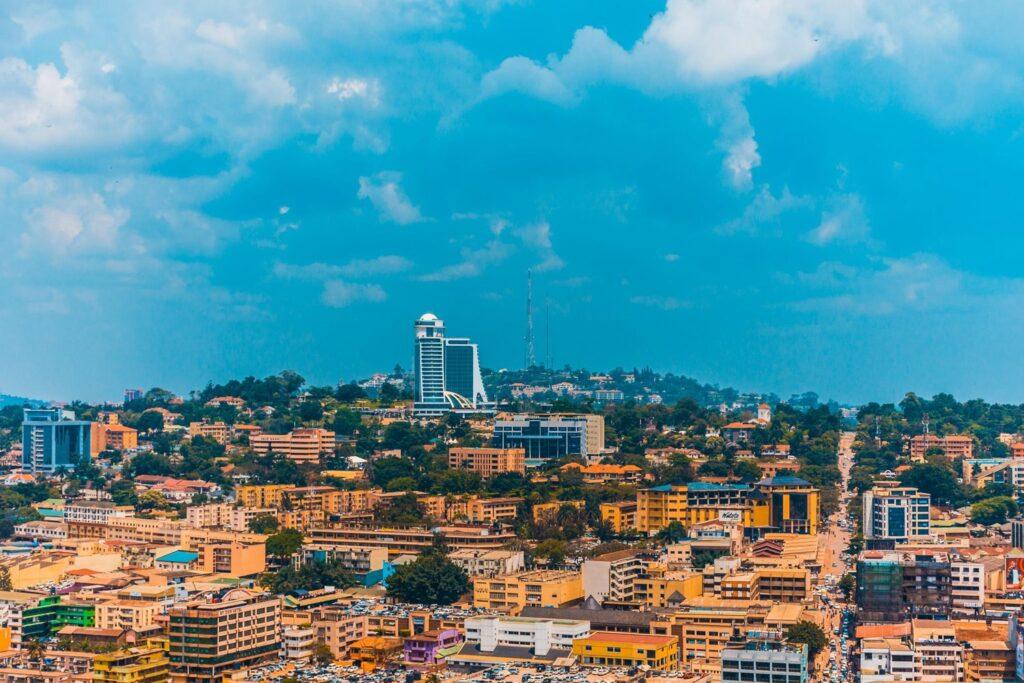
Kampala offers rich historical sites, such as Kasubi Tombs, Namugongo Martyrs Shrine, and Uganda Museum. Each site provides a unique glimpse into Buganda Kingdom history and Uganda’s colonial past.
The Kasubi Tombs are a UNESCO World Heritage site and the burial ground for Buganda’s kings, offering profound spiritual and political significance. Visitors can experience the serene atmosphere and ongoing royal ceremonies.
Namugongo Martyrs Shrine is a pivotal site marking the execution of 45 converts, symbolizing Buganda’s turning point with European influence. The shrine attracts millions of pilgrims during the annual Martyrs’ Day.
Begin your historical tour at Kasubi Tombs, followed by Lubiri Palace, and end with the Namirembe and Rubaga Cathedrals. Allocate a separate day for Namugongo Shrine due to the distance and traffic conditions.
The ideal time to visit is during the dry seasons, from December to February and June to August. During these months, roads are more accessible, and outdoor sites are more enjoyable to explore.
For more information on Uganda’s historical tours, visit Baheka Travel & Safaris.
 Powered by TypeHero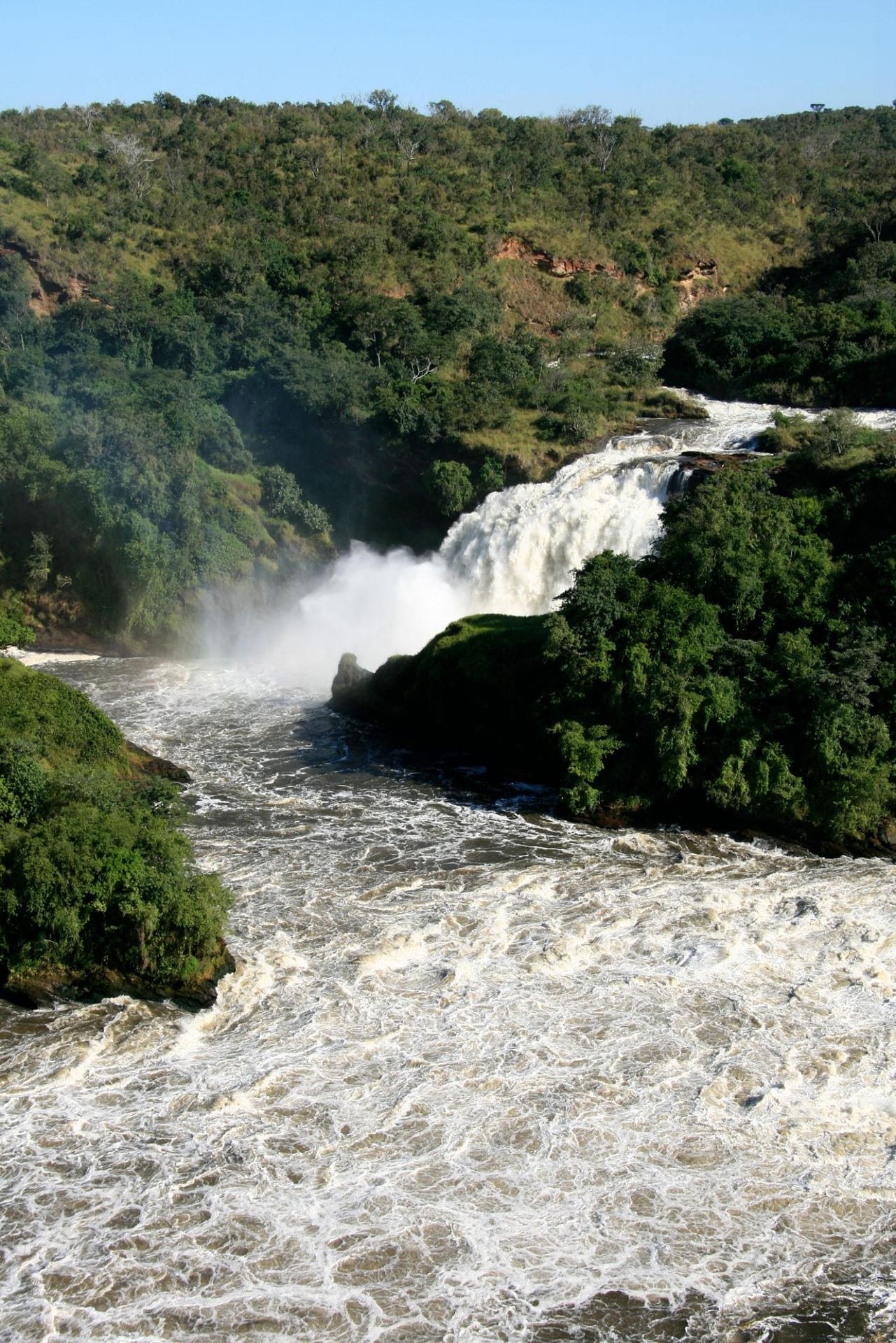
Murchison falls National Park in Uganda
Historical Landmarks to Visit in Kampala: A Local’s Walking Guide
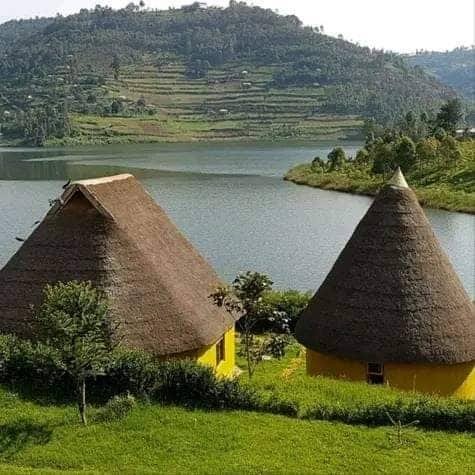
Homestay Accommodations for Cultural Immersion: What Actually Happens When You Move In
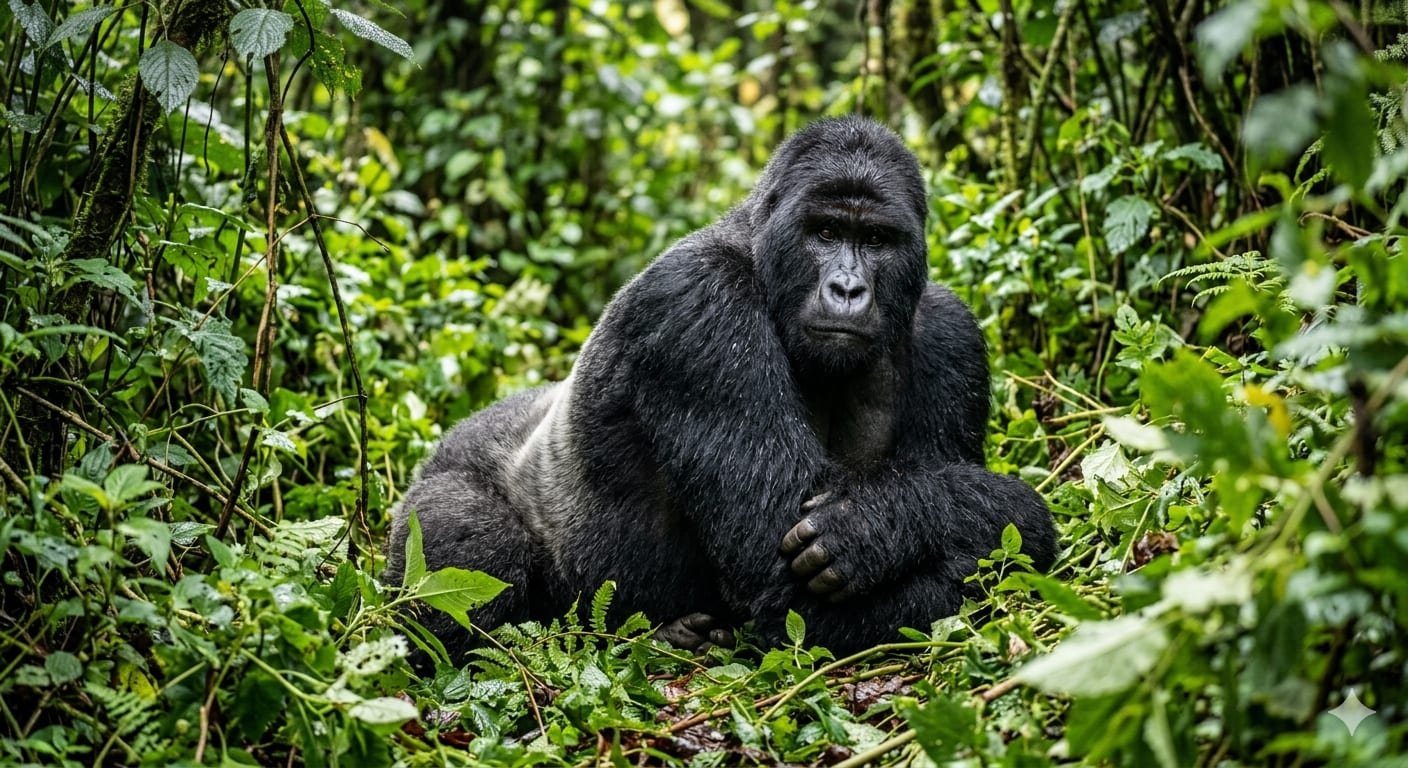
Gorilla trekking tours with Baheka Travel in Uganda, community-owned and guide-led
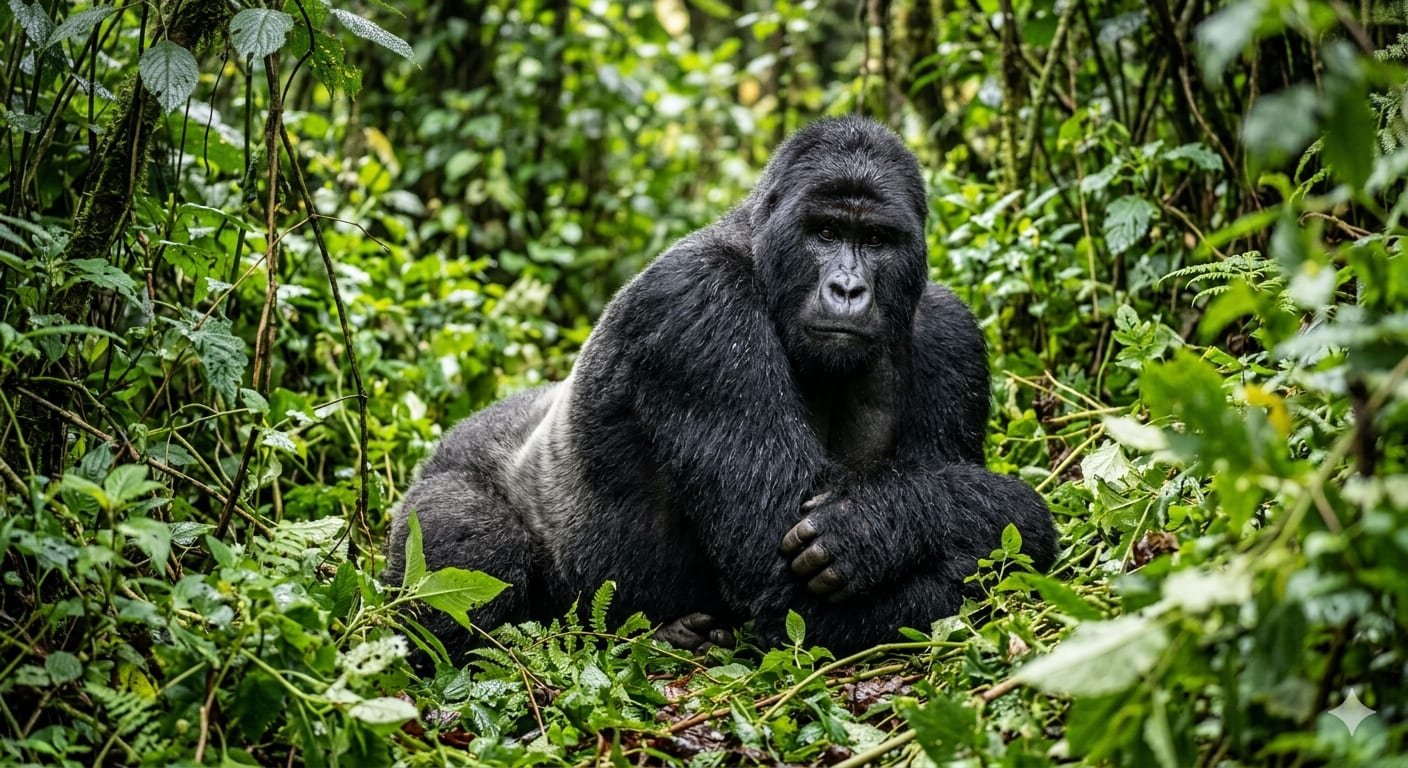
Sustainable Safari Experiences in Uganda: What Responsible Travel Looks Like Here
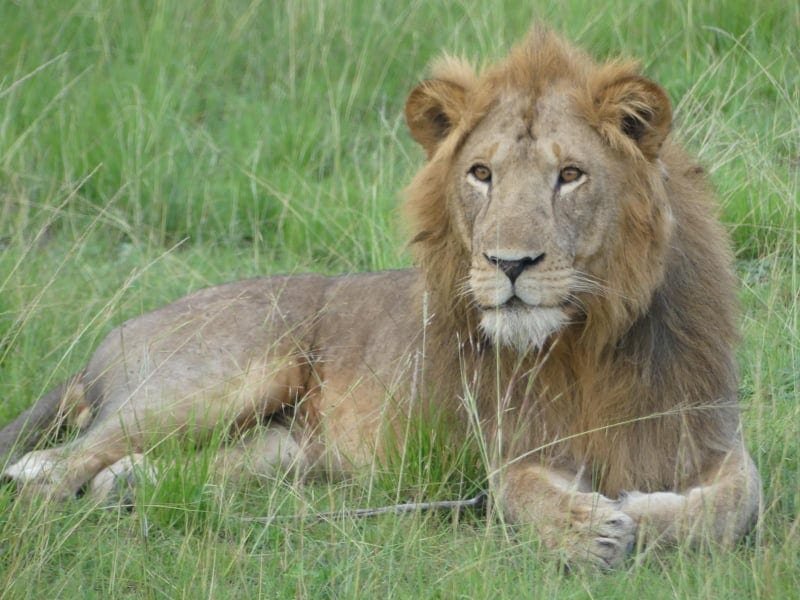
Mweya After Queen Elizabeth: What to Do Next on Your Uganda Safari