
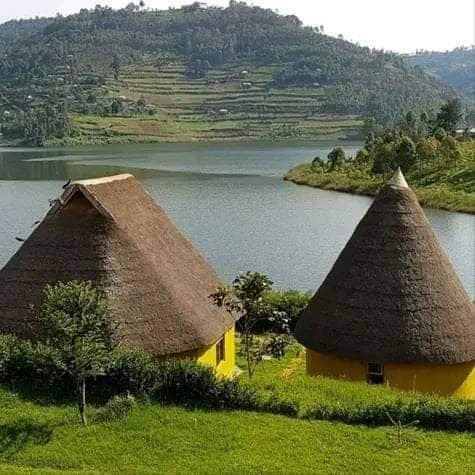
Homestay in Nyabushabi Village near Lake Bunyonyi means living like the family: shared meals, home cooking, and daily routines.
Immersion comes from real time together, not short tours: farming, school visits, meetings, dances, and crafts.
Language learning happens naturally, with daily Rukiga practice; an interpreter is available.
Run through a community-owned program with vetted host families, guides, and clear inclusions.
Best comfort in dry seasons; evenings are cool and quiet.
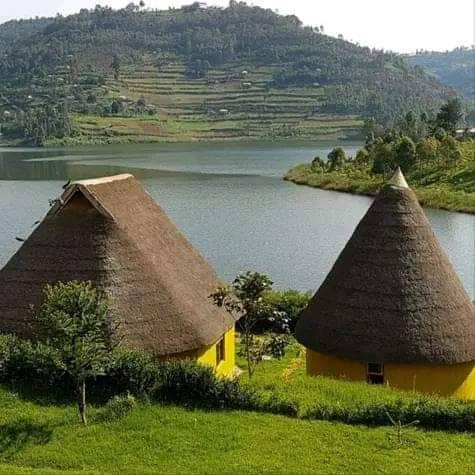
The smell of charcoal and fresh matooke hits before the front door opens. That’s the first thing guests mention about homestay accommodations for cultural immersion in Nyabushabi Village, a small community in southwest Uganda’s Kabale District, roughly 8 kilometers from Lake Bunyonyi. Baheka Travel & Safaris arranges host family accommodation here as part of itineraries lasting anywhere from a few days to several months, and the experience is nothing like checking into a hotel. You eat what the family eats. You sleep under their roof. You learn the rhythms of a household that doesn’t rearrange itself for visitors.
This isn’t a curated performance of local life. It’s local life, with you in it.
The homestay benefits start accumulating fast, often within the first meal. But understanding what that looks like, practically, requires more than a brochure paragraph. Here’s what the experience involves, who it works for, and what you should know before you go.
“Traveling with Baheka Travel was fantastic; the entire trip was tailor-made to your needs. Herbert organized everything perfectly and made my dream of seeing and experiencing Uganda come true. I would recommend him to anyone for any need. The driver, Jimmy, was equally fantastic, showing me beautiful places and explaining everything about Ugandan culture and its flora and fauna. He was a true expert on everything. He even lent me a very interesting book that was useful for birdwatching. Travel with Baheka; they are expert, local guides. I will definitely choose them again in the future!”
— Alex Carsana · Google · ★ 5.0
Host family accommodation through Baheka Travel places you directly with a family in Nyabushabi Village, a community-owned tourism site where profits go back to registered local members and development projects. The arrangement includes three meals per day prepared in a home kitchen, a private sleeping area, and daily interaction with your host family. An interpreter is available when needed.
The 11-day homestay itinerary, priced at $1,810 per person (with discounts for groups of 2, 4, or 6 sharing accommodation), is the standard package. But the duration is flexible. Some guests stay a week. Others stay a month or longer, particularly international student homestays and volunteer placements.
You’re not a spectator. Mornings might involve joining your host in the garden, harvesting beans or sweet potatoes. Afternoons could mean walking to a nearby school where you teach English or help with a community project. Evenings are for conversation, sometimes halting, sometimes flowing, over a shared pot of tea.
I think the thing most people underestimate is how quickly you stop feeling like a guest. By day three, you know where the water jug is. By day five, you’re greeting neighbors by name.
Cultural immersion experiences in a homestay setting work differently than a guided cultural tour. A tour gives you two hours. A homestay gives you mornings, afternoons, and the quiet stretch after dinner when the real conversations happen. You learn how decisions get made in a household, what the local farming calendar looks like, which songs get sung at community gatherings and why.
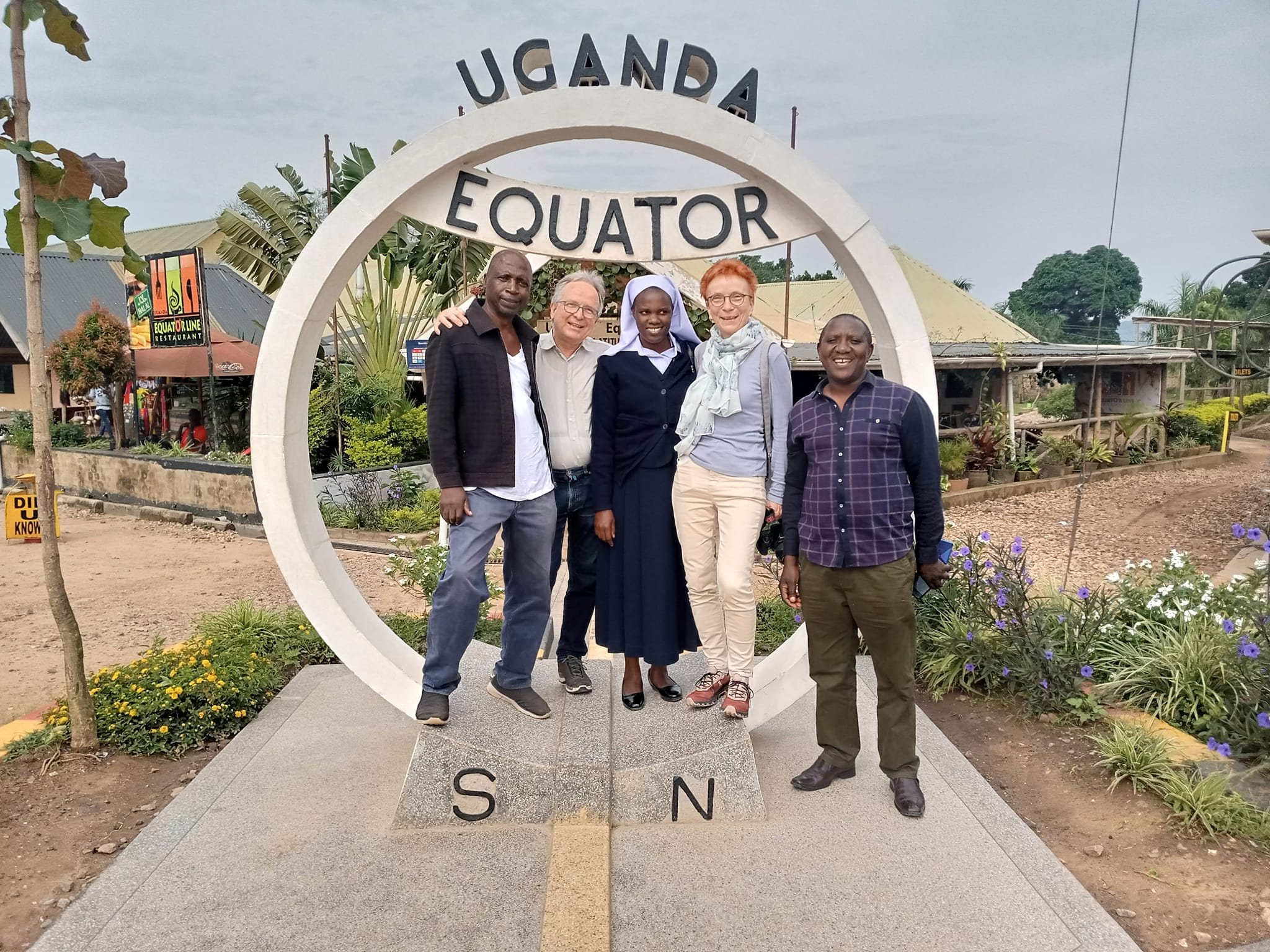
Nyabushabi sits at roughly 1,800 meters elevation in the Kigezi Highlands, and the cool air and terraced hillsides shape everything about daily life here. The temperature hovers around 15 to 20°C most of the year, which means you’ll want a fleece for evenings. The landscape is steep, green, and intensely farmed. Bananas, sorghum, Irish potatoes, and beans grow on nearly every slope.
Cultural immersion through host families here means learning to cook local dishes (try peeling matooke with your hands the first time, it’s harder than it looks), attending community meetings, and sometimes participating in traditional dance or craft workshops. None of it is staged for cameras. The dance happens because the community dances. You just happen to be there.
For international student homestays, this kind of exposure builds understanding that no classroom can replicate. You’re not reading about subsistence agriculture. You’re pulling weeds beside someone who depends on the harvest.
The question of how homestay accommodation enhances cultural learning has a simple answer: proximity. You can’t understand a culture from a hotel lobby. You understand it from the kitchen table.
Language learning in a homestay setting is a good example. Baheka Travel’s homestay program is one of the few that explicitly frames itself as a language learning homestay opportunity. Guests pick up Rukiga phrases daily, not from a textbook but from context. Your host says a word, points at the thing, and you repeat it. Within a week, most guests can greet, thank, and make basic requests in the local language. Within a month, some hold short conversations.
Learning area | Hotel stay | Homestay experience |
|---|---|---|
Language exposure | Minimal (staff speak English) | Daily, conversational, contextual |
Meal preparation | Observed or absent | Hands-on, three meals daily |
Community interaction | Transactional | Relational, ongoing |
Cultural context | Guided tours, scheduled | Organic, continuous |
Duration of contact | Hours | Days to months |
The benefits of homestay for language learning extend beyond vocabulary. You learn tone, humor, the way people use silence. That’s the part textbooks miss.
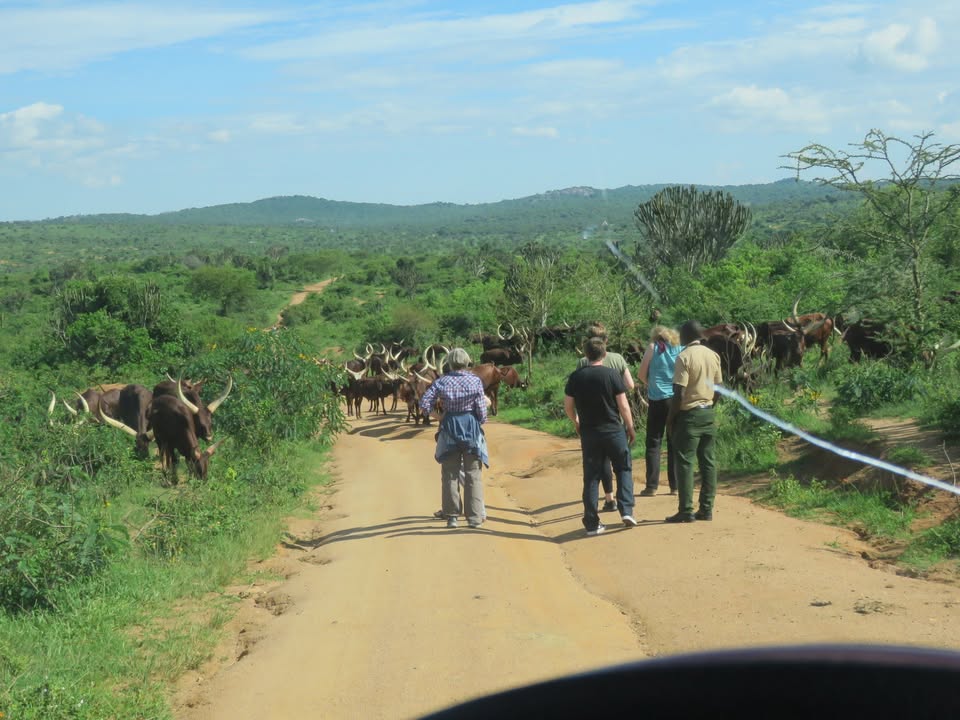
Safe accommodations for students matter, and it’s fair to ask how a village homestay handles this. Baheka Travel operates as a community-owned organization with over 89 guides and a network of vetted host families. The company’s founder, Herbert Bagyenyi Kajoki, is a charter president of the Rotary Club of Lake Bunyonyi, and the business is listed on SafariBookings.com. These aren’t anonymous Airbnb listings.
Host families are selected and known to the organization. Airport pickup and drop-off are included, along with an interpreter, bottled water (1.5 liters per day), and transport to scheduled activities. What’s not included: airfare, health insurance, vaccinations, personal spending, and wildlife permits if your itinerary extends to gorilla tracking ($800) or chimpanzee tracking ($250).
International student homestays through Baheka Travel often combine the village stay with volunteer placements in local schools, agricultural projects, or community health initiatives. The structure is clear, and the boundaries are defined upfront. Honestly, that transparency is one of the homestay benefits that gets overlooked. Knowing exactly what you’re paying for, and what you’re not, removes the anxiety that can shadow a trip to an unfamiliar place.
Personalized hospitality here doesn’t mean a pillow menu. It means your host remembers you don’t like sugar in your tea by the second morning. It means the family adjusts meal timing around your schedule when you’re volunteering at the school. It means someone walks you to the trading center the first time so you know the way back.
Baheka Travel’s model is community-owned, which changes the economics of personalized hospitality in a meaningful way. Profits from your stay go to registered group members and local development projects. Your host isn’t working for a distant hotel chain. They’re working for themselves and their neighbors. That changes the quality of attention you receive, not because of a tip system, but because the relationship is direct.
The homestay experience page lays out the structure plainly: meals, accommodation, transport, guide, interpreter. No hidden fees, no upsells. If you want to extend into a Uganda safari after your village stay, that’s a separate conversation with separate pricing.
Your mileage may vary on how quickly you adapt to the pace of village life. Some guests find the quiet unsettling for the first day or two. No Wi-Fi in the evenings. No restaurant down the street. But that absence of noise is, if I’m being honest, the whole point.
The dry seasons, June through August and December through February, are the most comfortable months for a homestay in Kabale District. Roads are passable, the hillsides are golden-green, and outdoor activities run without interruption. The wet months (March to May, September to November) bring heavier rain, muddier paths, and cooler evenings, but the landscape turns intensely green and the birding improves.
Expect the drive from Entebbe International Airport to Kabale to take roughly 8 to 10 hours by road, or you can arrange an internal flight to a nearby airstrip and drive the remaining distance. Baheka Travel handles airport transfers as part of the package.
Pack layers. A headlamp. Comfortable walking shoes with grip. And patience. The village operates on its own clock, and adjusting to that rhythm is part of the cultural immersion experience.
Homestay accommodations for cultural immersion in Uganda’s Kigezi Highlands place you inside a functioning household in Nyabushabi Village, with meals, language exposure, and community participation built into every day. The program runs from days to months, costs $1,610 for 11 days with group discounts available, and is operated by a community-owned organization with over 89 local guides. You leave with Rukiga phrases, calloused hands from the garden, and a understanding of daily life that no game drive can replicate.
Rotary Club of Lake Bunyonyi
Rotary Club of Lake Bunyonyi
Rotarian
Rotary International
Staying with a host family offers deep cultural immersion and personalized hospitality. You participate in daily life, learning local customs and languages directly from your hosts. This experience provides insights into the community’s social and economic structures that a hotel stay cannot replicate.
Homestay accommodation enhances cultural learning through continuous interaction and participation in daily activities. Guests learn about local customs, language, and traditions in a natural setting, often gaining conversational skills in the local language within weeks, far surpassing textbook learning.
International student homestays offer immersive cultural experiences and safe accommodations for students. Participants can engage in community projects, language learning, and daily household activities, providing a comprehensive understanding of the local lifestyle beyond academic environments.
The benefits of homestay for language learning include daily exposure to conversational language in context. Guests learn practical vocabulary, local expressions, and cultural nuances, enhancing their linguistic and cultural understanding in ways traditional learning environments cannot match.
Yes, personalized hospitality is a key feature of homestay accommodations. Hosts tailor experiences based on individual guest needs, from meal preferences to activity schedules, ensuring a welcoming and customized stay that reflects genuine community engagement.
 Powered by TypeHero
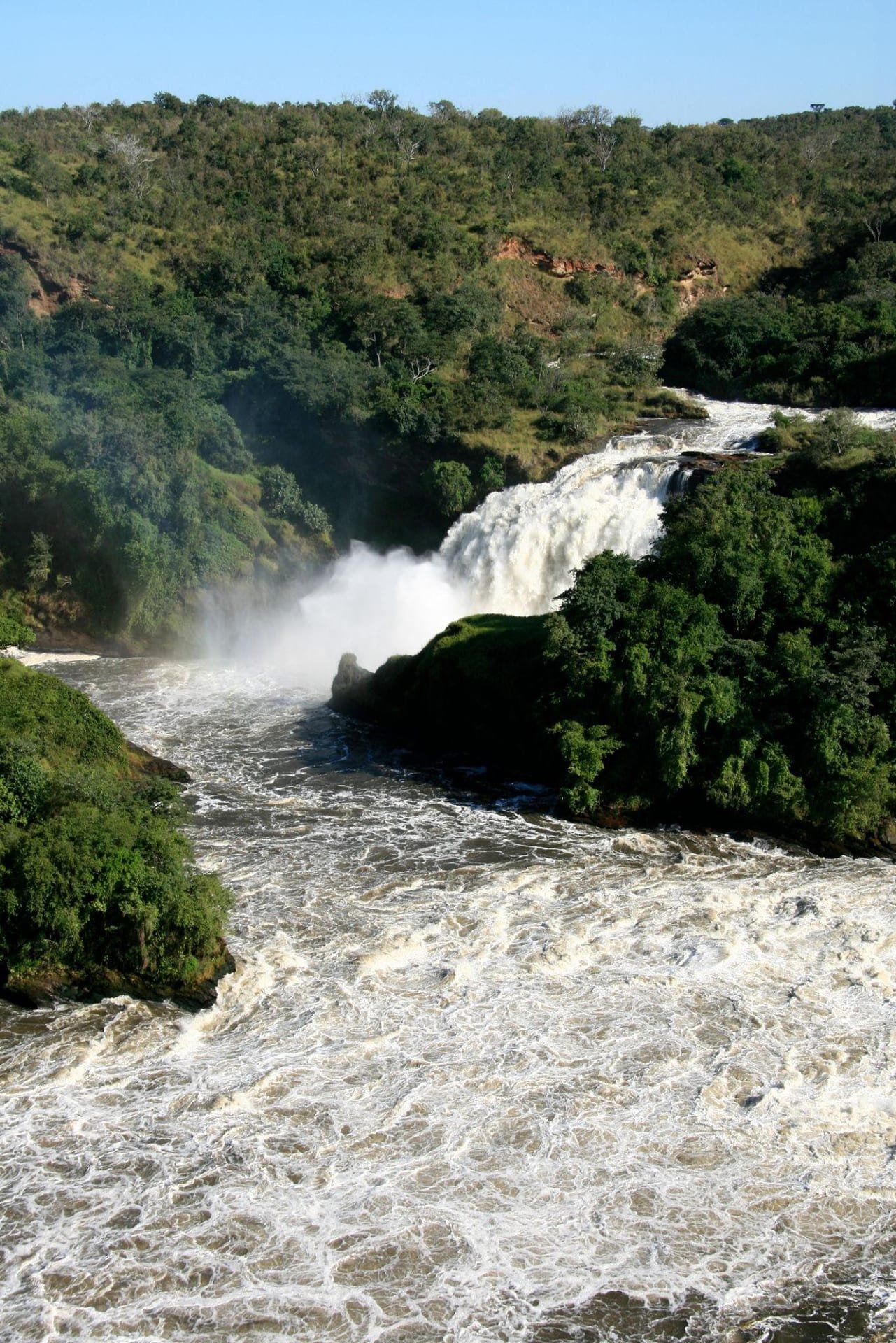
Murchison falls National Park in Uganda
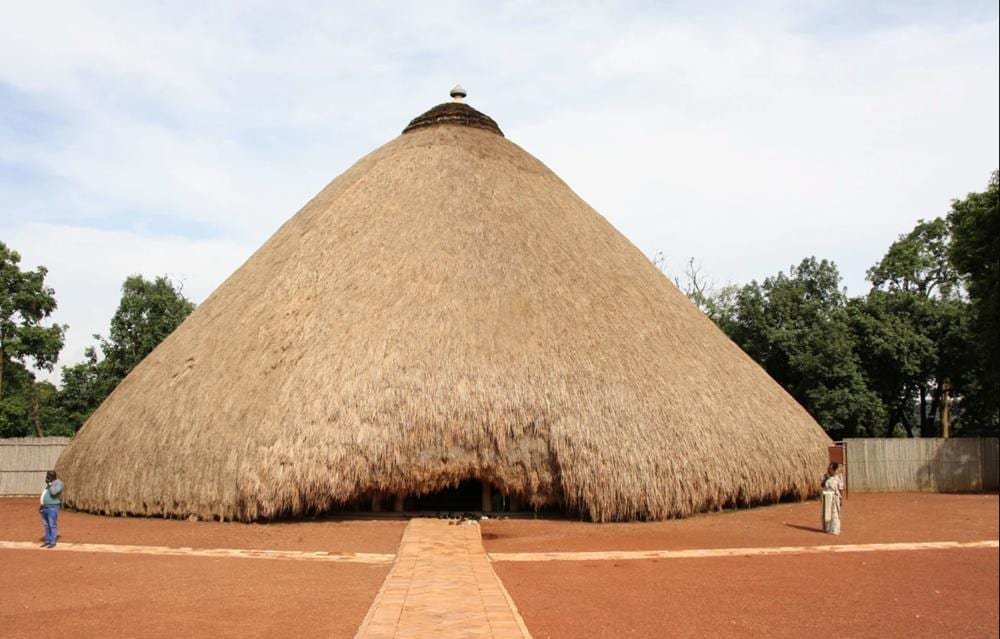
Historical Landmarks to Visit in Kampala: A Local’s Walking Guide
Homestay Accommodations for Cultural Immersion: What Actually Happens When You Move In
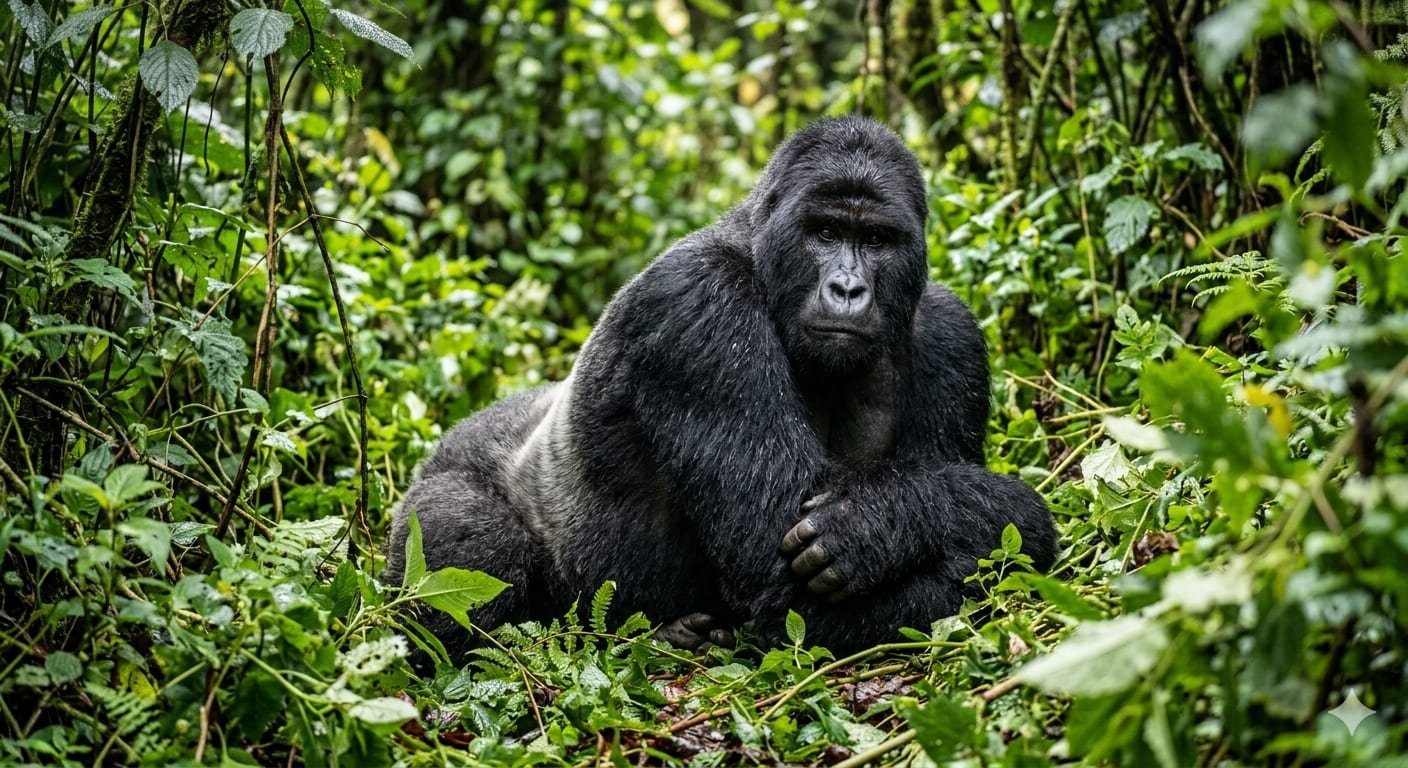
Gorilla trekking tours with Baheka Travel in Uganda, community-owned and guide-led
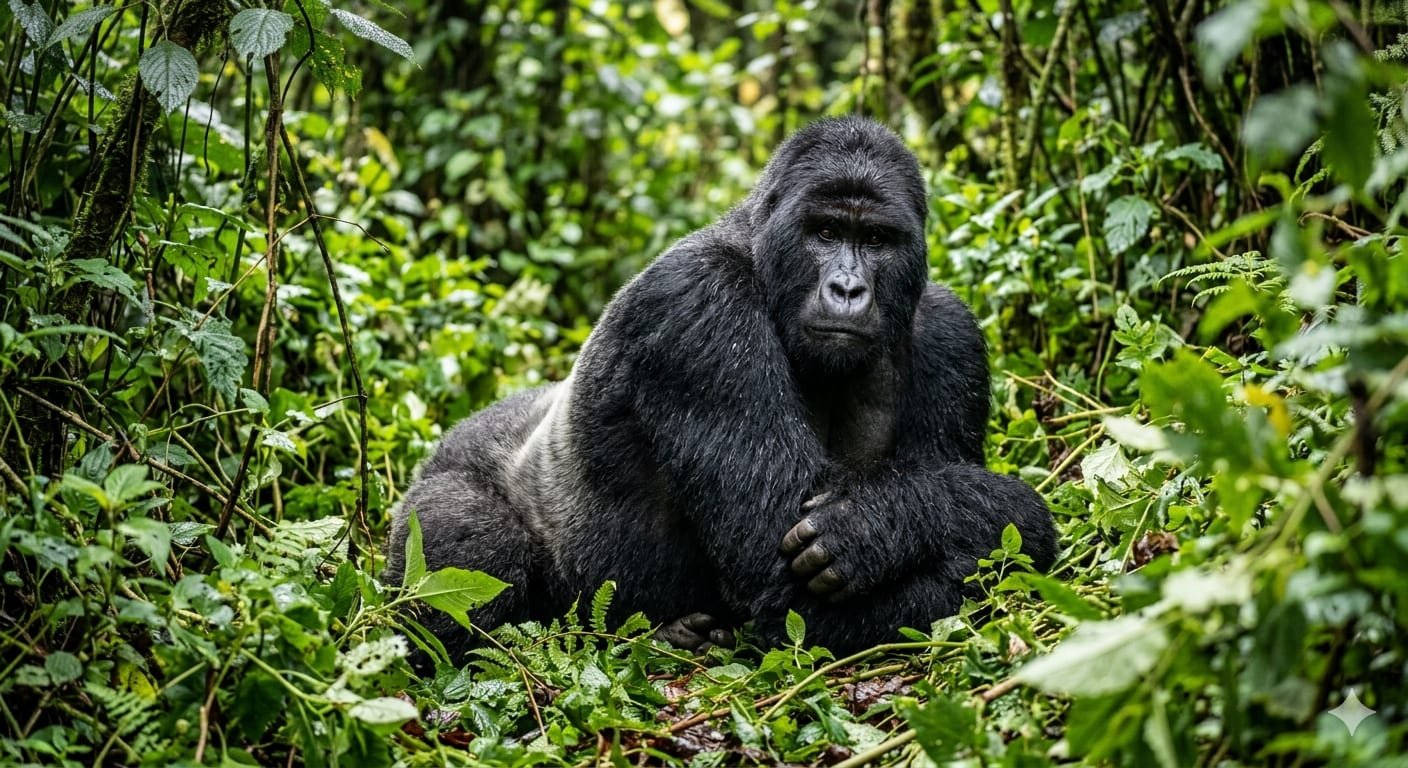
Sustainable Safari Experiences in Uganda: What Responsible Travel Looks Like Here
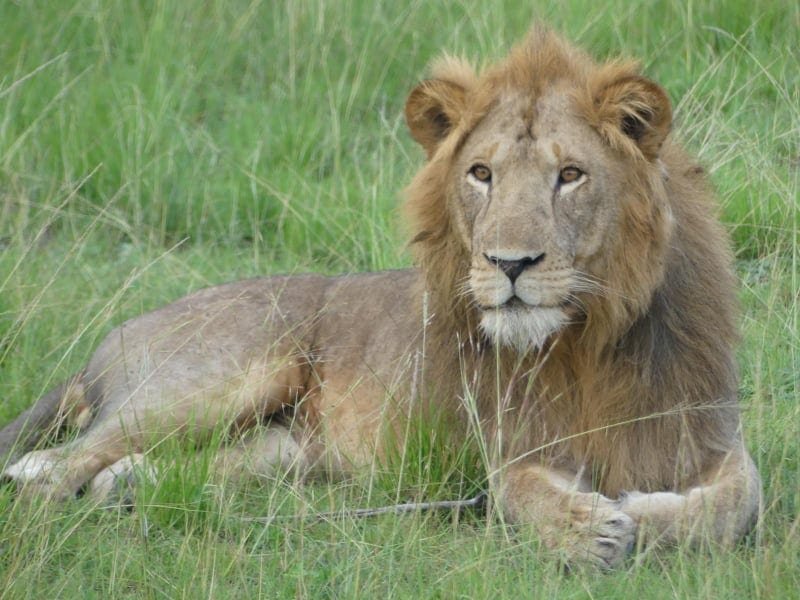
Mweya After Queen Elizabeth: What to Do Next on Your Uganda Safari