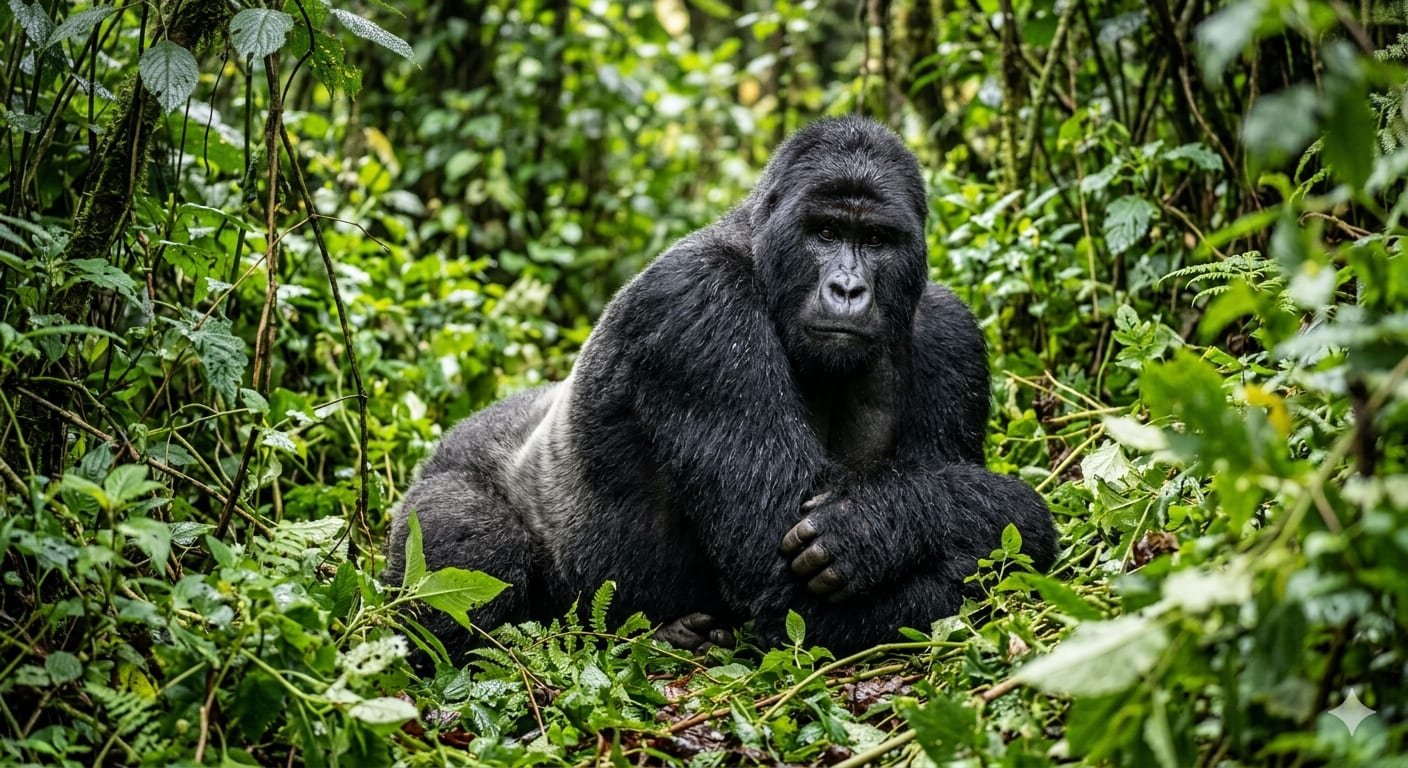
Uganda’s gorilla permits ($800) fund both conservation and nearby communities, helping reduce poaching.
Bwindi treks follow strict rules: small groups, no flash, keep distance, one hour with gorillas.
Community-owned operators (like Baheka) hire local guides and keep profits in local projects.
Options include simple homestays and low-footprint lodges; comfort is practical, not luxury.
Beyond gorillas: Queen Elizabeth wildlife, birding (1,000+ species), and community service trips.
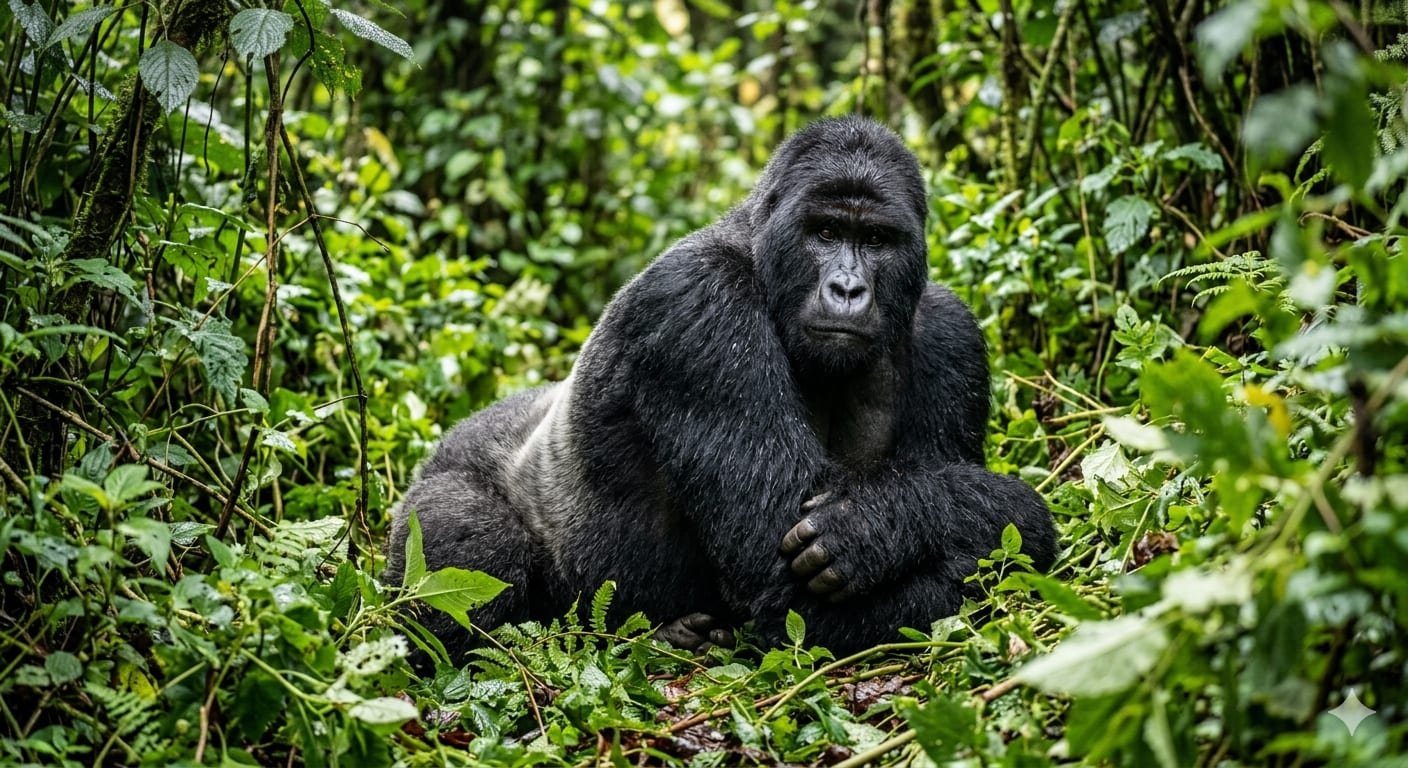
Bwindi Impenetrable Forest National Park holds roughly half the world’s remaining mountain gorillas, about 459 individuals at last count, and every $800 gorilla trekking permit sold in Uganda splits its revenue between wildlife conservation Uganda depends on and the communities living along the park’s edges. That’s the deal. Sustainable safari experiences in Uganda aren’t a marketing label. They’re a structure, built into how permits are priced, how guides are hired, and where your money actually goes when you book an eco-friendly safari Uganda operators organize through local networks.
Baheka Travel & Safaris operates from Kabale, in Uganda’s southwest, as a community-owned company. Profits go to registered group members and local development projects. The guides, over 89 of them, come from the communities surrounding the parks. This isn’t a footnote on a brochure. It’s the business model.
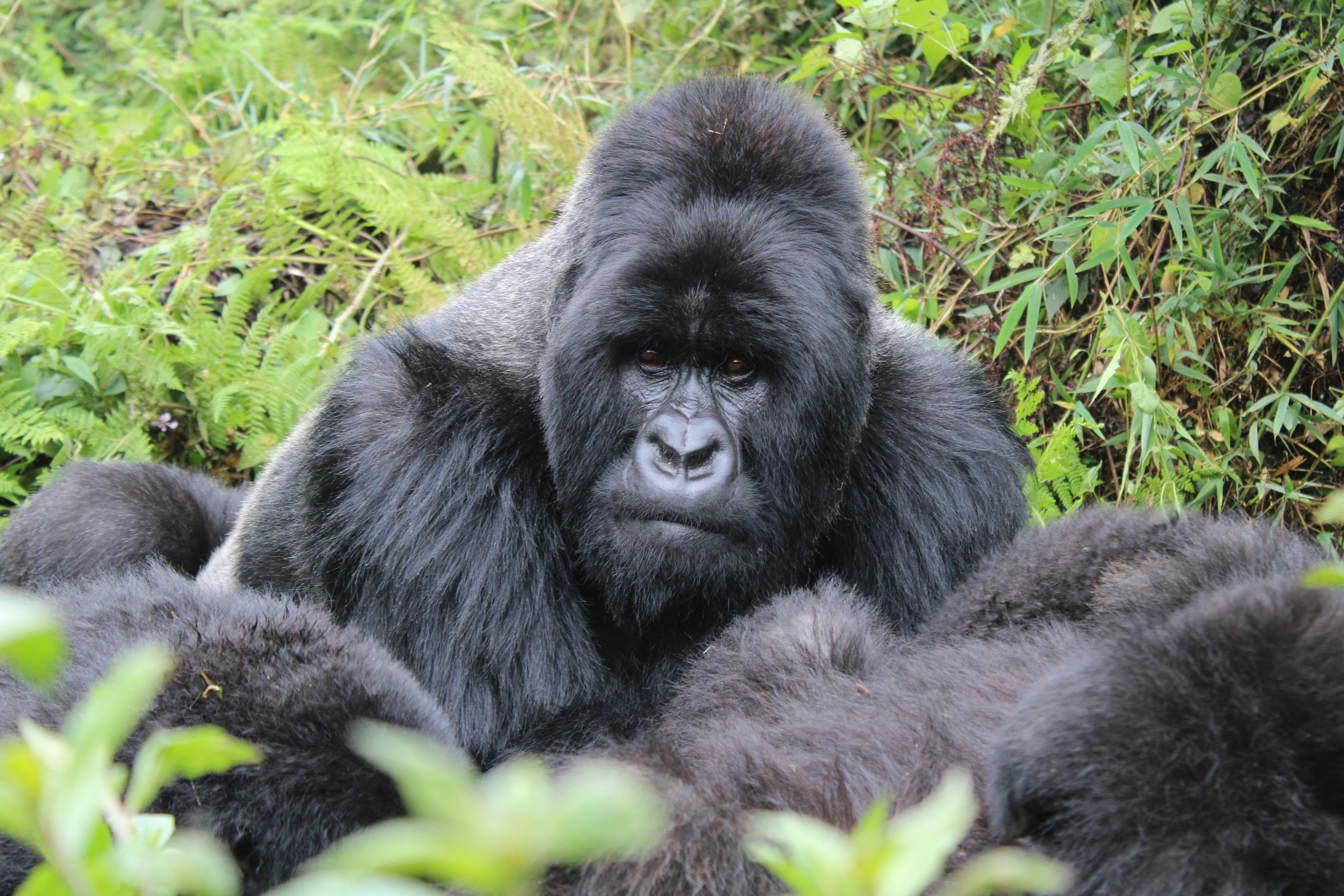
Wildlife conservation Uganda has invested in over the past three decades is inseparable from the safari experiences Uganda offers today. Bwindi Impenetrable Forest National Park, a UNESCO World Heritage Site spanning 321 square kilometers, was gazetted partly because gorilla populations were collapsing. The permit system, $800 per person per trek, was designed not just to limit foot traffic but to generate direct revenue for conservation and for people living near the forest.
The rules you follow on a gorilla trek exist for the animals, not for atmosphere. You maintain a minimum distance from the gorillas. Flash photography is prohibited because the sudden light startles them. Groups are small. Time with a gorilla family is capped at one hour. Your guide, typically someone who grew up in the area and knows the forest’s sounds and moods at different hours, enforces these rules without apology.
And the money works. A portion of every permit fee flows back to surrounding parishes. Schools get built. Health clinics receive funding. The logic is simple: if communities benefit from gorillas being alive, poaching drops. It has.
“Traveling with Baheka Travel was fantastic; the entire trip was tailor-made to your needs. Herbert organized everything perfectly and made my dream of seeing and experiencing Uganda come true. I would recommend him to anyone for any need. The driver, Jimmy, was equally fantastic, showing me beautiful places and explaining everything about Ugandan culture and its flora and fauna. He was a true expert on everything. He even lent me a very interesting book that was useful for birdwatching. Travel with Baheka; they are expert, local guides. I will definitely choose them again in the future!”
— Alex Carsana · Google · ★ 5.0
Ethical tourism Uganda travelers should understand isn’t only about gorillas or lions. It’s about the human side of the equation, how your presence affects the village you drive through, the family whose land borders the park, the guide whose income depends on your visit.
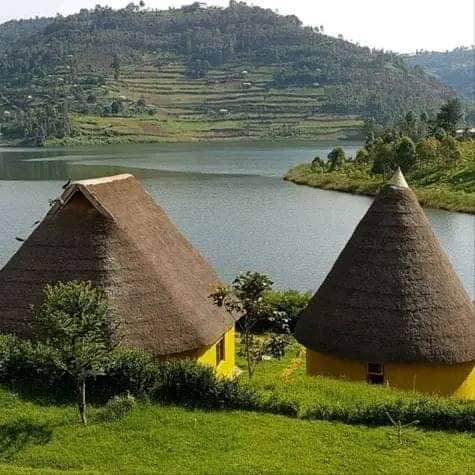
Baheka Travel’s homestay program in Nyabushabi Village is one example. You sleep in a local home, eat meals prepared with ingredients from the surrounding gardens, and spend time with families whose daily rhythm has nothing to do with tourism. The impact of tourism on local communities in Uganda shows up here in a direct, unglamorous way: your stay fee goes to the household. There’s no intermediary hotel chain skimming a percentage.
I’ll be honest, homestays aren’t for everyone. The beds are simple. The bathrooms are basic. But if you want to understand how people actually live in rural southwestern Uganda, there’s no faster route. The smell of wood smoke in the morning kitchen, the sound of children heading to school before 7am, the texture of banana leaves used to wrap food. These aren’t curated moments. They’re Tuesday.
Planning an eco-friendly safari Uganda visitors can feel good about starts with three decisions: where you go, who you go with, and when.
Community-owned operators like Baheka Travel & Safaris route profits directly to local members and projects. That’s a structural difference from operators headquartered in Nairobi or London. Ask any company you’re considering: where does the money go after the trip ends? If they can’t answer clearly, that tells you something.
Gorilla trekking permits Uganda issues through the Uganda Wildlife Authority cost $800 per person. They sell out, especially during the dry seasons (June through September and December through February). The best time for gorilla trekking in Uganda falls in these drier windows. Trails are less muddy, visibility improves, and the forest floor is firmer underfoot. But wet season has its own appeal: fewer trekkers, greener canopy, lower lodge rates.
Book permits at least 3 to 6 months in advance. Baheka Travel handles the permit process for guests on their Uganda safari tours, which removes a layer of logistical stress.
Long pants. Sturdy hiking boots with ankle support. Insect repellent. Rain gear regardless of season, because Bwindi’s forest doesn’t follow weather forecasts. Gloves help when you’re grabbing branches on steep sections. Leave the bright colors at the lodge.
Planning Factor | Detail |
|---|---|
Gorilla permit cost | $800 per person per trek |
Best dry months | June–September, December–February |
Advance booking window | 1–6 months recommended |
Bwindi park area | 321 square kilometers |
Trek group size | Small, limited by UWA regulations |
Trek duration with gorillas | Maximum 1 hour |
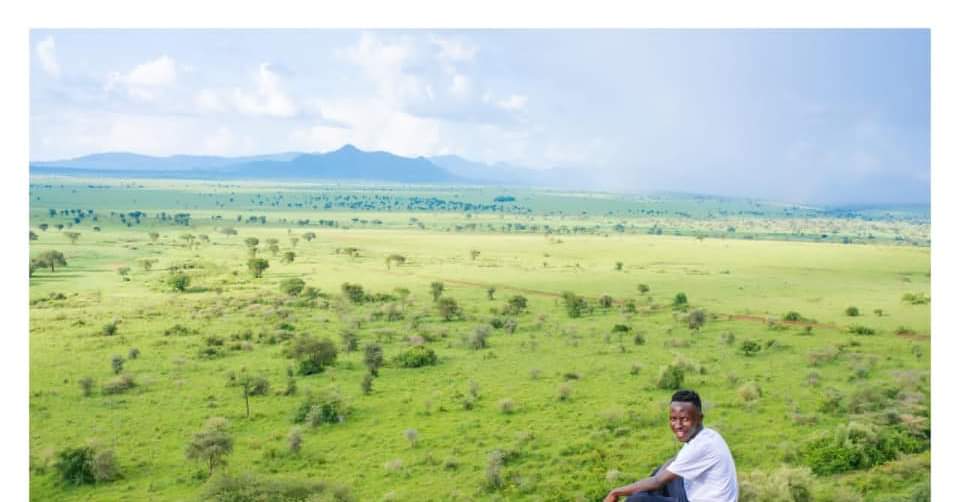
Top eco-friendly lodges in Uganda cluster around the parks, and the best ones keep their footprint small. Near Bwindi, expect lodges that use solar power, harvest rainwater, and employ staff from neighboring villages. Some are basic. A few are surprisingly comfortable. None of them are trying to be a Hilton, and that’s the point.
Baheka Travel’s 11-day homestay experience prices start at $1,610 per person, with discounts for groups of 2, 4, or 6 sharing accommodation. That rate covers airport transfers, three meals daily, transport, a guide, an interpreter, and bottled water. Permits for gorilla tracking ($800) and chimpanzee tracking ($250) are separate.
If you’re after something between a homestay and a lodge, Baheka arranges local hotel bookings across the region. The accommodations won’t win design awards. But you’ll sleep well, eat local food (the matoke and groundnut sauce in this part of Uganda is genuinely good), and wake up close to the parks.
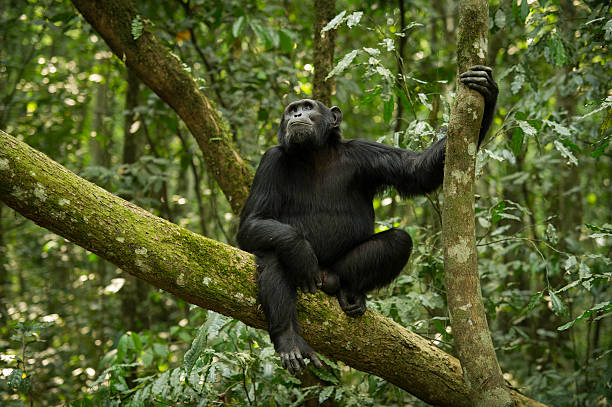
Uganda wildlife safaris reviews often focus on gorillas, and fairly so. But the country’s safari circuit runs deeper than Bwindi.
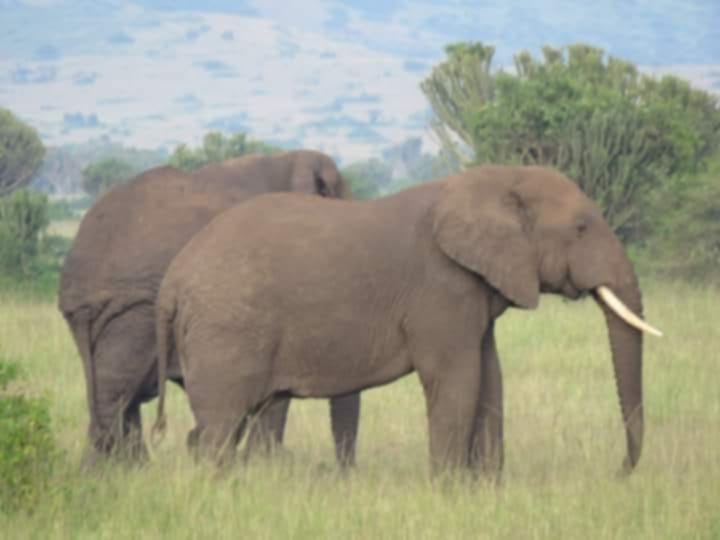
At 1,978 square kilometers, Queen Elizabeth National Park stretches across the western Rift Valley. The 5-day Bwindi and Queen Elizabeth itinerary combines gorilla tracking with game drives on the Kasenyi Plains and a boat cruise along the 32-kilometer Kazinga Channel. The channel holds one of Africa’s densest hippo populations. You’ll smell them before you see them.
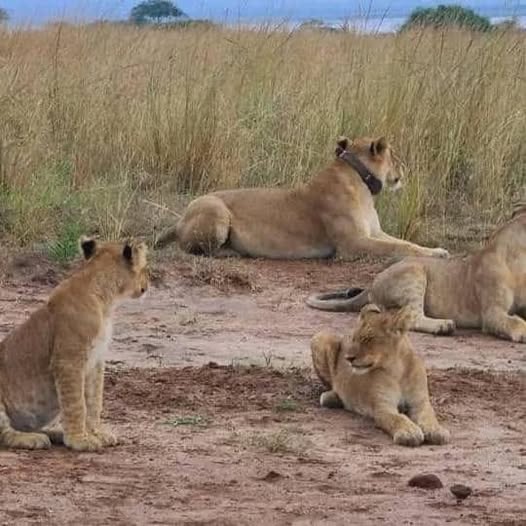
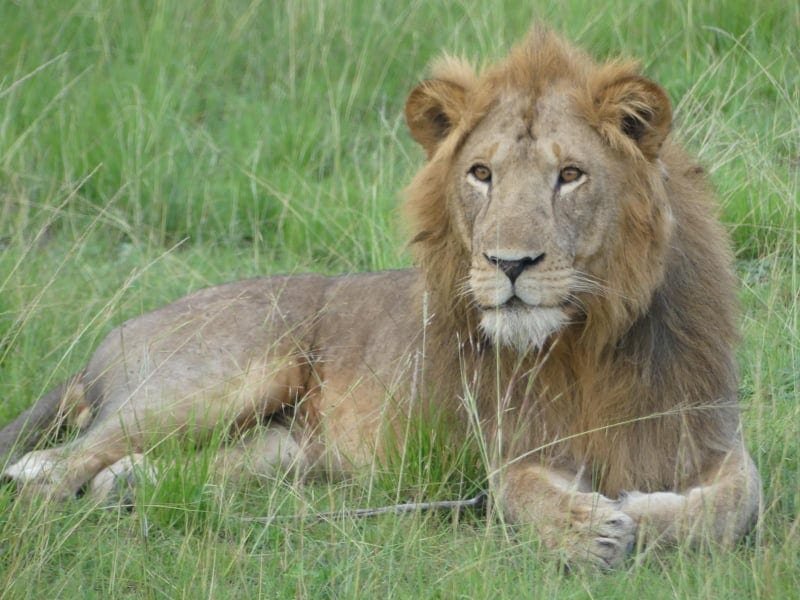
Tree-climbing lions in the Ishasha sector are the other draw. They drape themselves over fig tree branches in the afternoon heat. It’s odd to see. And it’s not guaranteed, so if you spot them, sit with it.
Uganda records over 1,000 bird species. The 8-day birding itinerary includes Mabamba Swamp for the shoebill, a bird that looks like it was designed by committee. Mabamba is reached by boat, and early morning departures give you the best chance.
Baheka Travel runs volunteer and community service trips that place travelers in schools, farms, and family settings. These aren’t photo opportunities. You’ll feed animals, work in gardens, teach or learn a language, and eat meals prepared at home. The company calls participants “voluntourists,” and the trips combine community work with wildlife excursions.
The difference between an eco-friendly safari Uganda travelers read about and one that actually functions comes down to ownership. Baheka Travel is community-owned. That’s not a tagline. It means profits go to registered group members. It means guides are hired locally, over 89 across operating regions. It means the company’s founder, Herbert Bagyenyi Kajoki, is a charter president of the Rotary Club of Lake Bunyonyi and a Rotarian whose community ties predate the business.
When you book through a community-owned operator, your trip cost doesn’t leak out of the country. It stays in Kabale. It stays in the villages around Bwindi. It pays for the guide’s children to attend school. I think that matters more than thread count.
Baheka Travel works with over 45 travel partners and is listed on SafariBookings.com. Trips range from 3 to 18 days, priced from approximately $900 to $7,935 per person depending on duration and inclusions. The sustainable tourism page outlines the company’s approach in detail.
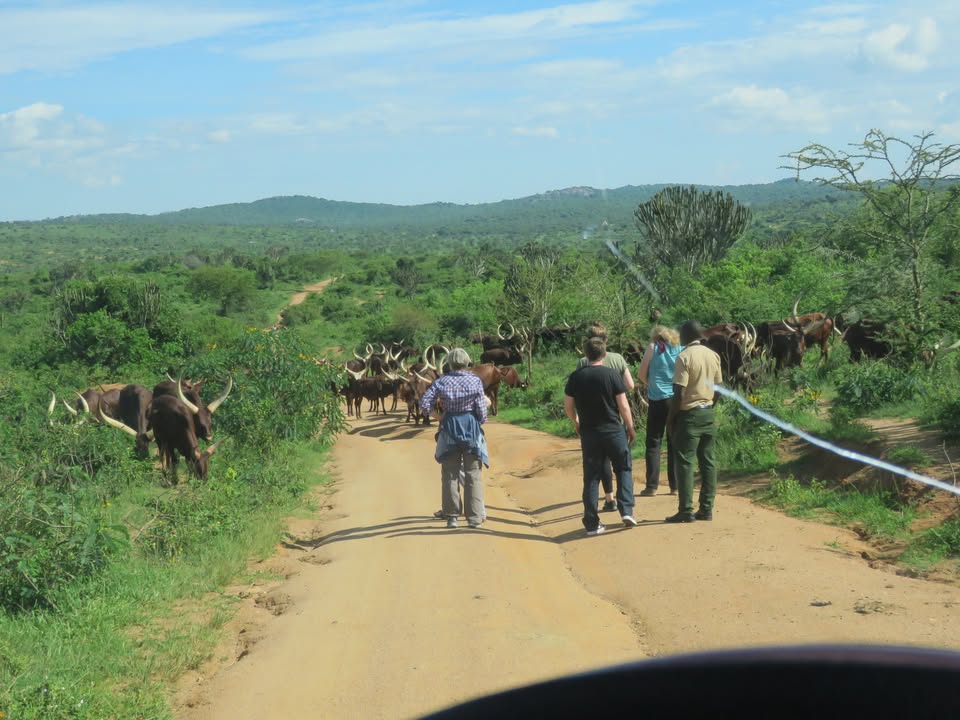
Sustainable safari experiences in Uganda require some preparation and a willingness to adjust expectations. The parks are real wilderness. Roads between them can take 5 to 8 hours depending on conditions. Lodges prioritize function over luxury. And the best moments, a gorilla turning to look at you through the rain, a shoebill standing motionless in the swamp at dawn, tend to arrive without announcement.
Dry seasons (June through September, December through February) offer easier trekking conditions and better road access. Wet season (March through May, October through November) brings fewer crowds and lower prices, but trails get slippery and some roads become difficult.
Gorilla trekking permits at $800 per person are the single largest expense. Chimpanzee permits run $250. Park entrance fees, transport, and accommodation add to the total. Baheka Travel’s multi-day itineraries bundle most of these costs, which simplifies budgeting. The 8-day best of Uganda tour covers multiple parks and experiences in a single structured trip.
Your mileage may vary on comfort levels. But if you came to Uganda expecting a five-star resort experience, you might be looking at the wrong country. What you get instead is something harder to find: a trip where the land, the animals, and the people who live alongside them all benefit from your being there.
Rotary Club of Lake Bunyonyi
Rotary Club of Lake Bunyonyi
Rotarian
Rotary International
SafariBookings.com representation
SafariBookings.com
Sustainable safari experiences in Uganda are deeply integrated with wildlife conservation and community support. Each $800 gorilla trekking permit directly funds local conservation efforts and benefits communities surrounding the parks.
Wildlife conservation Uganda initiatives have shaped safari experiences by protecting species and habitats. Bwindi Impenetrable Forest National Park, a UNESCO site, exemplifies this effort, providing a habitat for mountain gorillas and generating revenue for local communities.
The best time for gorilla trekking in Uganda is during the dry seasons, from June to September and December to February. These periods offer more stable trekking conditions with less mud and improved visibility.
The impact of tourism on local communities in Uganda includes direct financial benefits, such as funding for schools and clinics. Community-owned operators like Baheka Travel ensure that tourism revenue supports local development projects.
To plan a sustainable safari in Uganda, choose community-owned operators, book gorilla trekking permits well in advance, and select eco-friendly lodges. This approach ensures that your travel benefits both conservation efforts and local communities.
 Powered by TypeHero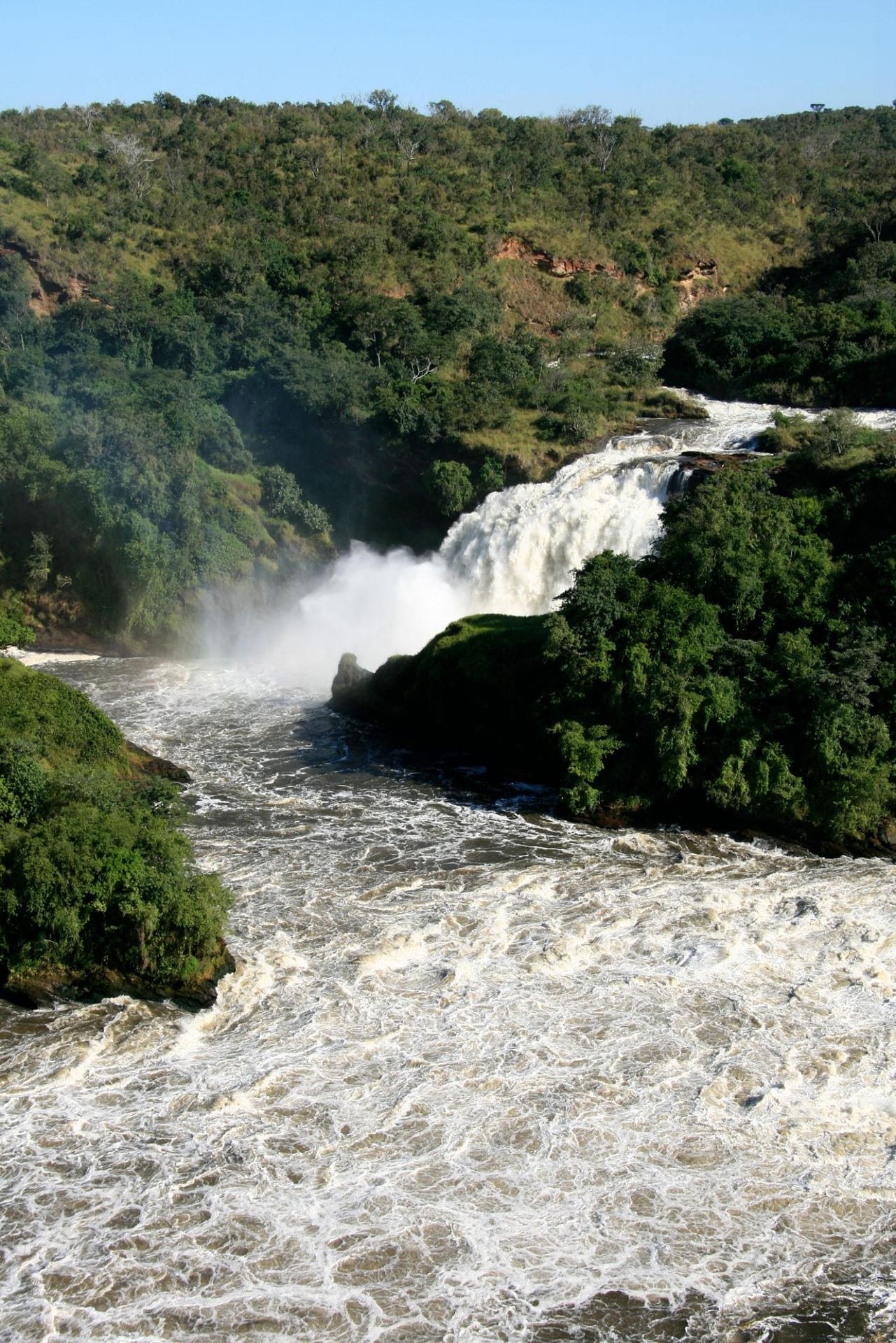
Murchison falls National Park in Uganda
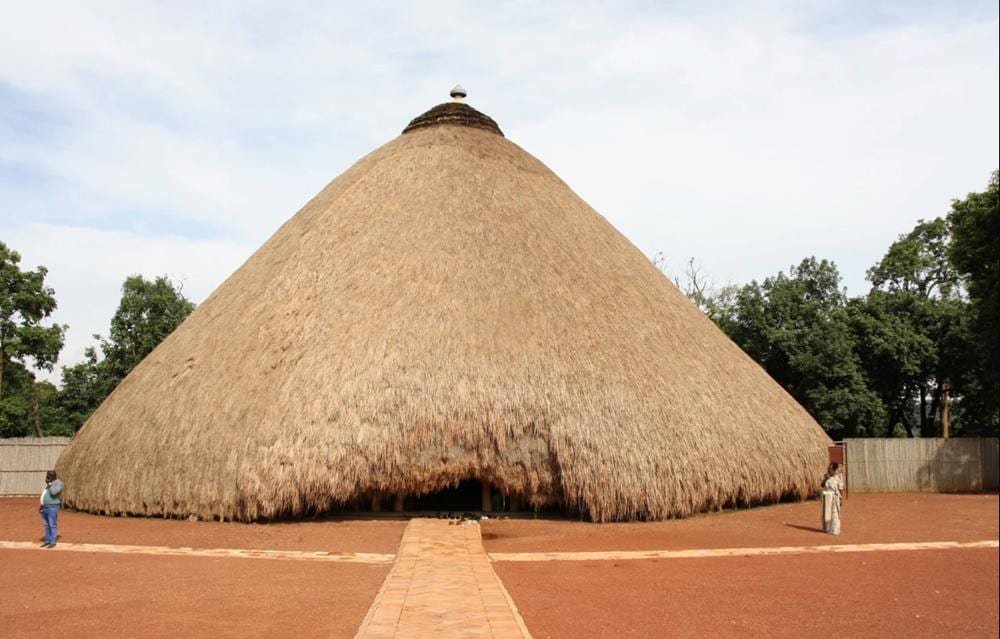
Historical Landmarks to Visit in Kampala: A Local’s Walking Guide
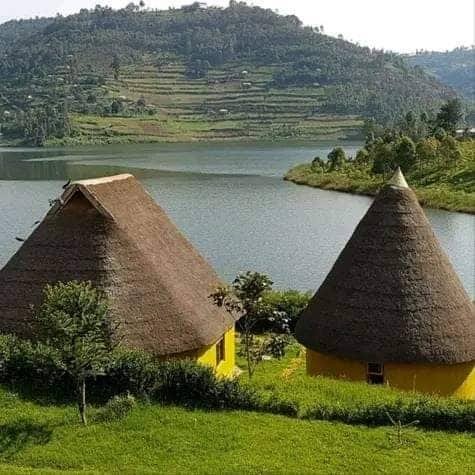
Homestay Accommodations for Cultural Immersion: What Actually Happens When You Move In
Gorilla trekking tours with Baheka Travel in Uganda, community-owned and guide-led
Sustainable Safari Experiences in Uganda: What Responsible Travel Looks Like Here
Mweya After Queen Elizabeth: What to Do Next on Your Uganda Safari