
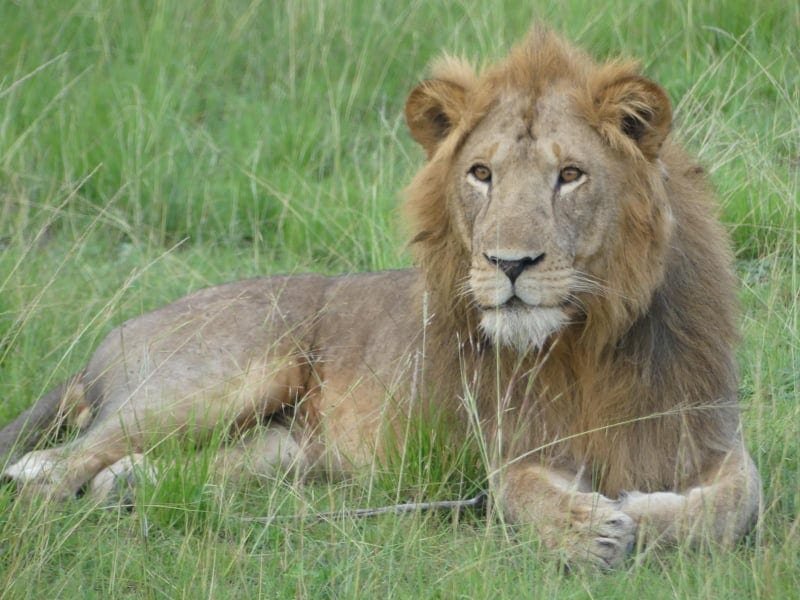

Queen Elizabeth National Park’s borders and wildlife haven’t changed; the name is still used on permits and maps.
Top highlights near Mweya: Kazinga Channel boat cruise, Kasenyi game drives, and Ishasha tree-climbing lions.
Mweya Peninsula offers strong views and easy wildlife spotting, even around the lodge.
Seasons shape sightings: dry months cluster animals near water; wet months boost greenery and birdlife.
The Mweya after Queen Elizabeth update matters to anyone planning Uganda wildlife safaris in the coming months. Queen Elizabeth National Park, Uganda’s most visited protected area at 1,978 square kilometers, hasn’t changed its borders or its wildlife. What’s shifted is the conversation around the name, the lodge, and what travelers should actually prioritize when they get there. If you’re building an itinerary that includes the Kazinga Channel, the Ishasha sector, or Mweya Peninsula itself, here’s what you need to know right now.
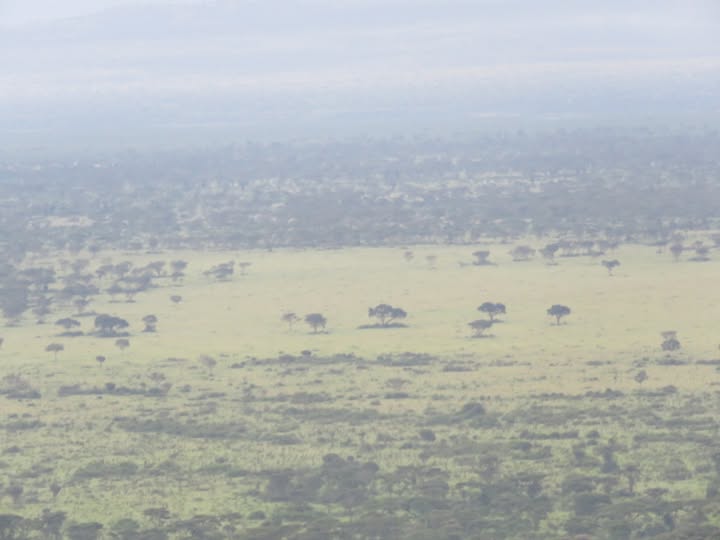
Queen Elizabeth National Park spans the western arm of the Great Rift Valley, stretching from the foothills of the Rwenzori Mountains to the shores of Lake Edward and Lake George. The park supports over 95 mammal species and more than 600 bird species, one of the highest counts for any East African reserve.
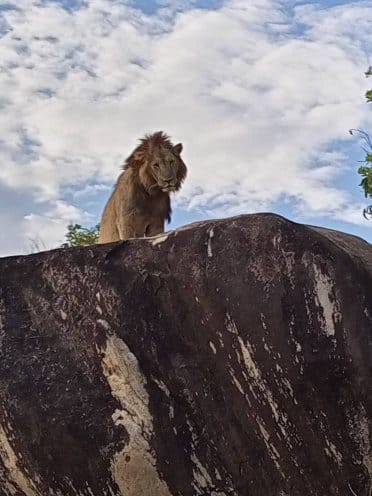
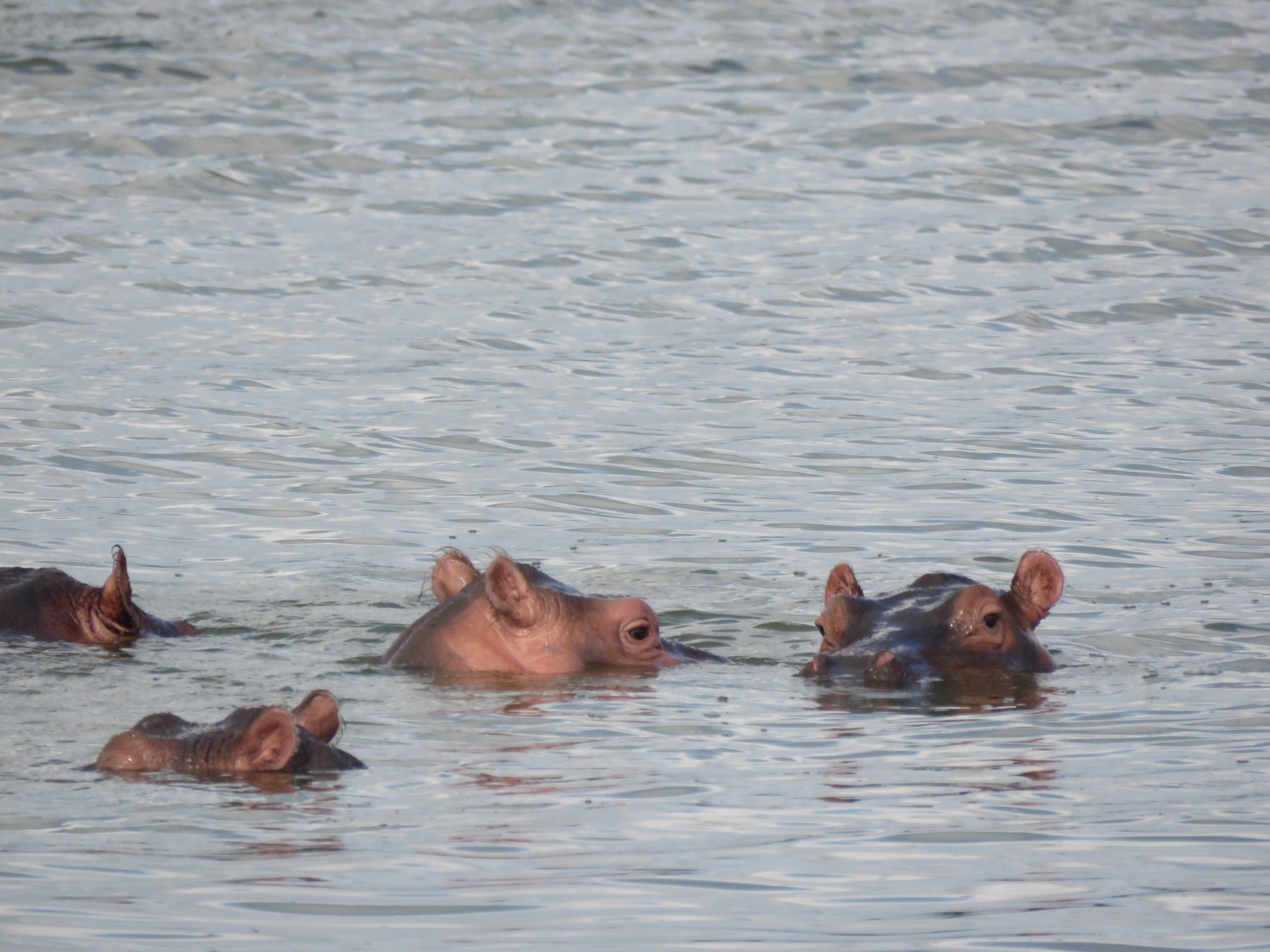
The park’s name honors Queen Elizabeth II, who visited Uganda during her Commonwealth tour in 1954. Queen Elizabeth’s historical significance to the park is real, but the animals don’t care about names. You’ll still find tree-climbing lions in Ishasha, elephants along the Kasenyi Plains, and hippos packed so tightly in the Kazinga Channel that the boat barely needs to slow down.
I’d argue the Kazinga Channel boat cruise is the single best wildlife-viewing hour you can spend in Uganda. The 32-kilometer waterway connecting Lake Edward and Lake George concentrates buffalo, hippos, crocodiles, and dozens of waterbird species into a narrow corridor. You’re maybe ten meters from the bank.
“Traveling with Baheka Travel was fantastic; the entire trip was tailor-made to your needs. Herbert organized everything perfectly and made my dream of seeing and experiencing Uganda come true. I would recommend him to anyone for any need. The driver, Jimmy, was equally fantastic, showing me beautiful places and explaining everything about Ugandan culture and its flora and fauna. He was a true expert on everything. He even lent me a very interesting book that was useful for birdwatching. Travel with Baheka; they are expert, local guides. I will definitely choose them again in the future!”
— Alex Carsana · Verified Google review · ★ 5.0
Mweya Peninsula sits on a raised plateau between the Kazinga Channel and Lake Edward, roughly 420 kilometers from Kampala (about a 6-hour drive, or a short charter flight to Kasese Airstrip, then 90 minutes by road). The lodge itself occupies one of the best positions in the park.
Here’s what to do at Mweya Safari Lodge and the surrounding area:
Kazinga Channel boat cruise (2 hours, departures typically at 9am and 3pm)
Morning game drives on the Kasenyi and Queens Mile tracks
Ishasha sector day trip for tree-climbing lions (roughly 2.5 hours south of Mweya)
Guided nature walks on the peninsula with armed ranger escorts
Birding walks along the channel banks, best between 6:30am and 8am
Crater lake drives through the explosion crater area north of the park
Mweya Safari Lodge reviews consistently mention the terrace views over the channel as a highlight. Honestly, even if you do nothing else, sitting on that terrace with binoculars and a cold Nile Special while hippos grunt below is a solid afternoon.
The royal family website changes following Queen Elizabeth’s death in September 2022 triggered questions about whether the park would be renamed. The King Charles update to the royal family’s public identity has been largely administrative, and Uganda’s government has made no formal announcement about altering the park’s name.
This matters for trip planning only in a practical sense: the park’s official name remains Queen Elizabeth National Park, and that’s what appears on permits, maps, and Uganda Wildlife Authority documentation. If you’re booking through a tour operator like Baheka Travel, the itinerary will reference the park by its current name.
The deeper point is that the park’s identity was always more about the landscape and the communities around it than about the monarchy. Local guides from the Kasese and Rubirizi districts have been leading visitors through this terrain for decades. The royal family changed after Queen Elizabeth’s death, but the morning mist over the crater lakes hasn’t.
Baheka Travel organizes Uganda wildlife safaris that include Queen Elizabeth National Park as part of multi-day itineraries, typically combined with gorilla tracking in Bwindi Impenetrable National Park (about 4 hours south of Mweya). A 4-day itinerary covering both Bwindi and Queen Elizabeth starts at approximately $3,586 per person for groups of three.
What you get with a community-owned operator is different from a large international outfit. Baheka’s guides are from the region. They know which crater lake has the flamingos this month, which Ishasha fig tree the lions favor in the dry season, and where to stop for the best view of the Rwenzoris on a clear morning. That local knowledge is the difference between a game drive and actually understanding what you’re looking at.
The company works with over 45 travel partners and 89 guides across Uganda, Rwanda, Kenya, and Tanzania. Trips range from 3 to 18 days. If you’re building an itinerary around Mweya, the 4-day or 8-day packages give you enough time to experience the beauty of Queen Elizabeth National Park without rushing.
Not everything worth doing at Mweya involves a vehicle. The peninsula itself is a contained ecosystem. Vervet monkeys raid the breakfast buffet (this might just be personal preference, but I find them more entertaining than annoying). Warthogs trot across the lawn at dusk. Monitor lizards sun themselves on the rocks near the pool.
The explosion crater area north of the park boundary contains over 30 crater lakes, some turquoise, some deep green, set into steep-sided volcanic bowls. A half-day drive through this area covers roughly 27 kilometers and gives you views that feel almost lunar in their strangeness. The craters sit between 900 and 1,500 meters elevation, and the temperature drops noticeably as you climb.
For birders, the Kazinga Channel’s north bank between the Mweya airstrip and the main jetty is productive early morning habitat. Expect African fish eagles, pied kingfishers, malachite kingfishers, and (if you’re patient and the water level is right) shoebill storks on the Lake George side.
The Mweya after Queen Elizabeth update is less about geopolitics and more about timing. Dry seasons (June to September and December to February) concentrate wildlife around water sources, and the Kazinga Channel becomes the main stage. Wet seasons (March to May, October to November) green everything up, reduce dust on game drives, and bring migratory birds.
Why visit Mweya Safari Lodge in Uganda now? Because the park’s infrastructure has been steadily improving, the Uganda Wildlife Authority has increased ranger patrols in Ishasha, and community tourism operations are stronger than they’ve been in years. The name on the gate is the same. The experience on the ground keeps getting better.
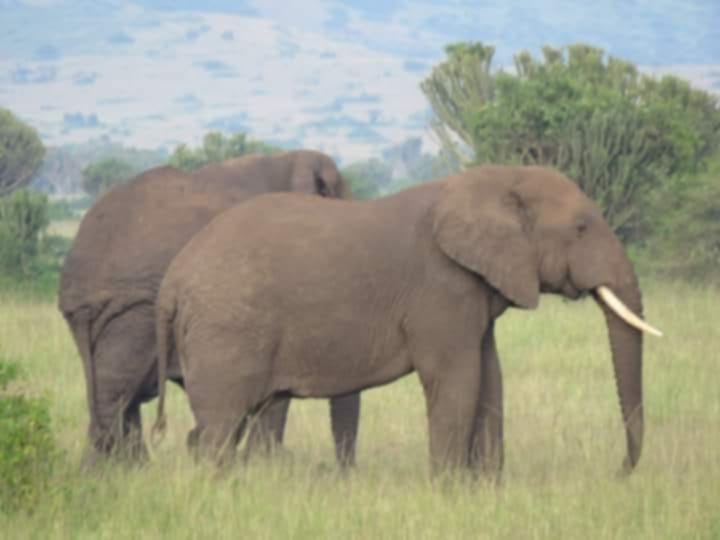
Queen Elizabeth National Park covers nearly 2,000 square kilometers of rift valley floor, crater highlands, and lake shoreline. Mweya Peninsula puts you at the geographic and experiential center of it. The Kazinga Channel boat cruise, the Ishasha tree-climbing lions, and the crater lake drives form a three-part itinerary that few parks anywhere in East Africa can match in a single visit. The royal family’s chapter turned. The park’s didn’t.
The Mweya after Queen Elizabeth update primarily affects nomenclature rather than the wildlife experience. Queen Elizabeth National Park remains unchanged in its borders and wildlife offerings, continuing to attract visitors with its rich biodiversity and iconic landscapes.
Mweya Safari Lodge offers an exceptional experience due to its prime location on the Mweya Peninsula, overlooking the Kazinga Channel. The park’s infrastructure improvements and enhanced community tourism initiatives make it an ideal time for a visit.
The royal family website changes following Queen Elizabeth’s death have not altered the park’s name or identity. Queen Elizabeth National Park retains its name and continues to focus on its rich landscapes and wildlife rather than royal affiliations.
Visitors can enjoy a Kazinga Channel boat cruise, morning game drives, and guided nature walks. The lodge also offers birding walks and crater lake drives, providing diverse activities to experience the park’s natural beauty.
To truly experience the beauty of Queen Elizabeth National Park, partake in a Kazinga Channel boat cruise, explore the Ishasha sector for tree-climbing lions, and embark on crater lake drives. These activities showcase the park’s stunning landscapes and abundant wildlife.
 Powered by TypeHero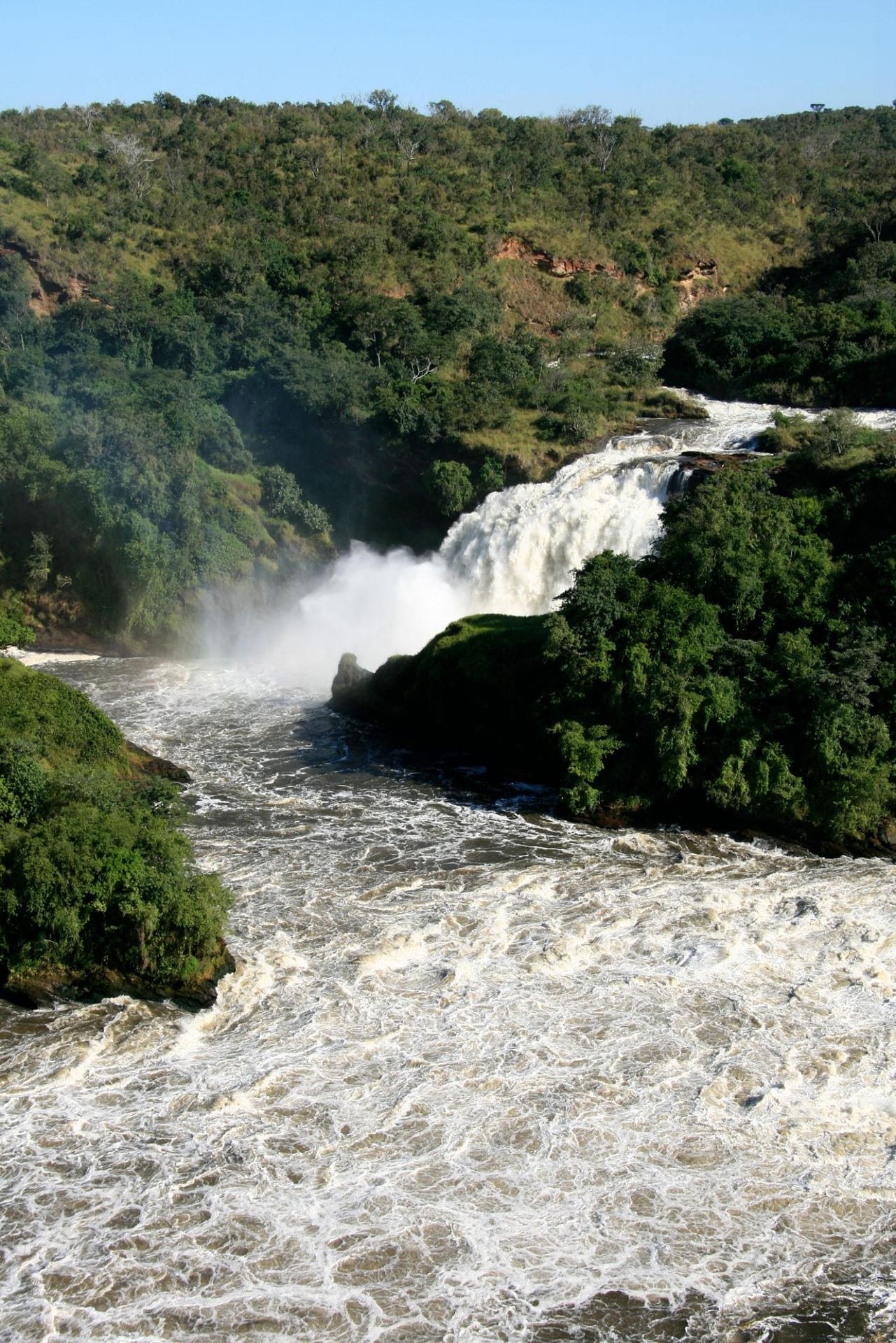
Murchison falls National Park in Uganda
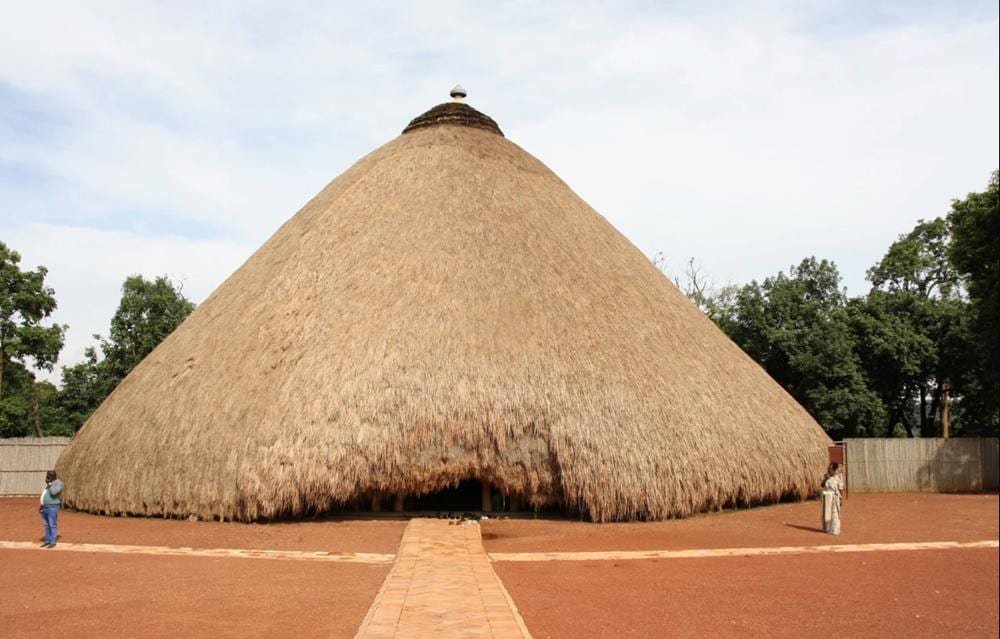
Historical Landmarks to Visit in Kampala: A Local’s Walking Guide
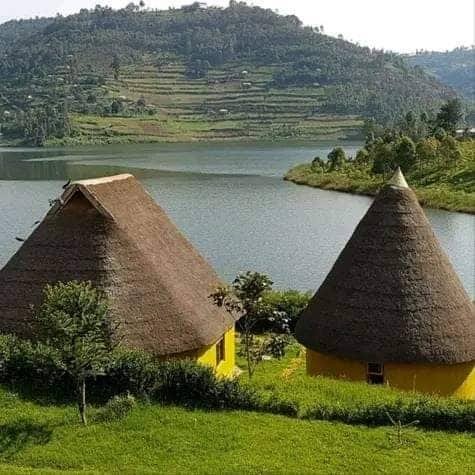
Homestay Accommodations for Cultural Immersion: What Actually Happens When You Move In
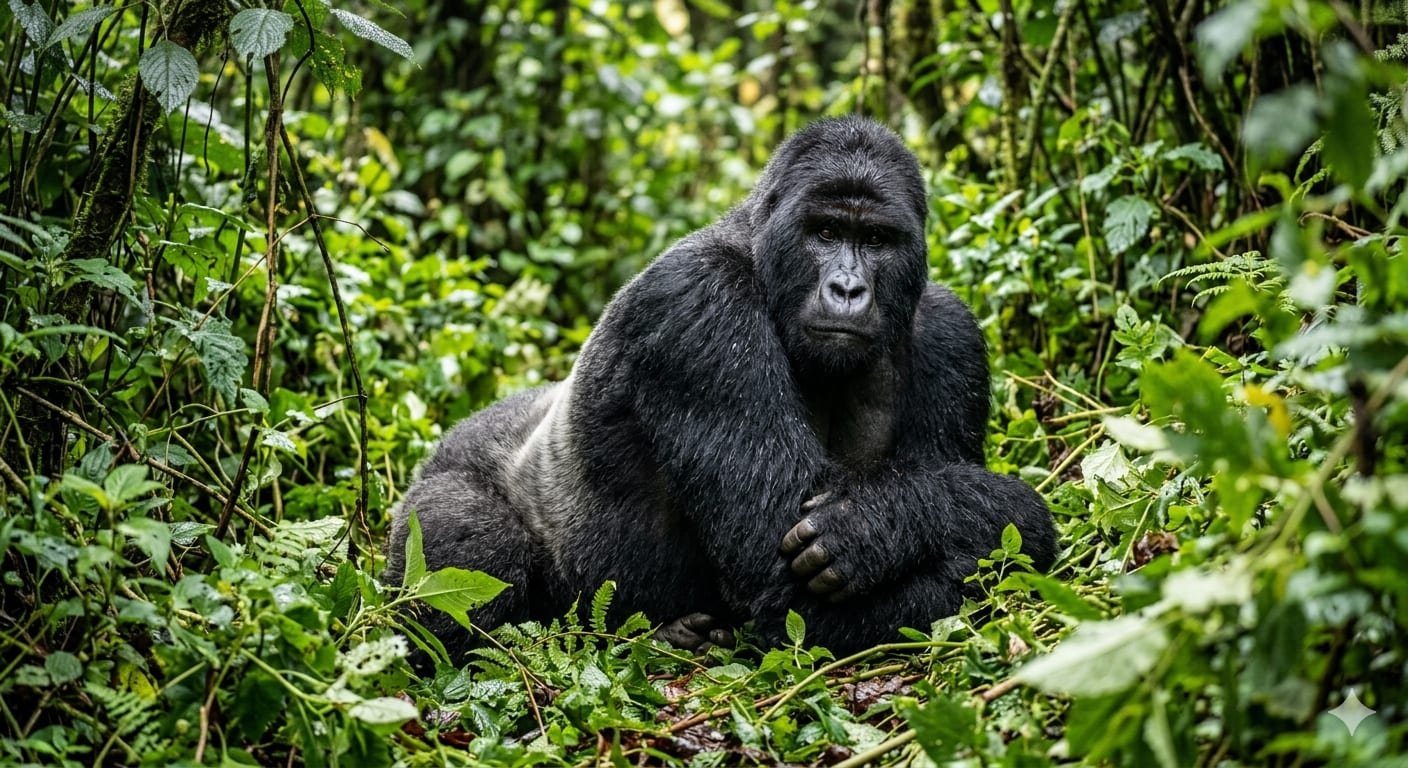
Gorilla trekking tours with Baheka Travel in Uganda, community-owned and guide-led
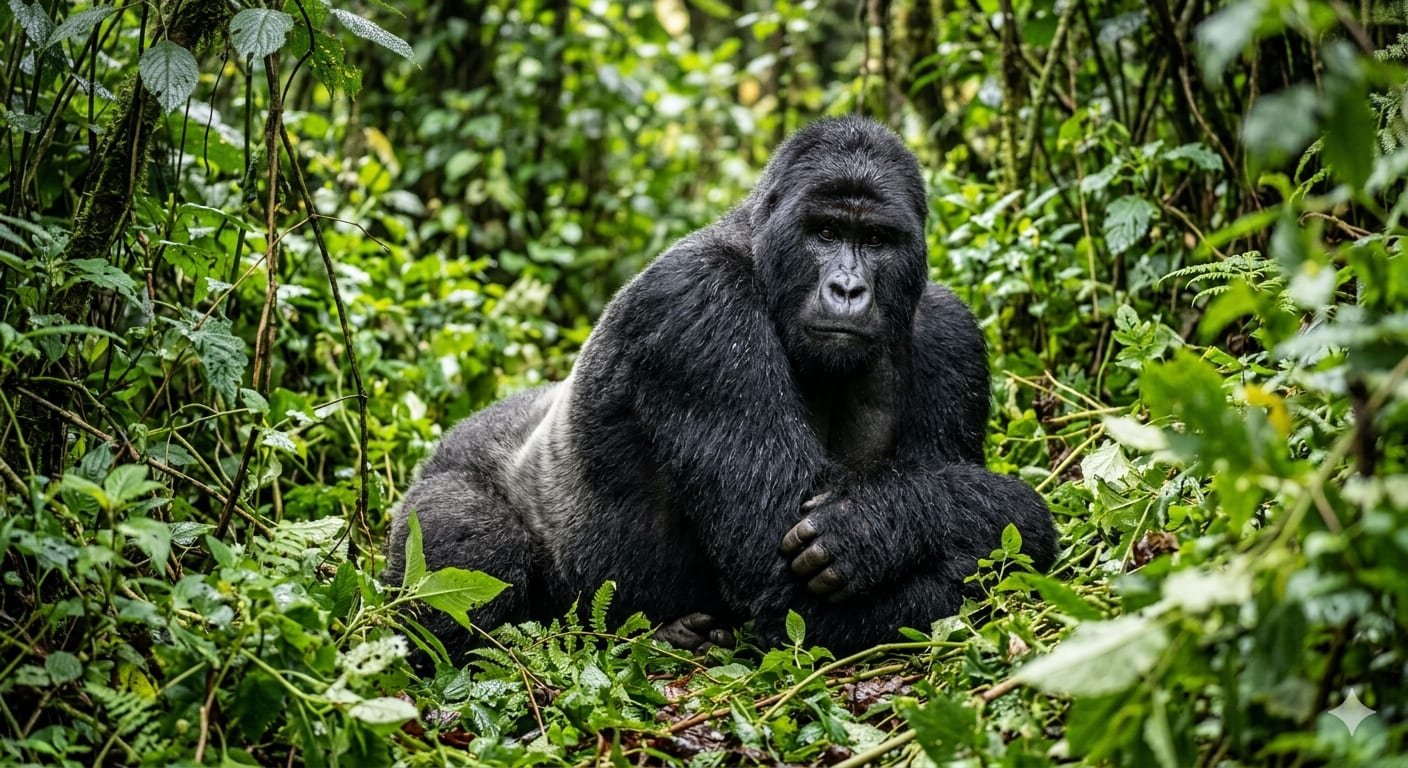
Sustainable Safari Experiences in Uganda: What Responsible Travel Looks Like Here
Mweya After Queen Elizabeth: What to Do Next on Your Uganda Safari