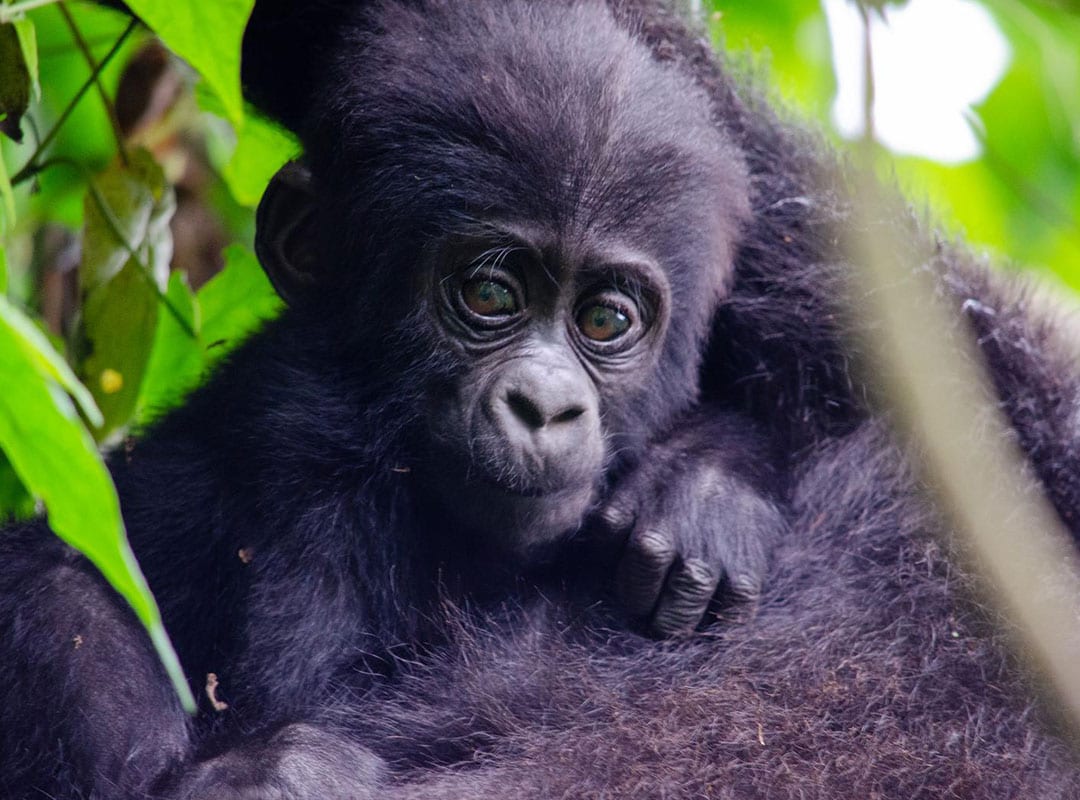
In Kabale District, in the steep green hills of southwestern Uganda, a community-owned tourism structure means the money you spend on a 3-day gorilla tracking package doesn’t disappear into a corporate account overseas. It stays. It pays for school fees, clean water projects, and conservation wages for the people who live alongside the gorillas. Baheka Travel operates within this structure, and the difference between this model and conventional tour operators is not philosophical. It’s financial. Every booking generates direct, traceable income for registered community group members and the local development projects they govern.
That’s worth understanding before you book, because it changes what your trip actually does.
The community-owned tourism model in Kabale District operates through registered local groups whose members live in the villages surrounding Bwindi Impenetrable National Park. These groups collectively own the tourism services, from homestay accommodations to guiding, transport coordination, and cultural programming. Revenue doesn’t filter through distant management layers. It’s distributed among members and reinvested into community-identified priorities.
Baheka Travel partners directly with these groups. When you book a 3-day gorilla tracking package through Baheka, the local team handles logistics on the ground: your accommodation, meals, cultural activities, and transfers. The guides are from the area. The cooks are from the area. The families hosting you are from the area. This isn’t a supply chain. It’s a neighborhood.
What makes this different from operators who claim “community benefit” without showing receipts? Transparency. The community groups hold meetings, elect leaders, and decide collectively how tourism income is allocated. You can ask, and they’ll tell you where the money went.
A 3-day gorilla tracking package through Baheka Travel in Kabale covers gorilla trekking permits (currently $700 per person for foreign non-residents), local accommodation, meals, ground transport, and a community cultural experience. But the financial impact extends well beyond your itinerary.
Here’s where the money flows:
Guide wages and porter employment for community members who know the terrain and the gorilla families by name
Homestay income paid directly to host families in villages near Bwindi
School fee contributions funded through a portion of tourism revenue allocated by the community group
Clean water and sanitation projects identified and managed by local leaders
Conservation patrol support, because the people protecting the gorillas are the same people benefiting from your visit
The smell of wood smoke from a host family’s kitchen, the particular creak of a wooden door at a village homestay at 6am, the sound of children heading to a school partly funded by tourism revenue. These aren’t marketing details. They’re the texture of what community-owned tourism actually looks like on the ground.
I’d argue this model works precisely because it’s not charity. It’s an economic structure where the community has direct incentive to protect both the gorillas and the quality of your experience.
Your three days in Kabale aren’t padded with filler. Each day has purpose, and the structure reflects both the terrain and the community’s rhythm.
You arrive in Kabale (roughly 8 to 9 hours by road from Kampala, or a short domestic flight to Kihihi airstrip followed by a 2-hour drive). The afternoon is spent settling into your homestay or locally owned lodge. Your host family prepares dinner. The evening is quiet, and honestly, you’ll want it that way before the trek.
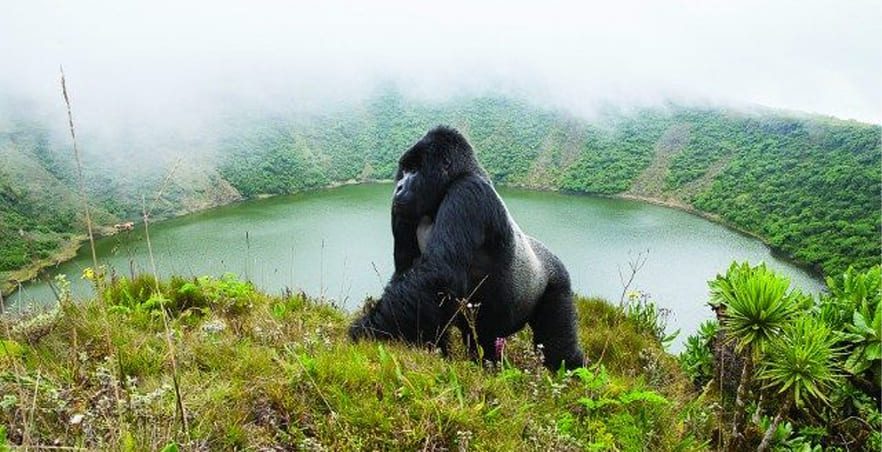
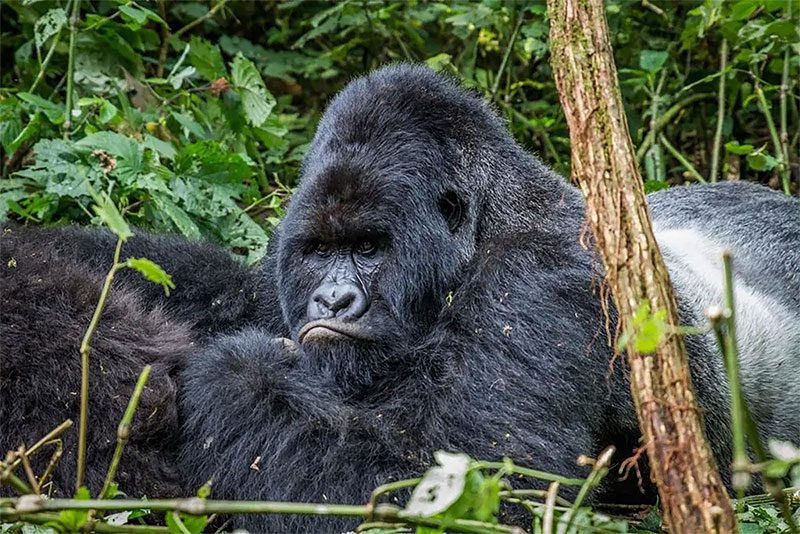
The trek starts early. Briefing at the park headquarters by 8am, then into Bwindi Impenetrable National Park with your assigned ranger and community porters. Treks range from 2 to 6 hours depending on where the gorilla family is that day. The forest is dense, wet, and steep. You’ll spend one hour with the gorillas once you find them.
One hour. It sounds short. It isn’t.
The porters (community members hired through the local group) carry your gear, help you through the mud, and know every trail junction. Tip them. They’ve earned it.
The final morning includes a community-led cultural walk: pottery, agriculture, local brewing demonstrations, and conversation with village elders. This is the part most travelers don’t expect to remember, and then do. You depart after lunch.
Component | Detail |
|---|---|
Duration | 3 days, 2 nights |
Gorilla permit | $700 per person (foreign non-resident) |
Trek difficulty | Moderate to strenuous, 2–6 hours |
Time with gorillas | 1 hour per group |
Accommodation | Community homestay or local lodge |
Cultural activity | Village walk, pottery, agriculture |
Best months | June–September, December–February (drier seasons) |
Here’s the logic that makes community-owned tourism in Kabale more than a feel-good label: when local people earn direct income from gorillas being alive and forests being intact, poaching and encroachment drop. This isn’t theory. Uganda’s mountain gorilla population has grown from an estimated 620 individuals in 1989 to over 1,000 today, according to the most recent census data. Community-based conservation around Bwindi has been a measurable factor in that recovery.
The guides who lead your trek grew up in these hills. Some of their parents were hunters. Now the same families earn more from a single tourist’s visit than a month of subsistence farming. The economic math shifted, and behavior followed.
Baheka Travel’s role in this is specific: connecting you to the community structure that already exists, handling the logistics that would otherwise be a barrier (permits, transport, scheduling), and doing so without extracting the revenue that keeps the model running.
But I should be honest about one thing. The homestay accommodations are basic. You’re sleeping in a family home, not a safari lodge. The mattress might be thin. The shower is probably a bucket. If that’s a dealbreaker, this might not be your trip. If it isn’t, you’ll find the warmth of the welcome more than compensates.
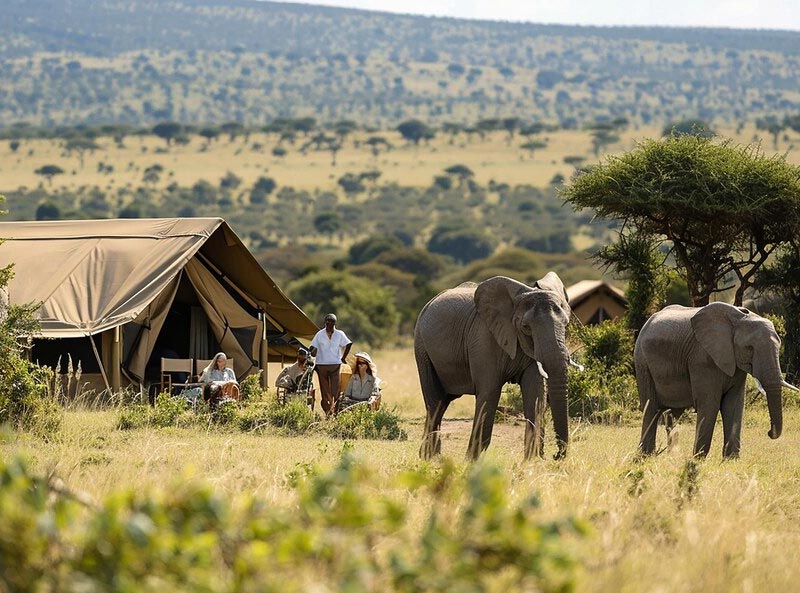
Baheka Travel is a community-rooted operator. The team is local. The partnerships are direct. There’s no intermediary skimming revenue between your payment and the people who deliver your experience.
What that means in practice:
Local hiring: guides, drivers, porters, and cooks are all from Kabale District and surrounding communities
Direct payment: homestay families and community groups receive their share without delay or deduction by a third party
Project accountability: Baheka works with community leaders to identify which development projects receive tourism funding each season
Flexible packages: the 3-day gorilla tracking itinerary can be customized to include additional days for volunteering, school visits, or extended homestays (the 11-day Nyabushabi Village homestay is the deepest version of this)
The difference between Baheka and a conventional operator isn’t just ethical positioning. It’s structural. The community groups have decision-making power over how tourism operates in their area. Baheka facilitates. The community governs.
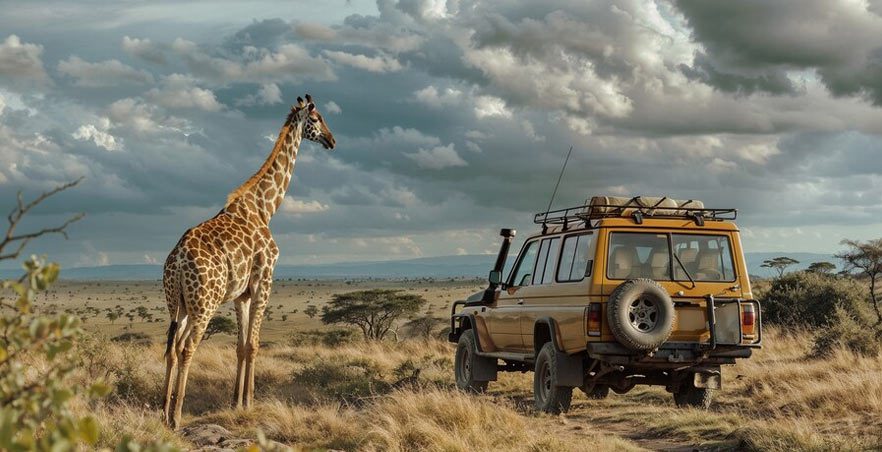
You have options when booking gorilla trekking in Uganda. Large international operators run slick itineraries with luxury lodges and professional photography packages. They’re good at what they do. But the revenue model is different. Most of your money leaves the district, and often the country, within days of your departure.
With community-owned tourism through Baheka Travel, the financial impact stays local. That’s not a small distinction when Kabale District’s economy depends heavily on agriculture and the tourism sector around Bwindi.
Factor | Community-Owned (Baheka) | Conventional Operator |
|---|---|---|
Revenue destination | Stays in Kabale District | Largely exits the region |
Accommodation | Homestays, local lodges | International-brand lodges |
Guide employment | Local community members | Mix of local and external |
Cultural access | Deep, participatory | Surface-level, scheduled |
Development funding | Direct, community-governed | CSR programs, if any |
Comfort level | Basic to moderate | Moderate to high-end |
If comfort is your top priority, a conventional operator might suit you better. If impact is, Baheka’s structure is hard to match. Your mileage may vary on where you land between those two, and that’s fine.
Kabale District’s community-owned tourism model channels gorilla tracking revenue into local wages, school fees, water projects, and conservation patrols. Baheka Travel connects you to this structure through a 3-day gorilla tracking package that includes permits, homestay accommodation, guided trekking in Bwindi Impenetrable National Park, and a community cultural experience. The gorilla population has grown past 1,000 individuals, and the communities around Bwindi are a direct reason why. Your booking is part of that equation.
 Powered by TypeHero
Queen Elizabeth National Park: What Every Visitor Should Know Before Going
Why Uganda Is Called the Pearl of Africa
Ecotourism in Uganda: What Community-Owned Travel Looks Like on the Ground
Community-Owned Tourism in Kabale: How Your Booking Funds Local Development
Uganda Safari Guides and Game Drive Value: What to Know for 2026
Gorilla Tracking Safaris in Kabale: What 2026 Travelers Need to Know