Bwindi Impenetrable Forest National Park covers 321 square kilometers of dense rainforest in southwestern Uganda, and it shelters roughly half of the world’s critically endangered mountain gorillas. That single fact draws thousands of visitors each year. But ecotourism in Uganda runs deeper than gorilla permits and guided treks. It’s a model where community ownership shapes the entire experience, where the money you spend stays in the hands of the people whose land you’re walking through, and where the line between tourism and local life blurs in ways that feel honest rather than staged.
Baheka Travel operates within this model. The company is community-rooted, locally guided, and structured so that tourism revenue flows directly to community for development projects. This isn’t a claim printed on a brochure. It’s the operating architecture.
Ecotourism in Uganda means that local people hold decision-making power over the experiences offered, the guides employed, and the way revenue is distributed. It’s not a partnership with a distant operator. It’s ownership.
Baheka Travel’s structure reflects this directly. The company specializes in gorilla tracking, chimpanzee tracking, wildlife safaris, cultural heritage tours, community tourism, agritourism, and travel volunteering, among other offerings. Each of these is designed and delivered by local teams with direct ties to the communities you’ll visit.
The 11-day Nyabushabi Village homestay is a good example. You sleep and eat with a host family. You participate in agriculture activities, visit local schools, try your hand at pottery, and share meals that someone’s grandmother actually cooked (not a hotel kitchen approximation). The smell of wood smoke and fresh-ground millet flour in the morning is part of the deal.
I’d argue this kind of depth is what separates ecotourism from eco-labeled tourism. One is lived. The other is marketed.
Bwindi Impenetrable Forest National Park, a UNESCO World Heritage Site, is the primary destination for mountain gorilla tracking in Uganda. The forest’s thick vegetation, towering trees, and layered canopy create the conditions these gorillas need to survive. Roughly 659 mountain gorillas live here (out of an estimated global population of just over 1,000).
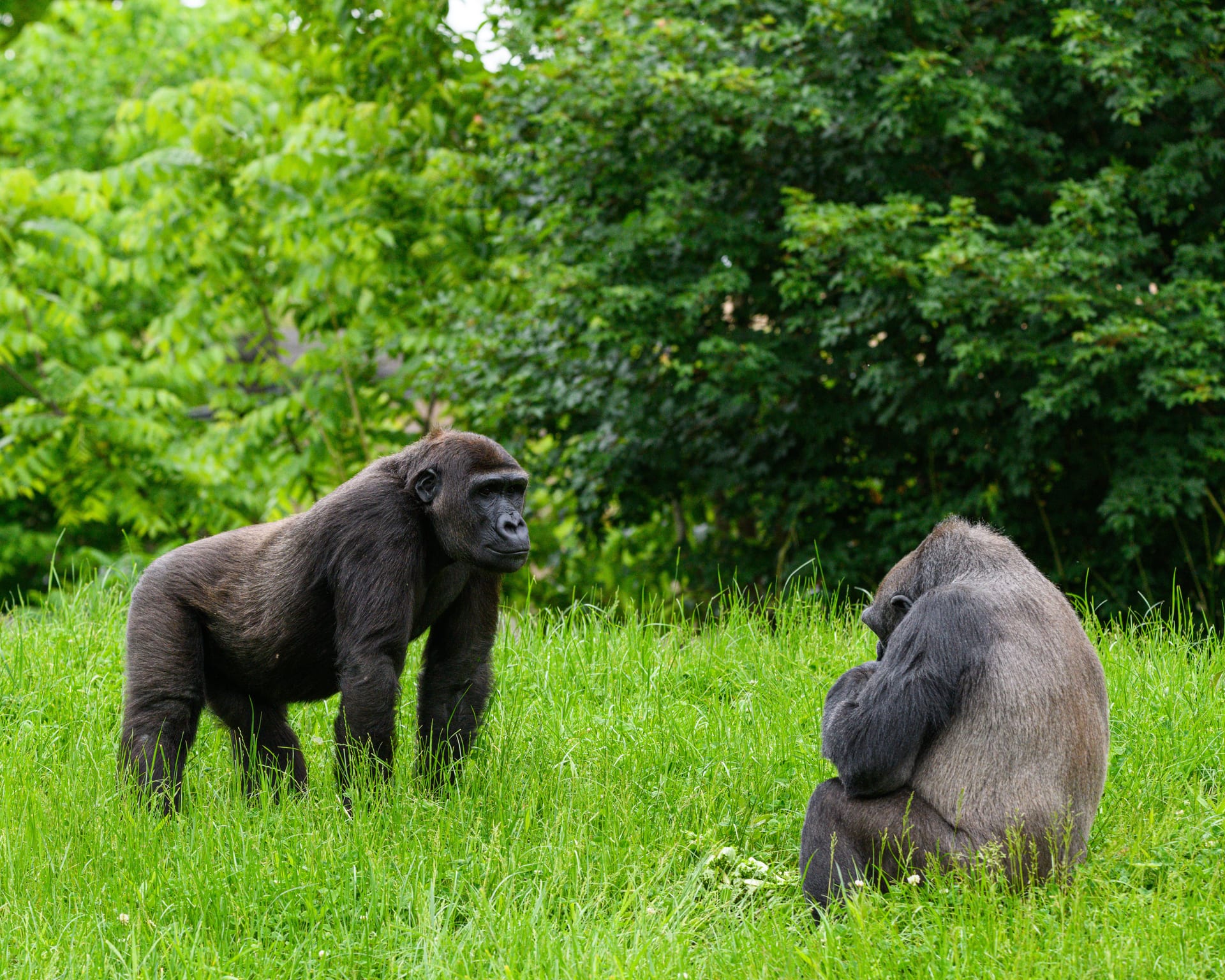
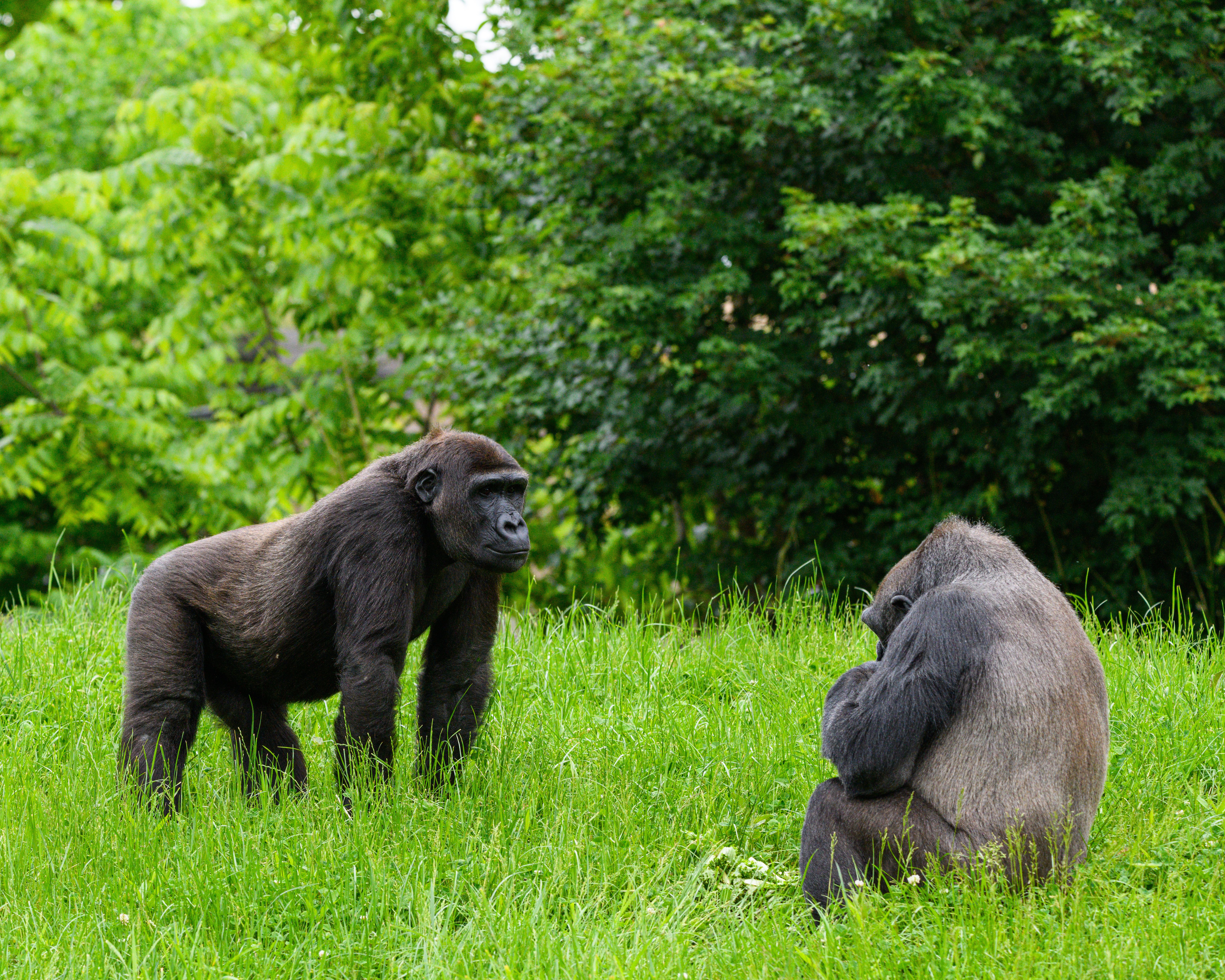
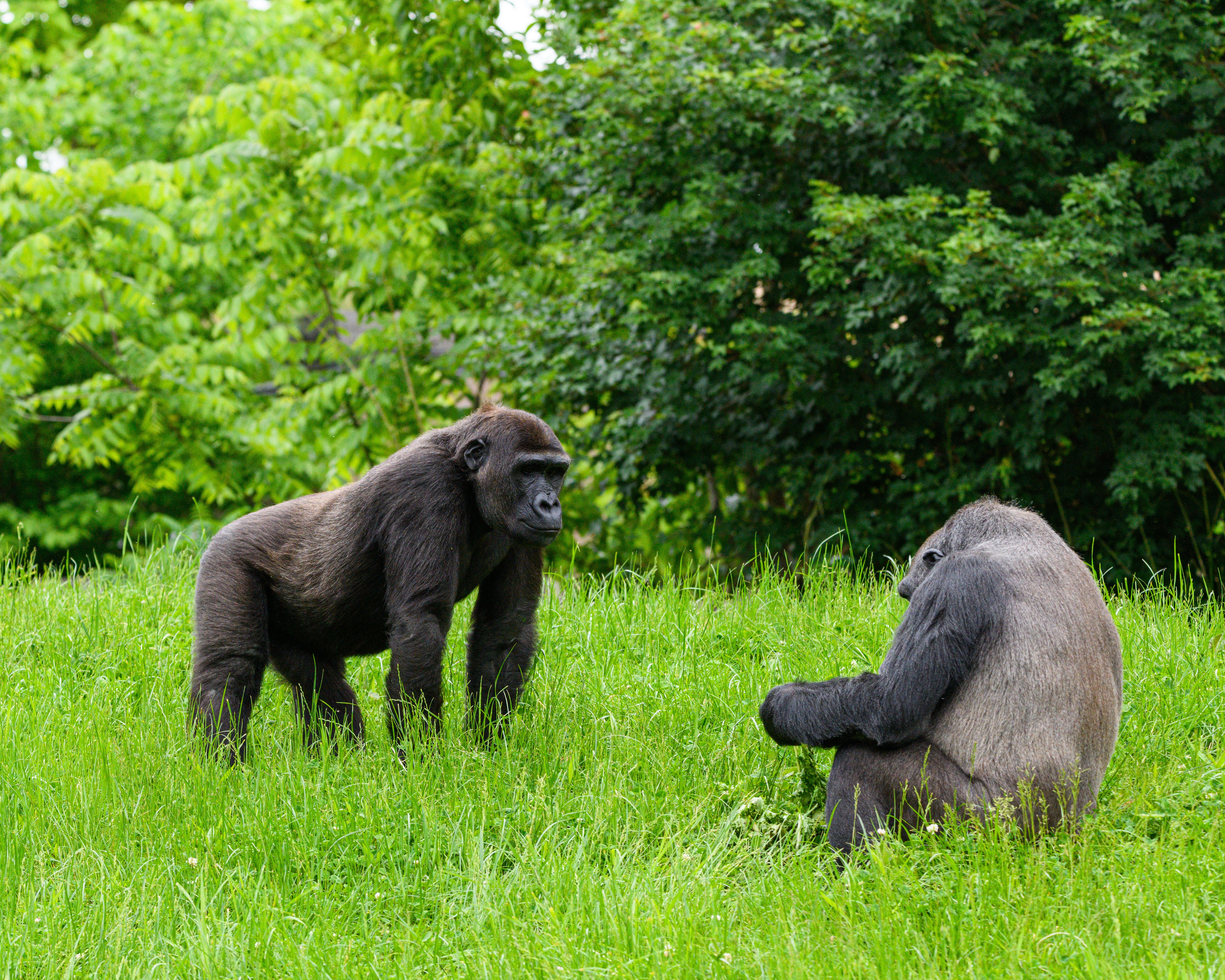
Tracking takes you through dense undergrowth, sometimes for two hours, sometimes for six. The terrain is steep. Your boots will be caked in red mud by the time you reach a gorilla family. And then you sit, maybe ten meters away, watching a silverback pull apart bamboo shoots while juveniles roll through the undergrowth.
The experience lasts about one hour with the gorillas. That’s the regulation.
Baheka Travel offers a 3-day gorilla tracking trip designed for travelers who want to get in, experience the trek, and get out without filler days. There’s also a 4-day option that combines gorilla tracking with Queen Elizabeth National Park, which adds savanna wildlife and the Kazinga Channel to the itinerary. The 8-day wildlife trip covers broader ground across Uganda, with costs starting at $3,250 per person for groups of four.
What matters here is that the guides are local. They know the forest because they grew up at its edge. That knowledge isn’t scripted.
Uganda’s ecotourism isn’t limited to primates. The country holds ten national parks, and the range of ecosystems, from equatorial rainforest to open savanna to crater lakes, supports an extraordinary density of species within a country roughly the size of Oregon.
Queen Elizabeth National Park alone hosts 95 mammal species and over 600 bird species. The Kazinga Channel, a 32-kilometer natural waterway connecting Lake Edward and Lake George, is one of the best places in East Africa to see hippos and Nile crocodiles from a boat at close range.
Experience | Location | Duration | Best Season |
|---|---|---|---|
Gorilla tracking | Bwindi Impenetrable Forest | 1 hour with gorillas | June to September, December to February |
Chimpanzee tracking | Kibale Forest National Park | 2–3 hours in forest | Year-round, drier months preferred |
Game drives | Queen Elizabeth National Park | Half-day or full-day | June to September |
Boat safari | Kazinga Channel | 2 hours | Year-round |
Bird watching | Multiple parks and wetlands | Half-day to multi-day | November to April (migratory species) |
Baheka Travel builds itineraries across these locations, and the emphasis is always on local guides, locally owned accommodation, and direct community benefit. The 8-day wildlife trip, for instance, moves through multiple parks with a local team handling logistics, transport, and interpretation throughout.
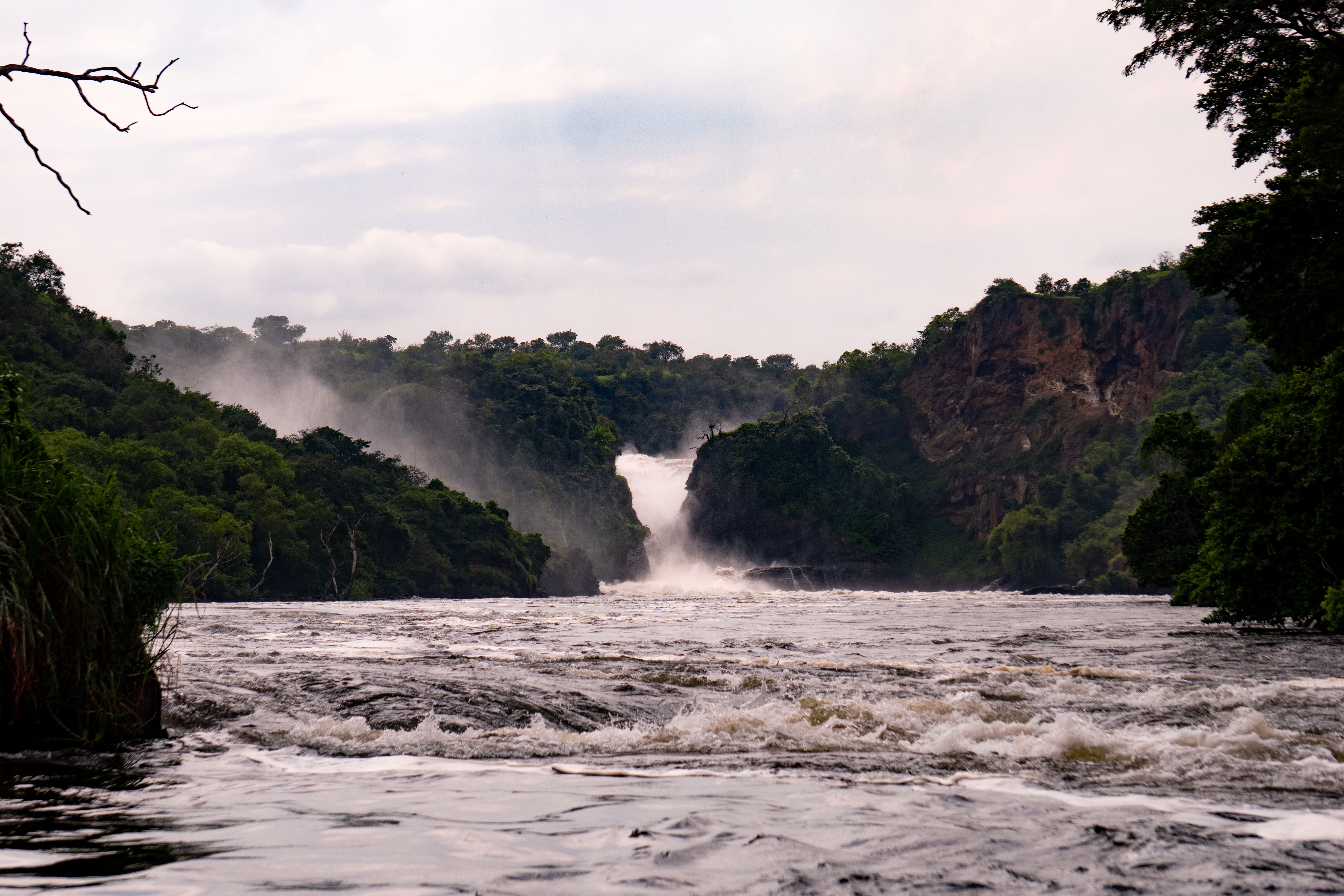
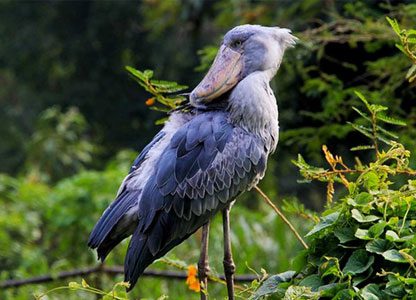
Uganda holds over 1,060 recorded bird species, which places it among the top birding destinations on the continent. The shoebill stork, one of Africa’s most sought-after birds, is found in Uganda’s papyrus swamps, particularly around Mabamba Bay on Lake Victoria (about a 90-minute drive from Kampala).
Baheka Travel includes bird watching as a standalone offering and as a component of broader itineraries. But the company also runs agritourism experiences, water cruises, nature walks, and photo safaris. These aren’t afterthoughts. They’re built around the same community-ownership model, with local guides who know the terrain and the species intimately.
Honestly, the birding alone could justify a trip. Uganda’s diversity per square kilometer is hard to match anywhere else on the continent.
Ecotourism in Uganda extends into voluntourism and cultural heritage in ways that feel substantive rather than performative. Baheka Travel runs travel volunteering and community service trips, student trips and immersion programs, and cultural heritage tours, all structured around direct participation in community life.
The homestay model is central. You’re not observing a demonstration. You’re grinding grain, walking to the water source, sitting in on a classroom. The texture of daily life, the cool morning air at 1,500 meters elevation, the sound of children reciting lessons through an open window, these details aren’t curated for you. They’re just happening.
This matters if you’re the kind of traveler who’s tired of impact-washing. Baheka Travel’s community-owned structure means the host family you’re staying with is a direct beneficiary of your visit. The school you’re visiting receives support from tourism revenue. The guide explaining local agriculture practices is a member of the community group that runs the operation.
It’s not perfect. Accommodation is basic. Hot showers aren’t guaranteed. But you’re not paying for the décor. You’re paying for something real.
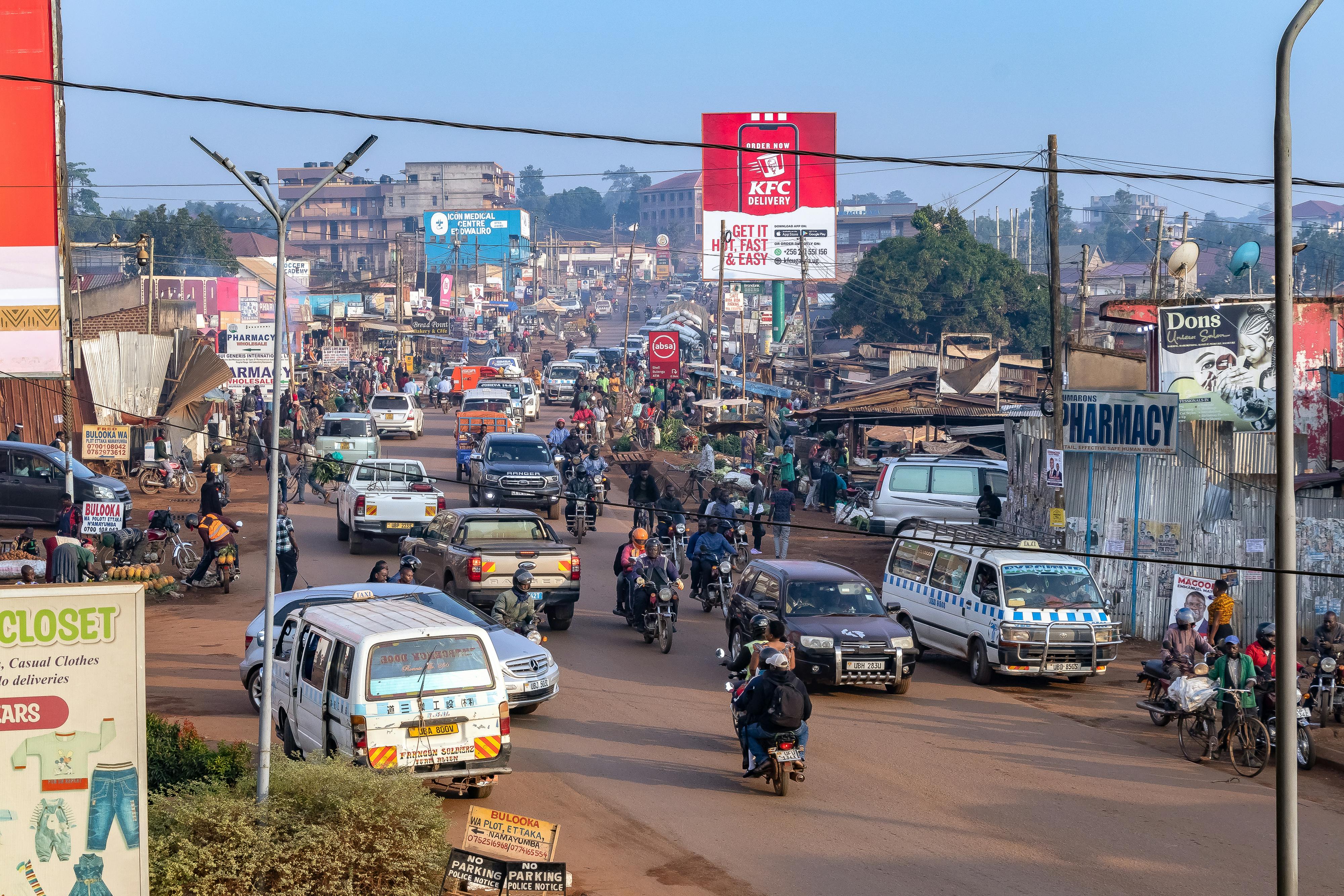
Uganda sits on the equator, so temperatures stay relatively consistent year-round (averaging 25–29°C in lower elevations, cooler in the highlands). The two dry seasons, June to September and December to February, are the most popular for gorilla tracking and wildlife safaris. Trails are less muddy, and visibility improves.
The wet seasons (March to May, October to November) bring heavier rain but also lower permit availability pressure, greener landscapes, and migratory bird species. If birding is your priority, November through April is the window.
A few practical notes:
Gorilla tracking permits are managed by the Uganda Wildlife Authority and cost $800 per person (as of the most recent published rates)
Permits sell out months in advance during peak season, so book early
Yellow fever vaccination is required for entry into Uganda
The drive from Entebbe International Airport to Bwindi takes approximately 8–10 hours by road, or you can fly to Kihihi airstrip and drive the remaining 1.5 hours
Baheka Travel handles airport transfers, local accommodation bookings, and car rental as part of its service offerings
Uganda’s ecotourism model, at its best, connects conservation outcomes with community livelihoods and traveler experience in a single system. Bwindi Impenetrable Forest National Park protects 321 square kilometers of critical gorilla habitat. The revenue from tracking permits and community-based tourism funds anti-poaching patrols, school infrastructure, and local healthcare. Baheka Travel operates within this system as a community-rooted operator, with itineraries spanning gorilla tracking, wildlife safaris, bird watching, voluntourism, and cultural immersion. The structure is transparent, the guides are local, and the benefit stays where it should.
 Powered by TypeHero
Queen Elizabeth National Park: What Every Visitor Should Know Before Going
Why Uganda Is Called the Pearl of Africa
Ecotourism in Uganda: What Community-Owned Travel Looks Like on the Ground
Community-Owned Tourism in Kabale: How Your Booking Funds Local Development
Uganda Safari Guides and Game Drive Value: What to Know for 2026
Gorilla Tracking Safaris in Kabale: What 2026 Travelers Need to Know