Kabale is the main logistics hub before Bwindi; altitude is about 1,865 m.
2026 permits cost $800; about 88 permits daily across 11 habituated families, with fixed limits.
Permit includes park entry, guided trek, and 1 hour with gorillas; family is assigned trek morning.
Dry seasons (Jun–Sep, Dec–Feb) book out fastest; rainy months are harder but less crowded.
Extra costs add up: transport, lodging, meals, tips, and optional porter ($15–$20).
Kabale sits at roughly 1,865 meters above sea level in southwestern Uganda, about 420 kilometers from Kampala, and it’s the last major town before you reach Bwindi Impenetrable National Park. If you’re planning a gorilla tracking safari in Kabale, the logistics start here. Your driver-guide, your permits, your accommodation bookings, the altitude adjustment your lungs will need. Everything funnels through this town or its surroundings. And the 2026 season is shaping up to be one where early preparation matters more than usual, with gorilla trekking permits at $800 per person and demand climbing year over year.
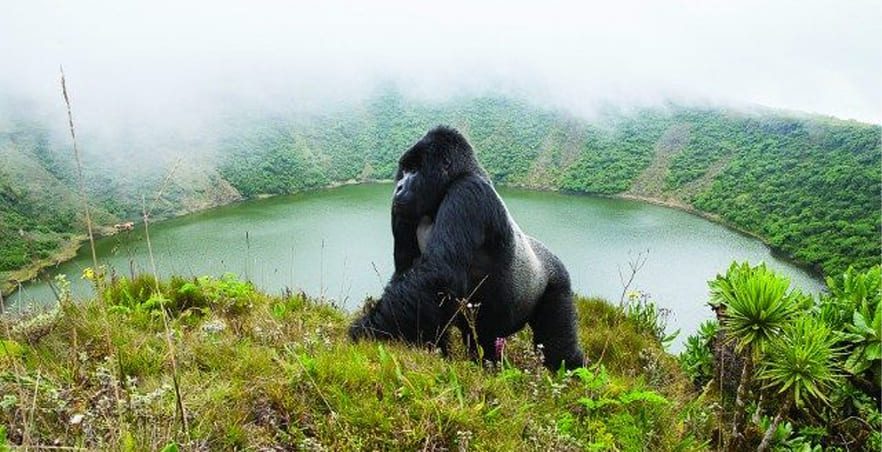
Gorilla trekking in Kabale isn’t a casual add-on. It’s the reason most people fly to Uganda in the first place. The 11 habituated gorilla families in Bwindi’s four sectors (Buhoma, Ruhija, Rushaga, and Nkuringo) mean roughly 88 permits are available per day. That number doesn’t change with demand. It’s fixed by the Uganda Wildlife Authority to protect the roughly 459 mountain gorillas living in the park.
Each gorilla tracking permit in Kabale costs $800 per person for a single trek, and this fee goes directly to the Uganda Wildlife Authority. The permit covers one hour with a gorilla family, park entrance, and the ranger-guided trek itself. You don’t get to choose which family you’ll visit. That’s assigned on the morning of your trek at the park headquarters, based on which group is accessible and your physical fitness level.
Book your permit at least three to four months before your intended trek date for the 2026 dry seasons (June through September and December through February). Peak months sell out. I’d honestly say six months ahead isn’t too cautious if you’re traveling in July or August.
The permit does not include transportation to the park, accommodation, meals, or tips for rangers and porters. Those costs add up. A porter (which you should hire, no question) runs about $15 to $20 per trek and carries your daypack while helping you navigate steep, muddy trails at elevations between 1,160 and 2,607 meters.
The trek starts before dawn. You’ll report to the designated sector headquarters by 7:30 AM, where rangers brief groups of eight visitors each. The briefing covers rules: maintain a distance of at least 7 meters from the gorillas, no flash photography, no eating or drinking near the animals, and if you need to cough or sneeze, turn away and cover your face. These aren’t suggestions.
The hike itself can last anywhere from one hour to seven hours, depending on where the gorilla family slept the night before. Trackers head out ahead of your group at first light to locate the family, then radio coordinates back to your ranger. Some days you’re lucky and the family is feeding on a hillside 40 minutes from the trailhead. Other days, you’re climbing through dense undergrowth for four hours in rain gear, boots sinking into red clay, the forest canopy so thick the light turns green.
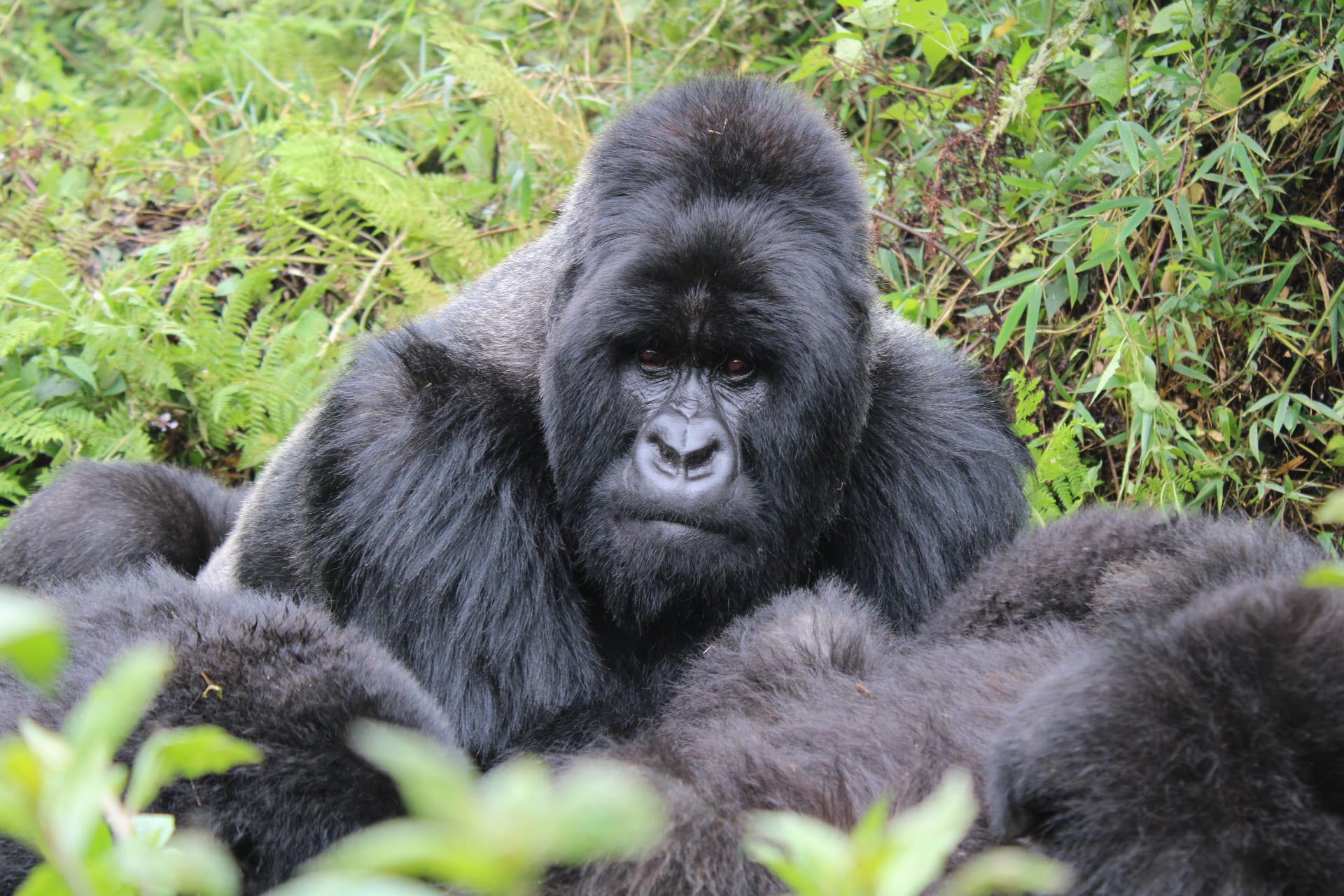
Then you find them. And the hour you spend watching a silverback tear apart bamboo shoots, or a juvenile swing from a vine while its mother grooms a sibling, is worth every blister.
The forest smells like wet earth and rotting fruit, and the only sounds are rainfall on leaves and the low rumble of gorilla vocalizations. That’s not something a photograph captures.
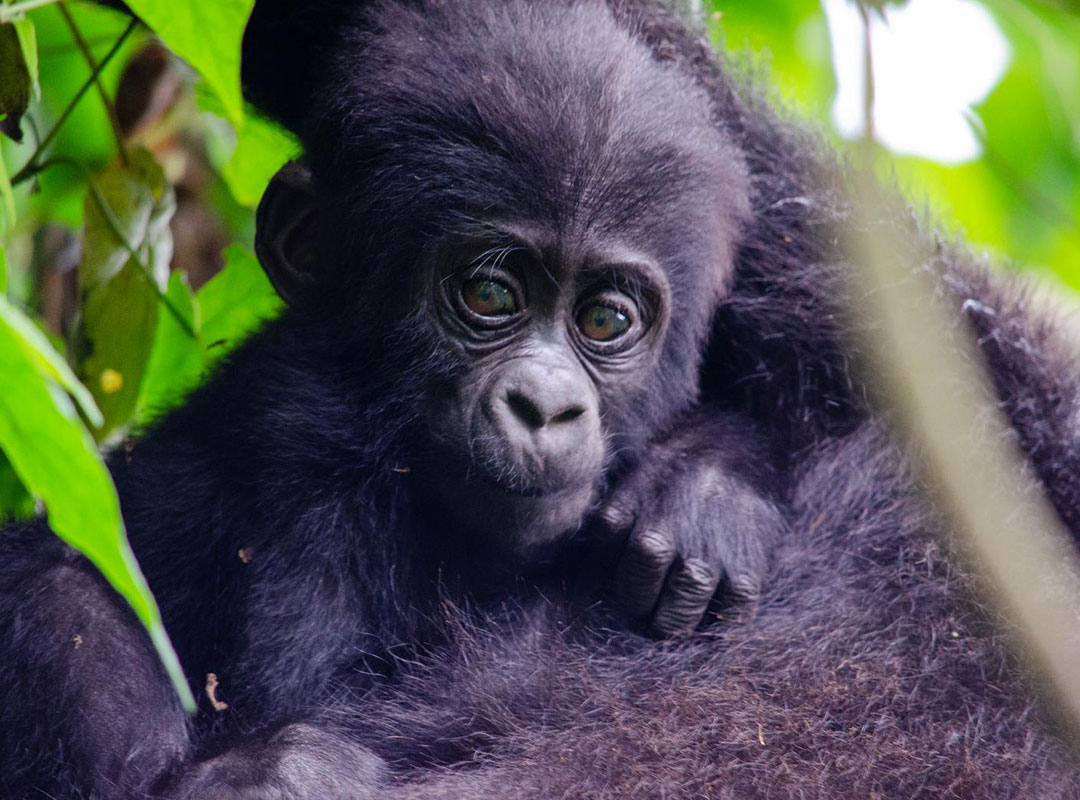
The best time for gorilla tracking in Uganda falls during the two dry seasons: June through September and December through February. Trails are more manageable, visibility improves, and the gorillas tend to stay at lower elevations where food is plentiful.
Season | Months | Trail Conditions | Permit Availability | Temperature Range |
|---|---|---|---|---|
Long dry | June–September | Firm, less muddy | Low (book 4–6 months ahead) | 12–26°C |
Short dry | December–February | Moderate | Medium (book 3–4 months ahead) | 11–27°C |
Long rains | March–May | Slippery, steep | Higher availability | 12–24°C |
Short rains | October–November | Wet but manageable | Medium | 12–25°C |
Trekking during the rainy season isn’t off the table. Permits are easier to secure, and the forest is at its most alive. But you’ll work harder for every step, and the leeches are more persistent. Your mileage may vary on whether that trade-off appeals to you.
The $800 permit is the headline number, but your total gorilla tracking costs in Kabale depend on how you structure the trip. Here’s a realistic breakdown for a 4-day gorilla and wildlife safari:
Cost Item | Approximate Range (per person) |
|---|---|
Gorilla trekking permit | $800 |
Accommodation (mid-range, 3 nights) | $150–$350 |
Private driver-guide (full trip) | $200–$400 |
Park entrance fees (other parks) | $40–$50 per park |
Porter tip | $15–$20 |
Ranger tip | $10–$20 |
Meals (3 days) | $60–$120 |
Internal flight (Entebbe to Kihihi) | $250–$350 one way |
A 4-day gorilla and Queen Elizabeth safari through Baheka Travel starts from $2,577 per person sharing, with permits, accommodation, a private driver-guide, and park fees included. That’s the kind of package where you’re not solving logistics on the ground. Everything is confirmed before you pay.
The drive from Kampala to Kabale takes about 8 to 9 hours on the road through Mbarara. An internal flight from Entebbe to Kihihi or Kisoro airstrip cuts travel time to roughly 1 hour but adds cost. If you’re combining gorilla trekking with Queen Elizabeth National Park (which sits along the route), the overland drive makes more sense because you’re seeing the country as you go.
Preparation for gorilla tracking in Kabale is practical, not complicated. But getting it wrong makes the experience harder than it needs to be.
Physical fitness: You don’t need to be an athlete, but you do need to handle 2 to 6 hours of hiking on steep, uneven terrain at altitude. Start walking hills or stairs a few weeks before your trip. The altitude around Bwindi (1,160 to 2,607 meters) can leave you short of breath faster than you’d expect.
What to wear and carry:
Long pants tucked into thick socks (protection against nettles and ants)
Waterproof hiking boots with ankle support
A rain jacket (it can rain any day of the year)
Gardening-style gloves for grabbing vegetation on steep sections
2 to 3 liters of water
Energy snacks
Insect repellent with DEET
What not to bring: Flash cameras, perfume or cologne, bright colors. The rangers will remind you, but it’s easier to pack right from the start.
One thing most guides won’t tell you: the walk back is often harder than the walk in. You’ve spent an emotional hour with the gorillas, your adrenaline drops, and suddenly those hills feel twice as steep. Pace yourself.
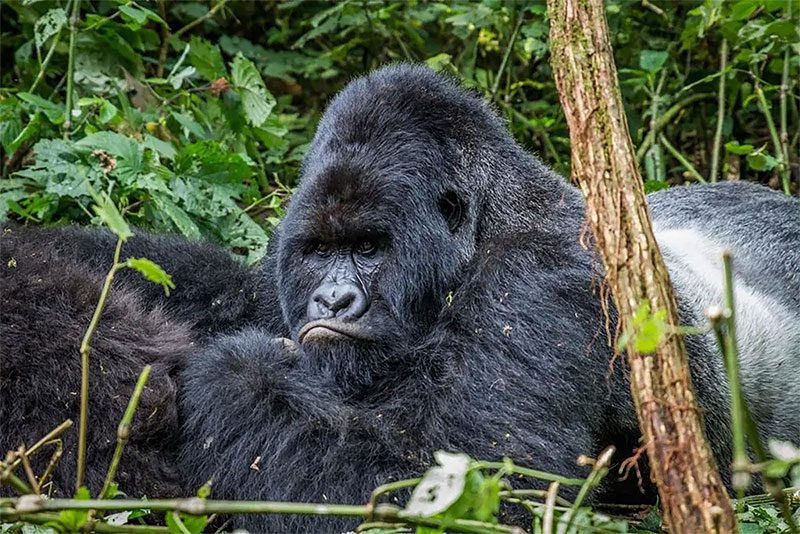
Book permits early. The Uganda Wildlife Authority releases permits on a rolling basis, and the dry-season months (July, August, December) fill fastest. Baheka Travel secures permits as part of their Uganda gorilla safari packages, so the permit is confirmed before you commit to the trip.
Choose your sector wisely. Buhoma is the most accessible and has the best accommodation options nearby. Rushaga has the most habituated families (four groups). Ruhija sits at the highest elevation and offers the chance to see both gorillas and golden monkeys. Nkuringo involves a steep descent into the valley, which means a steep climb back.
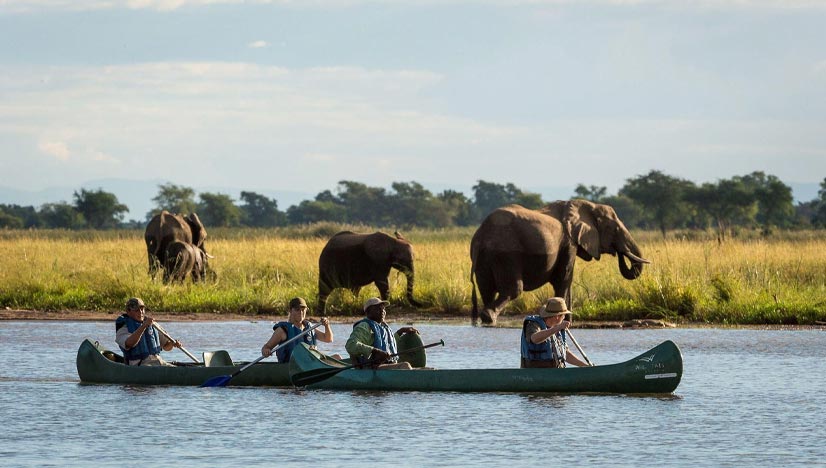
Stay an extra night in Kabale or Lake Bunyonyi. Lake Bunyonyi is about 20 minutes from Kabale town, sits at 1,962 meters, and is one of the deepest lakes in Africa. After the intensity of gorilla trekking, a night on the lake is the right kind of quiet. Canoe rides, birding along the shoreline, or just sitting on a terrace watching the water.
Consider combining with community tourism. Baheka Travel’s homestay program in Nyabushabi Village puts you in a local home where you eat, sleep, and participate in daily life: agriculture, pottery, school visits. It’s community-owned, with profits flowing directly to registered group members. That’s not a marketing line. It’s the operational structure.
A gorilla tracking safari itinerary from Kabale can range from 3 days (fly in, trek, fly out) to 18 days if you’re covering Uganda’s full wildlife circuit. The right length depends on what you want beyond the gorillas.
Short itinerary (3–4 days): Gorilla trekking in Bwindi plus a game drive in Queen Elizabeth National Park. This is the most popular format. You see gorillas, tree-climbing lions in Ishasha, and the Kazinga Channel boat cruise, all with a single driver-guide. The 5-day Bwindi and Queen Elizabeth itinerary adds an extra day for Lake Bunyonyi.
Extended itinerary (8–15 days): Add Murchison Falls National Park for Nile cruises and big game, Kibale Forest for chimpanzee tracking ($250 permit), and Mabamba Swamp for the shoebill stork. The 15-day Uganda circuit covers savannah, rainforest, primates, and big five wildlife in a single trip.
Research and volunteer-focused: The 11-day Nyabushabi Village homestay works for travelers who want community immersion alongside their wildlife experience. Permaculture, local schools, conservation project observation.
Accommodation near Bwindi ranges from budget bandas to high-end lodges, and your choice depends on which sector you’re trekking from. Most lodges are small (8 to 20 rooms) because the park limits visitor numbers.
Budget travelers can find guesthouses in Kabale town for $30 to $60 per night. Mid-range lodges near Buhoma and Rushaga run $150 to $250 per night and include meals. High-end options near Nkuringo and Buhoma reach $400 to $800 per night.
I’d recommend staying as close to your trekking sector as possible. A 7:30 AM briefing means a 5:00 or 6:00 AM departure from your lodge, and the roads around Bwindi are slow. Thirty kilometers can take 90 minutes.
Baheka Travel arranges accommodation as part of their safari packages, matched to the sector where your permit is allocated. You get a written itinerary with confirmed lodges before you pay.
Uganda’s $800 gorilla permit is half the cost of Rwanda’s $1,500 permit for the same species in Volcanoes National Park. The trekking experience in Bwindi is longer, wilder, and less manicured. You’re in dense tropical forest, not groomed volcanic slopes. The trails aren’t maintained. The canopy is thick. And the gorilla families in Bwindi are spread across a larger, more varied landscape.
That rawness is the point. It’s harder, muddier, and less predictable. But the encounter feels earned.
Baheka Travel operates as a community-owned tourism company, with safari profits supporting local members and development projects in the Kabale region. When you book a gorilla tracking safari through Baheka, the money stays local. That’s a structural fact about how the company is organized, not a feel-good add-on.
The 2026 gorilla trekking season in Kabale will follow the same permit structure, the same $800 fee, and the same limit of 8 visitors per gorilla family per day. What changes is demand. Book early, confirm your logistics before you travel, and spend at least one night near the forest before your trek to adjust to the altitude and the pace of this part of Uganda.
Gorilla tracking permits in Kabale cost $800 per person, covering one hour with a gorilla family, park entrance, and a ranger-guided trek. These permits are issued by the Uganda Wildlife Authority and should be booked 3-4 months in advance due to limited availability. You’ll be assigned a gorilla family on the trek day based on accessibility and your physical condition.
Expect a physically demanding trek, starting before dawn with a briefing at 7:30 AM. The hike can last 1 to 7 hours, depending on the gorillas’ location. You’ll experience dense forests and steep trails, often in wet conditions. Observing gorillas up close for an hour is an unforgettable experience.
Accommodation options near Bwindi range from budget guesthouses in Kabale town to mid-range lodges near Buhoma and Rushaga, and high-end lodges near Nkuringo and Buhoma. Staying close to your trekking sector is recommended for convenience. Baheka Travel includes accommodation in their safari packages.
The best time for gorilla tracking in Uganda is during the dry seasons, from June to September and December to February. Trails are less muddy, visibility improves, and gorillas are more accessible. However, permits are in high demand during these months, so early booking is essential.
Preparation includes physical fitness for hiking 2 to 6 hours in steep terrain at altitude. Wear long pants, waterproof boots, and a rain jacket. Carry water, energy snacks, and insect repellent. Avoid bright colors and flash photography. Plan for a challenging walk back after your gorilla encounter.
Add one to introduce yourself to readers and build search credibility.
 Powered by TypeHero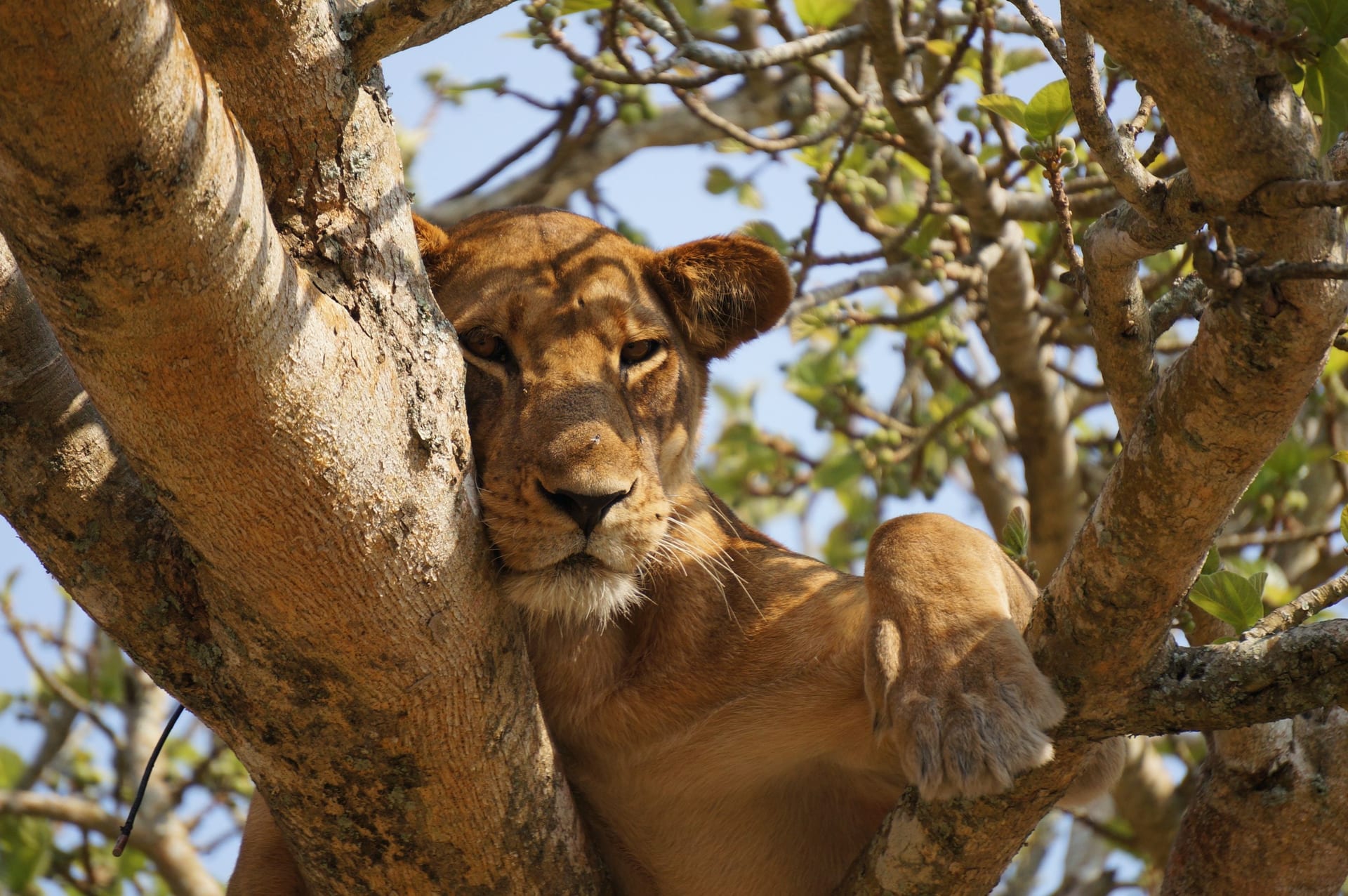
Queen Elizabeth National Park: What Every Visitor Should Know Before Going
Why Uganda Is Called the Pearl of Africa
Ecotourism in Uganda: What Community-Owned Travel Looks Like on the Ground
Community-Owned Tourism in Kabale: How Your Booking Funds Local Development
Uganda Safari Guides and Game Drive Value: What to Know for 2026
Gorilla Tracking Safaris in Kabale: What 2026 Travelers Need to Know