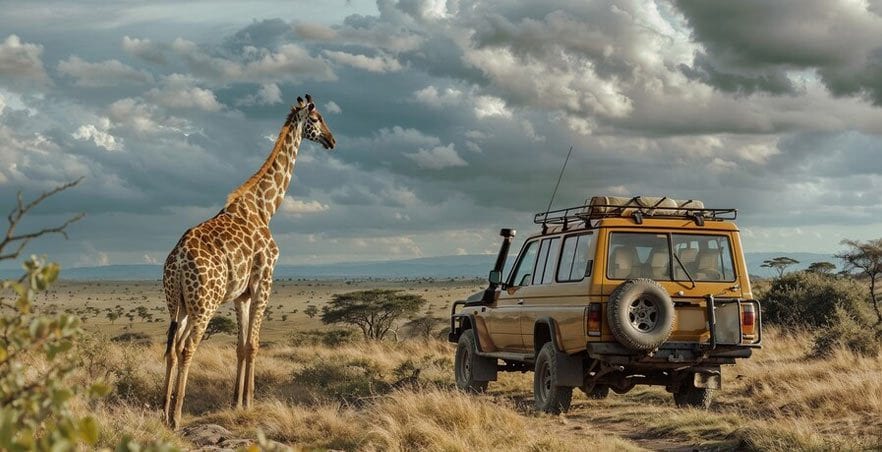
At 6:15 in the morning, somewhere along the Kasenyi Plains in Queen Elizabeth National Park, your guide cuts the engine. He’s spotted a leopard draped across a fig tree branch maybe 40 meters off the track. You wouldn’t have seen it. Most visitors don’t. The difference between a forgettable game drive and one that rewires your understanding of wild Africa comes down to one thing: who’s sitting behind the wheel and reading the landscape for you.
Uganda safari guides and the game drive value they deliver vary wildly between operators, and the gap between a good experience and a great one isn’t always about price. It’s about local knowledge, community connection, and whether the person guiding you grew up walking these trails or learned the script from a manual three months ago.
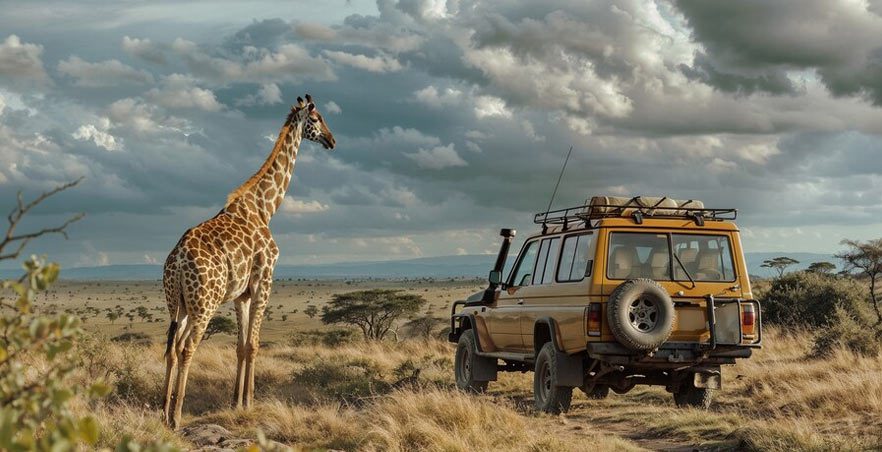
This matters more in Uganda than in most East African countries because the terrain is so varied. You’re not just scanning flat grassland. You’re navigating crater lakes, dense forest edges, papyrus swamps, and volcanic foothills, sometimes in a single day. A guide who knows where the tree-climbing lions rest in Ishasha (south sector of Queen Elizabeth National Park, about 60 kilometers from the main Mweya Peninsula) versus one who drives the standard loop makes the difference between a story you tell for years and a long, hot ride.
The strongest Uganda safari guides share a few traits that have nothing to do with certifications hanging on an office wall. They read animal behavior in real time, they know the land by season, and they carry a personal investment in the places they take you.
Community-based operators like Baheka Travel and Safaris train and employ guides who grew up in the regions surrounding Uganda’s national parks. That’s not a small detail. A guide from a village bordering Bwindi Impenetrable National Park understands the forest’s rhythms differently than someone transferred in from Kampala. They know which trails flood in April, which fruiting trees draw primates in a given week, and which elephant corridors to avoid after heavy rain. The smell of wet earth and decaying figs tells them something. It’s knowledge you can’t teach in a classroom.
The best guides also adjust. If you’re a birder, they’ll slow the vehicle near wetland edges and point out species like the African jacana or the shoebill before you’ve even raised your binoculars. If you’re traveling with children, they’ll shorten the loop and focus on the big mammals. I think this adaptability is honestly the most underrated quality in a guide, and it’s the one most brochures never mention.
Not all parks deliver the same game drive experience, and understanding the differences helps you spend your time (and money) where it counts. Here’s a direct comparison of what each major park offers on a standard morning or afternoon drive.
Park | Drive Duration | Key Species | Best Season | Terrain Type |
|---|---|---|---|---|
Queen Elizabeth National Park | 3–4 hours | Lions, leopards, elephants, hippos, buffalo | June–September, December–February | Open savanna, crater lakes, forest edge |
Murchison Falls National Park | 3–4 hours | Giraffes, elephants, lions, hartebeest | January–March, June–September | Rolling grassland, Nile riverbank |
Lake Mburo National Park | 2–3 hours | Zebras, elands, impalas, hippos | Year-round (smaller park, drier) | Acacia woodland, lakeside |
Kidepo Valley National Park | 3–5 hours | Cheetahs, ostriches, lions, jackals | December–March | Semi-arid valley, mountain backdrop |
Queen Elizabeth gets the most traffic, and for good reason. The Kasenyi Plains alone can produce sightings of four of the Big Five in a single morning drive. But if I’m being honest, Kidepo Valley (about 700 kilometers northeast of Kampala, near the South Sudan border) is where the real magic lives. Fewer vehicles. Wider horizons. And guides who know every watering hole by name because there aren’t that many.
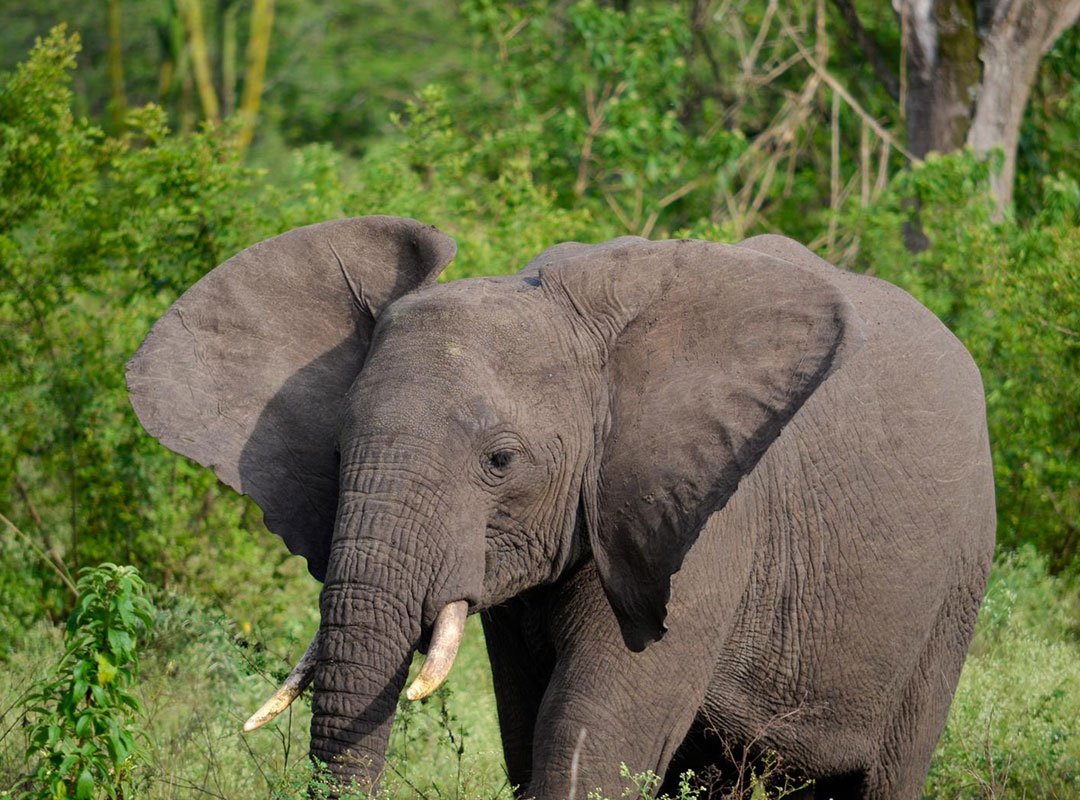
Lake Mburo is smaller and often treated as a quick stop on the way to Bwindi, but a guide who knows the park well can turn a two-hour drive into something special. The acacia woodland hides elands and zebras (the only park in southern Uganda where you’ll find them), and the lakeside tracks at dawn, when the mist sits low over the water, have a quality of light that’s hard to describe.
Here’s where things get interesting, and where most comparison articles fall short. The operator you book with determines not just logistics but the entire character of your safari.
Community-owned operators reinvest directly into the villages and families surrounding the parks. Baheka Travel and Safaris operates as a community-rooted sustainable tourism model where profits flow to registered group members and local development projects. That structure changes the guide’s relationship to the land. They’re not just employees clocking hours. They’re stakeholders.
What does that mean on a game drive? It means your guide has a personal reason to protect the ecosystem you’re driving through. It means the information they share about local wildlife corridors, poaching pressures, and conservation wins comes from lived experience, not a briefing sheet. And it means the community around the park sees direct benefit from your visit, which in turn reduces human-wildlife conflict and keeps the game drive routes productive.
I’ve seen this play out in small ways that accumulate. A guide stopping to greet a farmer whose land borders the park. The farmer mentioning he saw a leopard cross his field two nights ago. The guide adjusting the route based on that conversation. That kind of intelligence network doesn’t exist with fly-in operators who rotate staff every few months.
The single biggest mistake first-time safari visitors make is booking too many parks in too few days. Uganda is compact by African standards (about the size of the UK), but the roads between parks are slow. Kampala to Queen Elizabeth National Park takes roughly 6 hours by road. Kampala to Bwindi is 8 to 9 hours.
A well-planned itinerary gives you at least two game drives per park. Morning drives (starting around 6:30 AM) and late afternoon drives (starting around 4:00 PM) produce the best sightings because animals are active in the cooler hours. The midday heat pushes most predators into shade, and you’ll spend two hours squinting at distant shapes that could be rocks.
For a Uganda safari tour that balances game drives with other experiences, consider itineraries that pair Queen Elizabeth or Murchison Falls with gorilla trekking in Bwindi or chimpanzee tracking in Kibale Forest. The combination gives you open-savanna wildlife and deep-forest primate encounters in a single trip.
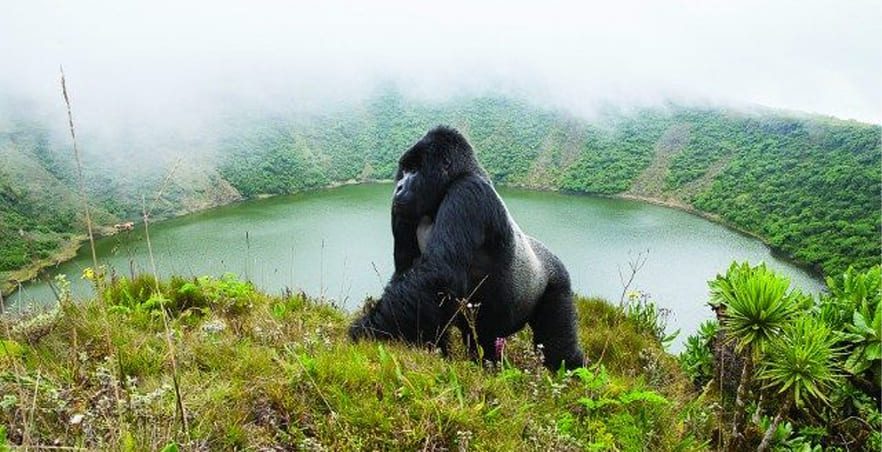
Baheka Travel’s 5-day Bwindi and Queen Elizabeth itinerary is a solid example of this pairing. Five days is tight but workable if the logistics are handled well, and the guide continuity (same guide for the full trip) means they already know your interests by day three.
Value on a safari isn’t the lowest price per day. It’s what you get for what you pay. And the variables that matter most are guide quality, vehicle condition, group size, and flexibility.
A private game drive with a knowledgeable local guide in a well-maintained 4×4 Land Cruiser with a pop-up roof costs more than a shared minibus with twelve other passengers. But the private drive produces better sightings (the guide can linger at a kill site or follow a leopard without a vote), better photographs (you control your position relative to the animal), and a better understanding of what you’re seeing.
Here’s what to look for when evaluating value:
Guide credentials: trained by Uganda Wildlife Authority, fluent in English, and from the local region
Vehicle quality: pop-up roof for photography, charging ports, cooler box, and binoculars provided
Group size: private or small group (2 to 6 people) versus large shared vehicle
Flexibility: can the guide deviate from the standard route based on real-time sightings
Inclusions: park entry fees, water, snacks, and whether the guide doubles as a birding expert
The cheapest game drive option often means a shared vehicle, a less experienced guide, and a fixed route that hits the same three spots every day. You’ll see animals. But you won’t understand them. And you won’t have the quiet, focused moments that make a safari feel like something more than a zoo with better scenery.
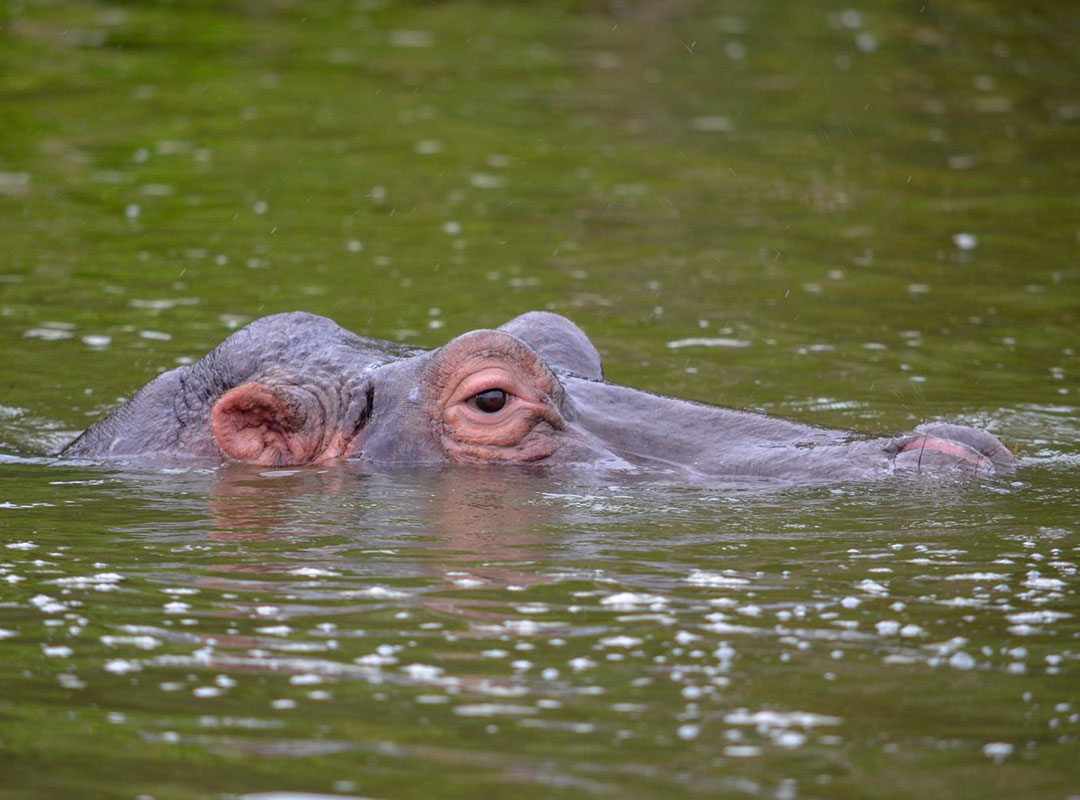
Uganda’s dry seasons (June to September and December to February) concentrate animals around water sources, which makes game drives more productive. In Queen Elizabeth National Park, the Kazinga Channel (a 32-kilometer natural waterway connecting Lake Edward and Lake George) draws elephants, buffalo, and hippos to its banks during dry months, and afternoon boat safaris along the channel regularly produce sightings of 50 or more hippos in a single stretch.
The wet seasons (March to May and October to November) bring lower prices and fewer crowds, but roads in some parks become challenging. Kidepo Valley, in particular, can be difficult to reach by road during heavy rains, though internal flights from Entebbe (about 2 hours) bypass the problem entirely.
Book your guide and vehicle at least 3 to 4 months ahead for dry season travel. The best local guides get reserved early, and if you’re combining game drives with gorilla trekking (permits for Bwindi cost $700 per person for foreign non-residents), the permit availability drives the timeline.
For travelers with more time, Baheka Travel’s 10-day Uganda safari and gorilla wildlife tour covers multiple parks and gives you enough days to absorb the landscape rather than just photograph it.
The best guides don’t clock out when the vehicle stops. They connect you to the communities, the food, the stories that surround the parks. A guide from the Bwindi region might take you to a local market where you’ll taste roasted plantains with groundnut sauce, the smell of charcoal and fresh bananas hanging in the air. Or they’ll introduce you to a homestay family in Nyabushabi village where you eat together, work the garden together, and learn something about daily life that no game drive can teach.
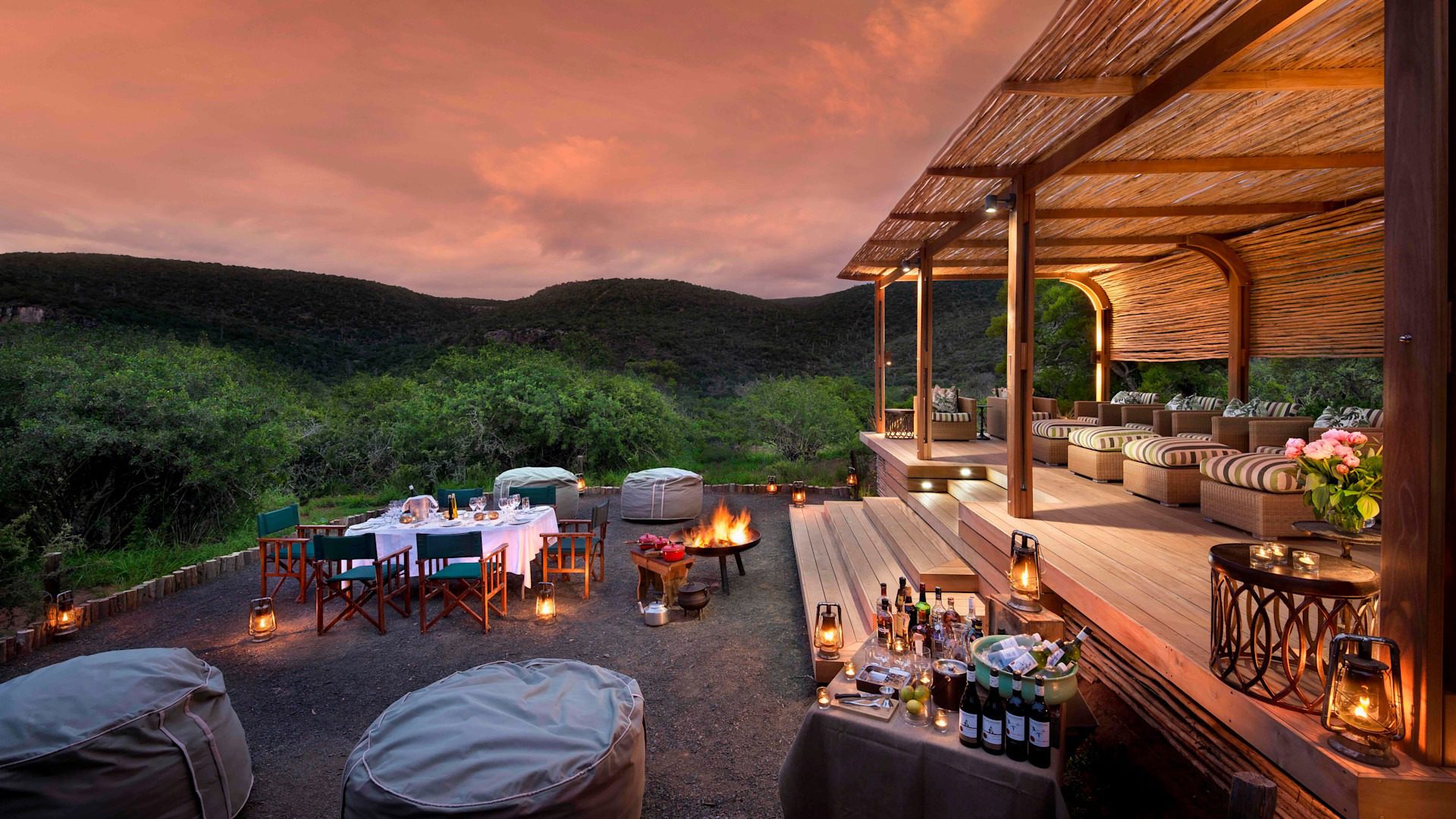
This is where the community-owned model proves its worth most clearly. Your guide isn’t just showing you wildlife. They’re showing you their home. And that changes the texture of the whole trip.
Uganda’s game drives deliver a density of wildlife encounters that rivals Kenya and Tanzania at a fraction of the visitor volume. The country’s 10 national parks span terrain from semi-arid valleys to equatorial rainforest, and the quality of your experience depends almost entirely on the guide reading that terrain for you. Community-rooted operators with locally trained guides, transparent benefit-sharing, and flexible itineraries consistently produce the deepest value, both for the traveler and the places being visited.
 Powered by TypeHero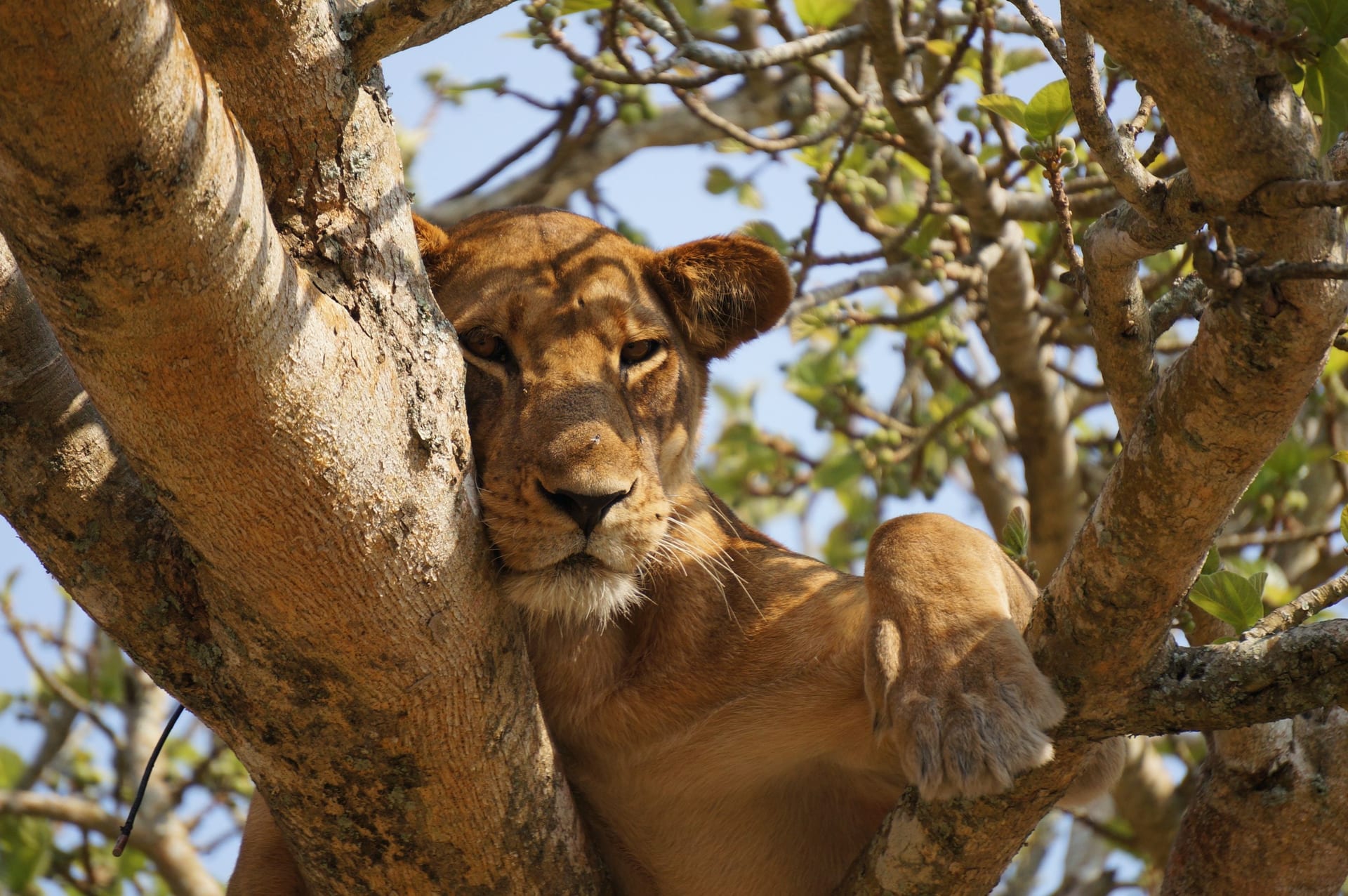
Queen Elizabeth National Park: What Every Visitor Should Know Before Going
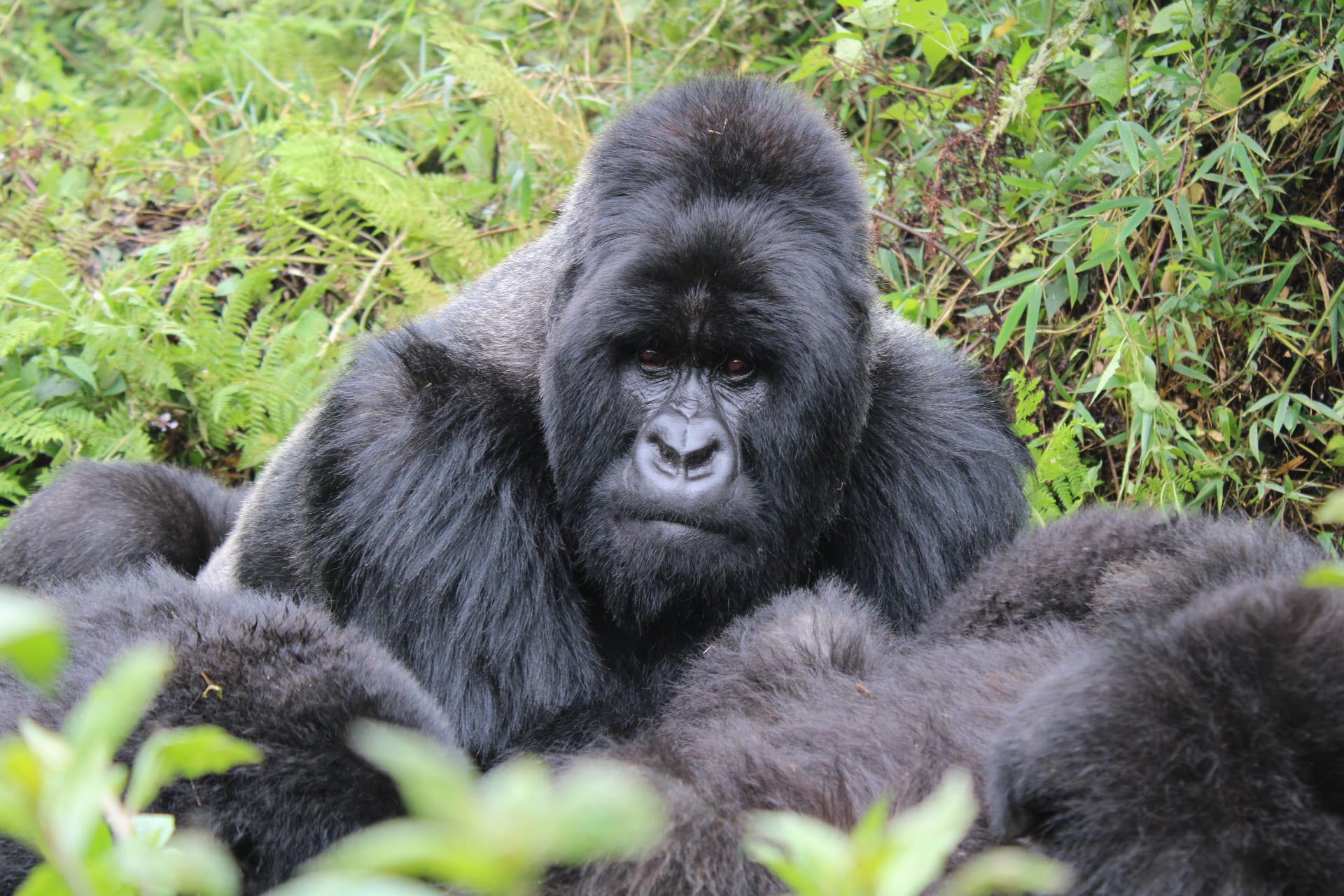
Why Uganda Is Called the Pearl of Africa
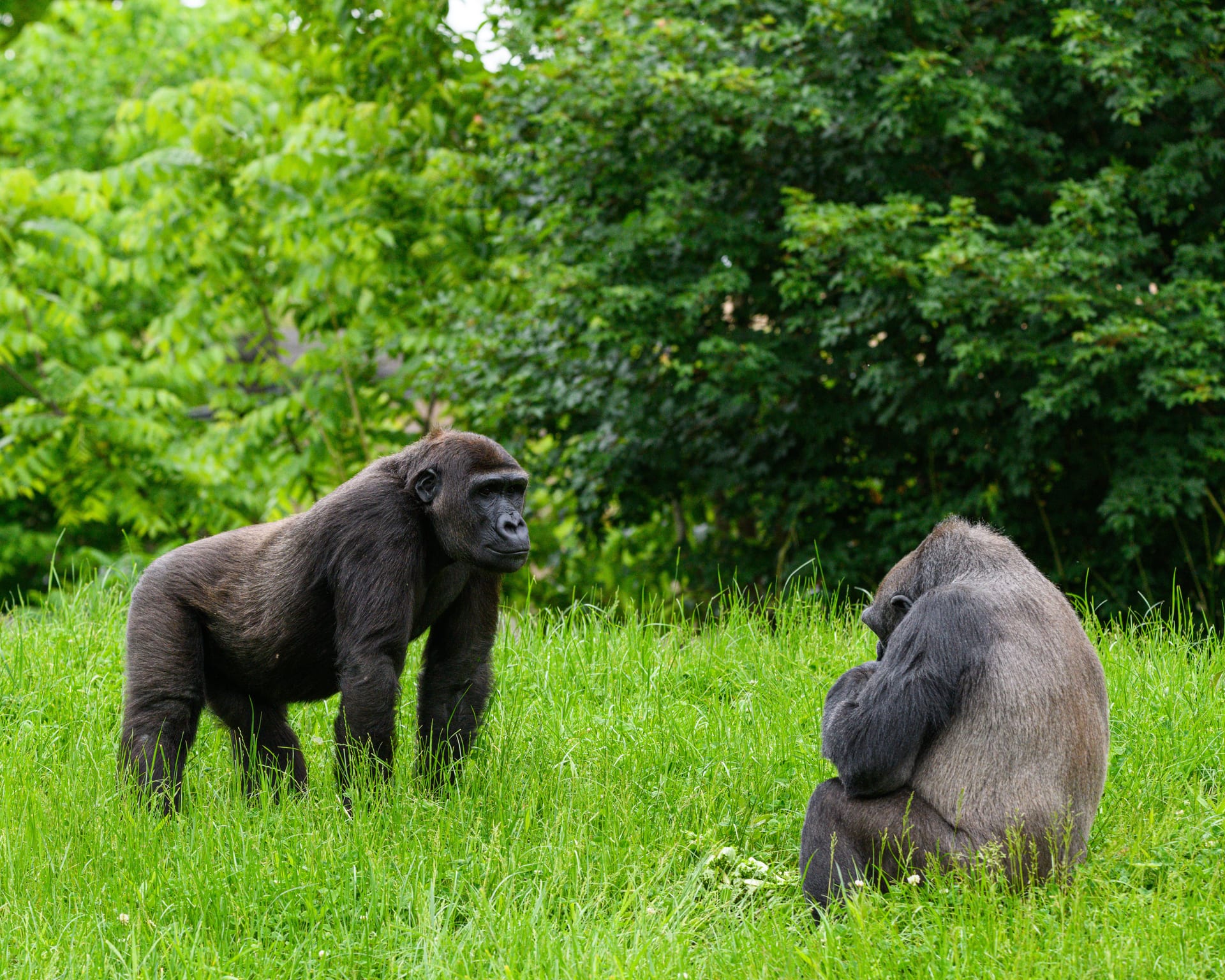
Ecotourism in Uganda: What Community-Owned Travel Looks Like on the Ground
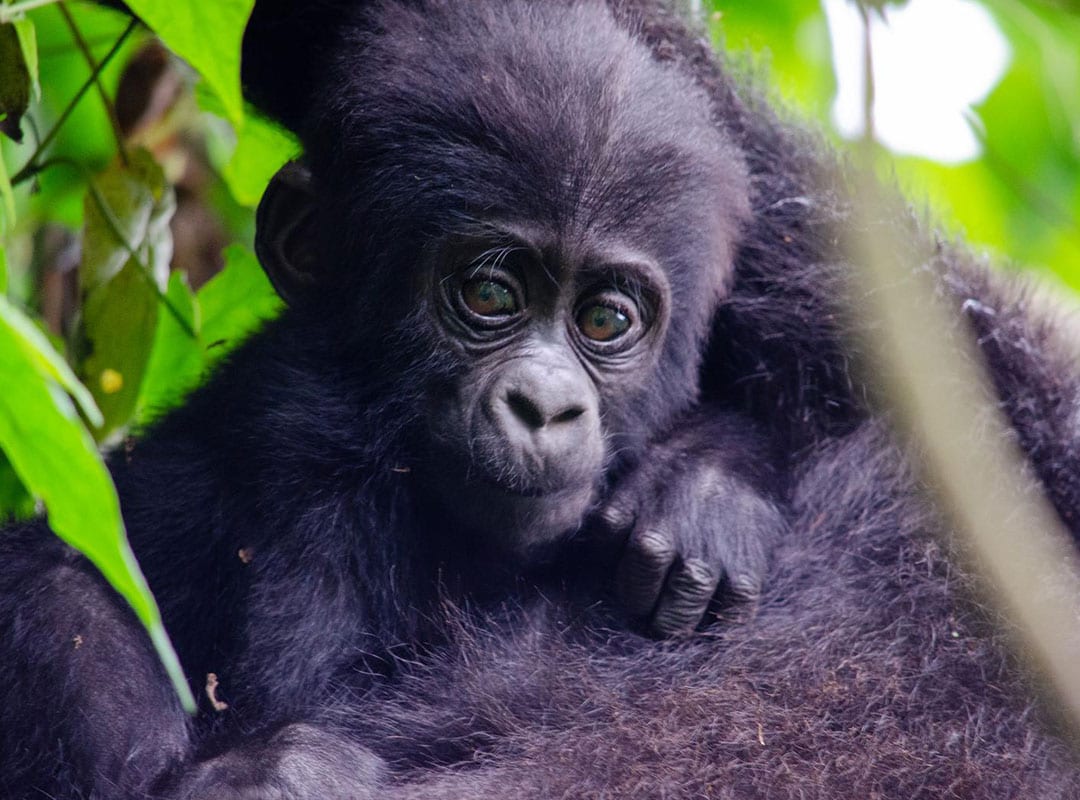
Community-Owned Tourism in Kabale: How Your Booking Funds Local Development
Uganda Safari Guides and Game Drive Value: What to Know for 2026
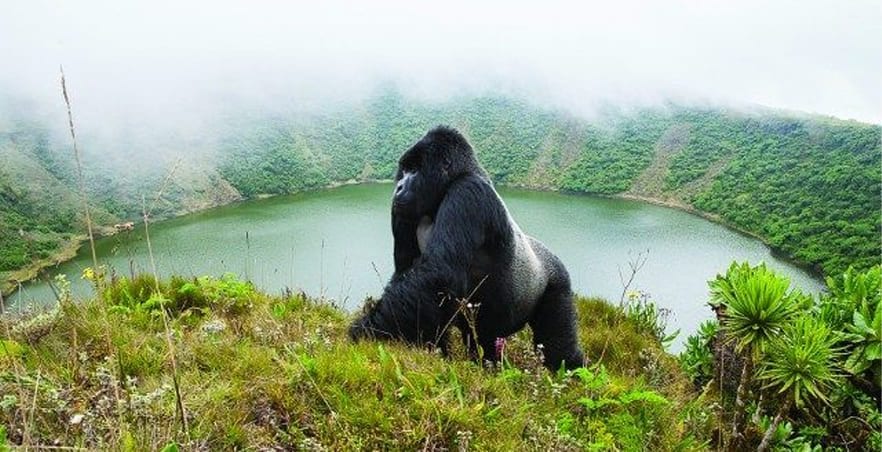
Gorilla Tracking Safaris in Kabale: What 2026 Travelers Need to Know